
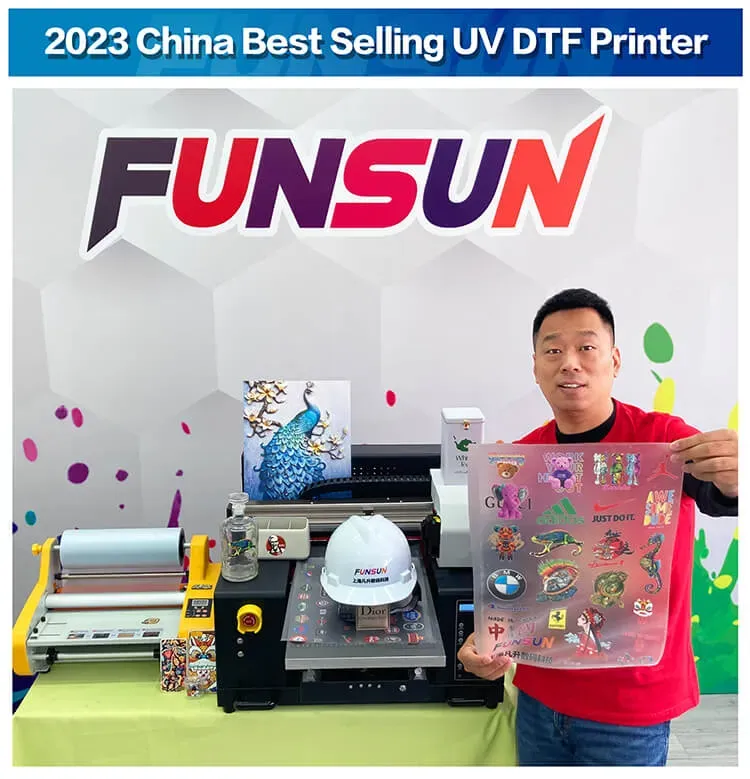
UV DTF printing, or direct-to-film printing, is revolutionizing the printing industry with its unique blend of UV printing technology and traditional techniques. This innovative method enables creators to produce stunning, textured prints on a wide range of materials, from textiles to rigid surfaces. With a strong focus on sustainable printing practices, UV DTF not only meets the demands of custom printing solutions but also significantly reduces waste compared to conventional methods. Industries seeking vibrant, durable prints that can withstand the test of time are increasingly turning to this advanced technique. By harnessing the power of UV light to cure inks, UV DTF printing emerges as the go-to choice for businesses aiming to elevate their branding and product offerings.
Exploring the world of direct-to-film (DTF) printing unveils a cutting-edge approach that integrates UV technology for extraordinary results. This modern printing solution is designed for versatility and high quality, enabling applications across various sectors including fashion and promotional products. With its eco-conscious methods and remarkable ability to create vivid and textured designs, DTF offers a compelling alternative for those in pursuit of sustainable printing options. The charm of this technology lies not only in its durability but also in the customization it provides, proving invaluable for creators looking to personalize their work. As the printing landscape evolves, techniques such as UV DTF continue to pave the way for an innovative and responsible future.
Understanding the Process of UV DTF Printing
UV DTF printing is a modern advancement in the world of printing technologies. It operates on a method known as Direct-to-Film printing, where specially formulated UV inks are used to create high-resolution designs on a transfer film. This film is printed in reverse to ensure the artwork aligns correctly when transferred to the final substrate, whether it be fabric, wood, or metal. The approach is a game-changer, especially for businesses looking to deliver personalized products with precision and vibrancy.
After the design is printed, it undergoes a UV curing process wherein it is exposed to ultraviolet light. This stage is critical as the UV light instantly cures the ink, resulting in a resilient bond to the substrate. The process not only enhances the durability of the prints, making them scratch-resistant and fade-resistant, but it also expedites production times, allowing businesses to meet consumer demands swiftly and efficiently.
Benefits of UV DTF Printing over Traditional Methods
One of the main advantages of UV DTF printing is its versatility. Unlike traditional printing methods, which are often limited to certain types of materials, UV DTF can be applied to a wide array of substrates. This includes both soft and rigid items, streamlining the production processes across various industries. Businesses can now produce high-quality, textured prints on textiles, metals, plastics, and even glass, making it an invaluable addition to custom printing solutions.
Moreover, the sustainability aspect of UV DTF printing cannot be overlooked. Traditional printing techniques frequently employ solvent-based inks that can be harmful to the environment. In contrast, UV DTF utilizes swift-curing methods that reduce waste and harmful emissions, aligning with eco-friendly practices. This sets a positive precedent in the industry, encouraging more businesses to adopt sustainable printing solutions, thereby appealing to environmentally-conscious consumers.
Latest Innovations in UV DTF Technology
The UV DTF printing landscape has seen rapid innovation over recent years, including the introduction of compact and efficient printers designed for both personal and professional use. For instance, the EufyMake UV Printer E1 has transformed the market by providing accessible machinery to enthusiasts and small business owners alike. This printer supports the creation of dynamic and textured designs that can elevate product offerings to new heights, all while maintaining a competitive price point.
These innovations are not just limited to hardware advancements; software and ink formulas have also improved, allowing for sharper, more vivid prints. With advancements in UV printing technology, businesses can experiment with creative designs that previously may have seemed impossible. This evolution not only enhances the quality of the products but also expands the boundaries of creativity in custom printing, leading to unique applications across various sectors.
The Expanding Applications of UV DTF Printing
UV DTF printing has found its place in numerous applications, notably in the fashion and apparel industry. The technology allows brands to produce custom designs on a variety of garments and accessories, catering to the rising demand for personalized fashion items. From t-shirts to tote bags, the vibrant and durable prints generated by UV DTF not only resonate with individual consumers but also help brands stand out in a crowded marketplace.
In addition to clothing, UV DTF has opened doors in the realm of promotional products. Businesses utilize this versatile printing method to create unique merchandise that reflects their brand identity. Whether it’s for corporate giveaways or personalized gifts, the ability to produce high-quality prints swiftly accommodates the ever-growing need for customization. Furthermore, home decor items, including wall art and decorative pieces, are increasingly utilizing UV DTF technology, adding to its list of innovative applications.
Market Trends Influencing UV DTF Adoption
As UV DTF technology continues to gain popularity, several market trends are driving its adoption. A notable trend is the consumer shift towards simplicity and ease of use when it comes to printing solutions. Many businesses and individuals are seeking compact printers that can facilitate creative endeavors without the complexities traditionally associated with professional printing equipment. This demand opens up new opportunities for entrepreneurs interested in joining the growing DIY culture.
Additionally, there is an increasing emphasis on personalization among consumers. As consumers become more engaged with products that reflect their uniqueness, UV DTF printing fills this niche perfectly by allowing for vivid, customized designs. This trend signals a burgeoning sector that not only caters to individual tastes but also empowers users to express themselves through their purchases, further solidifying UV DTF’s place in the market.
The Future of UV DTF Printing Technology
The future of UV DTF printing appears to be bright, with continuous advancements poised to revolutionize the industry further. Innovations in UV printing technology are making it more affordable and accessible, allowing small businesses to enter the printing market with high-quality solutions that were previously only available to larger corporations. As technology improves, the applications will expand, leading to even more creative possibilities for designers and brand owners.
Moreover, the commitment to sustainability within the UV DTF sector is likely to attract attention from environmentally-conscious businesses and consumers. As printing practices evolve towards greener technologies, UV DTF will likely be at the forefront, pushing other methods towards similar eco-friendly initiatives. This alignment with modern consumer values ensures that UV DTF will not only endure but thrive within the competitive printing landscape of the future.
Frequently Asked Questions
What is UV DTF printing and how does it differ from traditional printing methods?
UV DTF printing, or Direct-to-Film printing, is a modern printing technology that utilizes ultraviolet (UV) curing methods to produce vibrant, high-quality prints on various substrates. Unlike traditional printing methods, UV DTF doesn’t rely on solvent-based inks, allowing for faster drying times and superior adhesion, making it suitable for diverse materials including textiles and rigid surfaces.
What are the benefits of using UV DTF printing in custom printing solutions?
UV DTF printing offers several advantages in custom printing solutions, including vibrant color reproduction, excellent durability, and resistance to fading and scratching. The ability to print on a wide range of materials enhances versatility, making it ideal for creative applications in fashion, promotional products, and home decor.
Is UV DTF printing considered a sustainable printing technology?
Yes, UV DTF printing is recognized for its sustainability. By using UV light to cure inks, it reduces the environmental impact associated with solvent emissions typical of traditional printing methods. Furthermore, advancements in UV DTF technology emphasize waste reduction and eco-friendly practices in the printing process.
What types of surfaces can benefit from UV DTF printing technology?
UV DTF printing technology can be applied to a wide range of surfaces including textiles, metals, wood, glass, and plastics. This versatility allows for textured prints and unique designs across various industries, appealing to both commercial and individual users seeking personalized products.
How has UV DTF printing advanced personalization in the printing industry?
UV DTF printing has revolutionized personalization in the printing industry by enabling users to create vibrant, custom designs on demand. This technology supports DIY culture and caters to the rising consumer appetite for unique products, making it easier for businesses to offer tailored merchandise and promotional items.
What are the latest innovations in UV DTF technology and their applications?
Recent innovations in UV DTF technology include the launch of compact printers like the **EufyMake UV Printer E1**, which facilitate easy printing on various surfaces. These advancements allow for textured prints that cater to both hobbyists and small businesses, enhancing capabilities in fashion, promotional products, and interior design applications.
| Key Points | Description |
|---|---|
| What is UV DTF Printing? | A printing technique combining digital printing and UV curing for enhanced durability and quality. |
| How does it work? | Prints UV inks on transfer film, cures with UV light, and transfers to substrate using heat and pressure. |
| Advantages | Versatility, durability, and eco-friendliness make UV DTF suitable for various surfaces and applications. |
| Recent Innovations | Compact printers like the EufyMake UV Printer E1 have made this technology accessible to hobbyists and small businesses. |
| Market Trends | Growing demand for personalization and simplification of printing processes is shaping the market. |
| Applications | Used in fashion, promotional products, and home decor, allowing for unique, personalized designs. |
Summary
UV DTF printing is revolutionizing the way we approach printing technology by offering unmatched versatility and durability in designs. This innovative process not only allows for high-quality prints across a range of materials but also underscores the importance of sustainability in modern production practices. As industries continue to embrace UV DTF printing, its impact will be felt across fashion, advertising, and home decor, transforming how brands engage with their audiences. Businesses looking to elevate their offerings should consider integrating UV DTF into their production workflows, providing unique solutions that meet consumer demand for customization and eco-friendliness.