
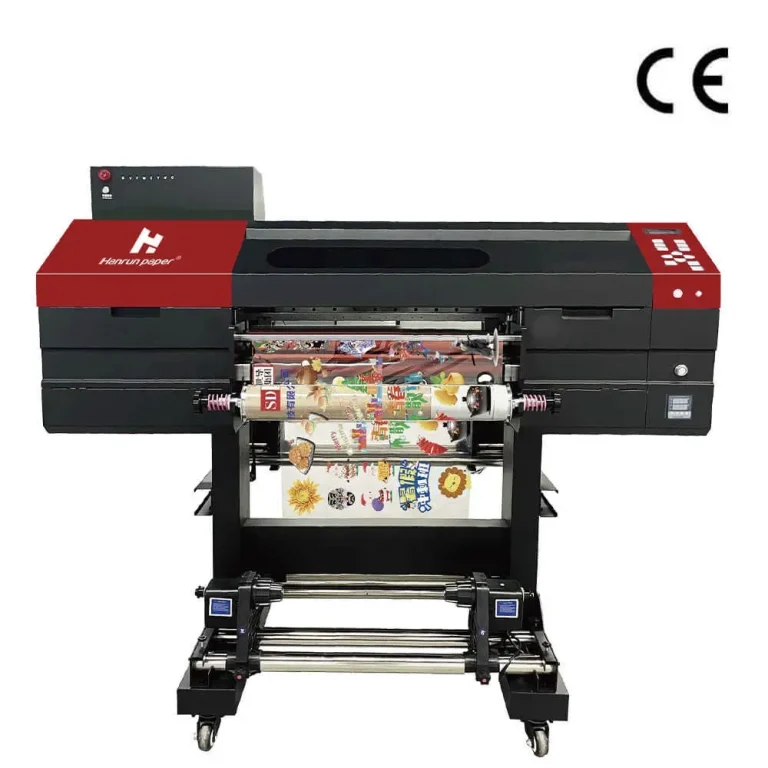
UV DTF printing, or Direct-To-Film printing, represents a revolutionary advance in the world of printing technologies. This innovative technique combines the precision of UV printing with the flexibility of DTF transfer methods, allowing users to achieve vibrant images on a diverse range of substrates, including textiles and metals. As the demand for quality print finishes grows, mastering UV DTF techniques is essential for both beginners and seasoned professionals in the industry. The UV printing process ensures superior durability and stunning detail that truly brings designs to life. This guide will take you through the fundamental principles of UV DTF printing, providing you with the knowledge needed to excel in this exciting field.
Direct-To-Film printing has emerged as a game-changer in modern printing techniques, seamlessly merging the realms of garment decoration and visual creativity. This method utilizes a unique printing process that involves transferring high-resolution images onto various materials, making it an ideal choice for those seeking versatility and quality. With the advancement of UV print techniques, users can now enjoy enhanced durability and color vibrancy, making their printed designs stand out. As more printers explore mastering UV DTF, it’s crucial to understand the underlying processes and optimum practices that yield professional results. Join us as we delve deeper into the intricacies of DTF transfer methods and unlock the potential of this exciting printing approach.
Understanding the Basics of UV DTF Printing
UV DTF printing is a modern technique that leverages the strengths of both Direct-To-Garment (DTG) and UV printing technologies. It enables high-quality prints directly onto transfer films, which can then be applied to a wide array of surfaces such as cotton, glass, and metal. With its ability to produce vibrant and detailed images, UV DTF printing stands out as an innovative method that caters to the diverse needs of creators across various industries.
For beginners, comprehending the fundamental principles of UV DTF printing is essential. This method not only emphasizes superior quality but also offers incredible versatility, allowing users to experiment with different materials and printing techniques. By adopting this printing method, individuals can unleash their creativity and produce stunning designs that capture attention.
Key Advantages of UV DTF Printing
One of the primary advantages of UV DTF printing is its unmatched versatility. Unlike traditional printing methods which may be limited to specific substrates, UV DTF can be used on almost any material. This means that artists and designers can print on textiles, plastics, metals, and more, significantly broadening their creative capability.
In addition to versatility, UV DTF printing also excels in producing high-definition, durable prints. The UV inks used in this process cure immediately under a UV light, creating a strong bond with the substrate. This results in prints that are resilient against fading, scratching, and environmental wear, enhancing the overall longevity of the designs.
The Importance of Preparation in UV DTF Printing
Preparation is a crucial step in the UV DTF printing process that can significantly affect the final outcome. Ensuring that the substrates are clean and free from dust or oils is essential for achieving optimal adhesion of the inks. This preliminary step may seem minor but plays a pivotal role in the quality of the print.
Selecting the right transfer film is equally essential in achieving successful results with UV DTF printing. Different films may possess various properties that affect the print’s vibrancy and durability. By choosing the suitable film based on the intended application, beginners will find that their prints come out more refined and professional.
Navigating the UV DTF Printing Process
The printing process in UV DTF is vital and involves configuring your printer settings for various materials. Beginners must understand how to adjust the resolution and ink saturation based on the specific substrate they are using. This attention to detail in the printing phase can make a huge difference in the clarity and color richness of the final product.
Color management is another significant aspect of the UV DTF printing process. By using the correct color profiles, printers can ensure that the colors on the digital design convert accurately to the physical print. Discrepancies in color can be detrimental, especially in competitive environments where color accuracy is vital.
The Curing Process: Essential for Stunning Prints
Curing is an essential phase in the UV DTF printing process, as it solidifies the printed ink on the film. The use of UV light ensures that the inks cure quickly, forming a durable layer that adheres firmly to various substrates. This rapid curing process is not only efficient but also critical for delivering high-quality prints that withstand wear and tear.
However, monitoring the curing times and intensities is crucial. Beginners might need to experiment with different settings to find the perfect balance for their specific printing materials. Under-curing can lead to poor adhesion, while over-curing can cause colors to degrade and lose their vibrancy, underscoring the importance of gaining familiarity with this step.
Post-Processing Techniques for Enhanced Print Quality
After the UV DTF printing and curing processes, post-processing techniques can further enhance the quality of the final product. Trimming the printed films to the desired shape and size can not only improve aesthetics but also streamline the application process, making the end product look more polished.
Additionally, applying a laminate can protect the print and give it a professional finish. Laminates serve as a barrier against scratches and environmental factors, ensuring that your designs maintain their initial brilliance over time. Such finishing techniques are highly recommended for anyone looking to improve their UV DTF prints.
Frequently Asked Questions
What is the UV DTF printing process and how does it work?
The UV DTF printing process combines Direct-To-Film (DTF) methods with UV technology to produce high-quality prints on various surfaces. This technique involves printing designs on a specialized film with UV inks, which are then cured using UV light. The finished film can be transferred to materials like textiles and metals, resulting in vibrant, durable prints.
What are the advantages of using UV DTF printing over traditional methods?
UV DTF printing offers several advantages including versatility in material application, high-resolution output, and enhanced durability. Unlike traditional methods, UV DTF prints resist fading and scratching, making them ideal for both indoor and outdoor use. Additionally, the UV printing process allows for quicker curing times, leading to faster production.
How do I prepare for a UV DTF printing project?
To prepare for a UV DTF printing project, ensure that your substrates are clean and free of dust or oils. Selecting the right transfer film compatible with your UV DTF printer is crucial for optimal results. Proper preparation helps achieve high-quality prints and prevent issues during the printing process.
What settings should I adjust on my printer for UV DTF printing?
When using UV DTF printing, it’s important to adjust settings based on the substrate type you are printing on. Check the resolution, ink saturation, and color management settings to ensure that colors are accurately represented in the final output. These adjustments enhance print quality and consistency.
How does curing work in the UV DTF printing process?
Curing in the UV DTF printing process involves using UV light to harden the printed inks on the transfer film. Proper curing is vital; it creates a strong bond between the ink and the substrate. Monitoring curing times and intensities is important to avoid issues like poor adhesion or color degradation.
Where can I learn more about mastering UV DTF printing techniques?
To master UV DTF printing techniques, consider utilizing resources such as online tutorials, video platforms like YouTube, and comprehensive courses on websites like Udemy. Engaging with printing communities online can also provide valuable insights, tips, and troubleshooting advice from fellow UV DTF enthusiasts.
| Key Points of UV DTF Printing | |
|---|---|
| Definition | A method combining elements of Direct-to-Garment and UV printing, allowing prints on films for transferring to various surfaces. |
| Key Features | 1. Versatility – Prints on fabrics, glass, metal, etc. 2. Quality – High-resolution and vibrant results. 3. Durability – Resistant to fading and wear. 4. Ease of Use – User-friendly interfaces for beginners. |
| Techniques | 1. Preparation – Clean surfaces and choose the right film. 2. Printing – Adjust settings for material, manage colors. 3. Curing – Use UV light for optimal adhesion. 4. Post-Processing – Trim and laminate for finishing touches. 5. Continued Learning – Engage with tutorials and community. |
Summary
UV DTF Printing is a revolutionary technique in the printing industry that allows for the creation of vibrant and durable prints across a range of materials. It combines the advantages of Direct-to-Garment and UV printing to deliver exceptional quality results. For beginners looking to master this method, understanding key features such as versatility, quality, durability, and user-friendliness is essential. Furthermore, mastering techniques in preparation, printing, curing, post-processing, and continued learning can significantly enhance your skills and creativity. As you explore the possibilities of UV DTF Printing, embrace the journey of experimentation and continuous improvement to unlock opportunities in your creative projects.