
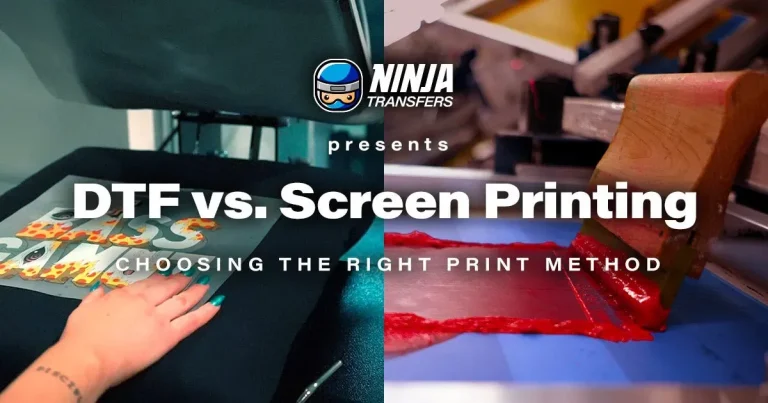
In the evolving realm of apparel customization, the debate between DTF Transfers vs Screen Printing has captured the industry’s attention. As businesses seek innovative solutions for custom printing methods, understanding the advantages and disadvantages of each approach becomes vital. DTF Transfers offer distinct benefits, particularly in high-resolution prints and adaptability to various fabrics. On the other hand, screen printing boasts a long-standing reputation for durability and vibrant colors, making it a go-to choice for bulk orders. This article will delve into the key differences between these printing technologies, enabling you to make an informed decision that aligns with your business goals.
When considering personalized apparel or promotional items, the choice between Direct-to-Film Transfers and traditional screen printing techniques is paramount. These distinct printing technologies are tailored to cater to diverse customization needs, each offering unique benefits. While DTF printing is celebrated for its quick turnaround and detail-oriented output, screen printing is known for robust, colorful designs that thrive with large production runs. Exploring these options not only highlights current printing technology trends but also underscores the evolving landscape of custom apparel creation. This guide aims to provide clarity on these methods, empowering businesses to select the optimal approach for their printing endeavors.
Exploring DTF Transfers in Apparel Customization
DTF Transfers have emerged as a game-changing solution in the realm of apparel customization. As this technology evolves, businesses are recognizing its potential to produce high-quality prints quickly and efficiently. Unlike traditional printing methods, DTF utilizes a unique film transfer process, enabling vibrant colors and detailed designs to be printed directly onto garments. This method is particularly advantageous for smaller businesses that require diversity in their product offerings while maintaining profitability. Furthermore, the DTF printing method is ideal for those seeking to produce intricate designs that demand a high level of detail, such as logos and artistic prints.
Additionally, DTF Transfers cater to a broad range of materials, including cotton, polyester, and even blends, making it a versatile choice for businesses looking to expand their customization options. The ability to use a variety of fabrics allows for greater innovation in design, attracting a diverse customer base. Alongside the quality it offers, DTF technology is constantly evolving with trends in printing technology; advancements in sustainable inks and eco-friendly practices are making it an appealing choice for socially conscious businesses. As a result, DTF Transfers not only enhance customization capabilities but also position brands favorably within environmentally aware consumer markets.
The Benefits of Screen Printing in Custom Printing Methods
Screen Printing remains a time-tested method in the apparel industry, offering unique benefits that cannot be overlooked. Known for its ability to produce bold colors and superior durability, Screen Printing is the preferred choice for businesses focused on bulk production. Upon preparing the screens, this method allows for quick turnaround times on large orders, making it an economical solution for companies aiming to maximize efficiency while minimizing production costs. Additionally, the quality of Screen Printed designs is exemplary, with inks that bond effectively with fabric fibers, ensuring prints withstand numerous washes without significant fading or deterioration.
Moreover, Screen Printing provides brands with the opportunity to achieve vibrant colors and textures that can enhance the visual appeal of apparel. This method is particularly advantageous in campaigns where strong, eye-catching designs are essential to capturing consumer interest. Beyond just aesthetics, the durability of Screen Printing ensures that products maintain their quality over time, which helps reinforce brand loyalty among customers. As industries increasingly focus on high-quality outputs, Screen Printing continues to hold its ground as a reliable and effective choice for custom printing needs.
Comparing DTF Transfers vs Screen Printing Costs
When examining the cost-effectiveness of DTF Transfers versus Screen Printing, several factors must be considered to determine the most suitable method for different business sizes and needs. While the initial investment for DTF Transfers might be higher due to specialized equipment and inks, it becomes incredibly appealing for small runs or unique orders. DTF’s flexibility allows businesses to operate with lower overheads as extensive setups are often unnecessary, making it an excellent choice for those frequently catering to custom requests.
In contrast, Screen Printing can pose higher setup costs, especially for multi-colored designs that require multiple screens. However, for larger production runs, the per-unit cost diminishes significantly, offering economies of scale that benefit larger businesses. This aspect makes Screen Printing particularly attractive for apparel brands generating high volumes of identical products. Ultimately, weighing the initial versus long-term costs will guide businesses to select the most cost-efficient printing method that aligns with their operational goals.
Production Speed: DTF Transfers vs Screen Printing
The speed of production is a critical factor in the printing industry, particularly for businesses that rely on swift delivery to meet customer demands. DTF Transfers excel in this area, allowing for rapid turnaround times, especially for smaller jobs. This technique requires minimal setup, which means businesses can print designs on-demand with ease, an essential capability when responding to last-minute orders or changing customer preferences. The ability to fulfill requests quickly without sacrificing quality makes DTF a favorable option for many personalization and custom printing services.
On the other hand, although Screen Printing may initially slow down production due to its setup requirements, it becomes a powerful choice for bulk orders. Once the screens are established, the printing process can be incredibly efficient, particularly when streamlined through organized workflows. This capability allows businesses focused on large-scale orders to benefit from faster output times in the long run. Thus, the context of production speed must also be aligned with the order volume to determine which printing method is most conducive for specific business operations.
Enhancing Durability and Longevity with Printing Methods
Durability is a fundamental aspect that often influences the choice between DTF Transfers and Screen Printing. Historically, DTF Transfers faced criticism regarding their longevity, particularly concerning fading over time. However, recent advancements in printing technology have improved this aspect considerably, resulting in prints that, with proper care, can hold up remarkably well through numerous washes. Businesses can effectively utilize DTF Transfers for detailed designs while still achieving lasting quality, aligning with evolving consumer expectations for durable apparel.
Conversely, Screen Printing is celebrated for its exceptional durability, with inks that deeply bond with the fabric, ensuring resistance to fading and wear. This robust nature allows Screen Printed goods to withstand repeated use without compromising the design’s quality. Brands focused on creating long-lasting products can confidently choose Screen Printing, particularly for items that are expected to endure heavy wear. Ultimately, businesses must consider their target market’s propensity for durability and wearability when selecting their preferred printing method.
The Versatility of DTF Transfers and Screen Printing Applications
Versatile application is another compelling characteristic that differentiates DTF Transfers from Screen Printing. One of the standout benefits of DTF Transfers is their ability to print on a diverse range of fabrics, including cotton, polyester, and various blends. This adaptability allows businesses to cater to various customer needs and preferences, expanding their product offerings significantly. The versatility in material compatibility promotes innovation in custom printing, enabling brands to experiment with unique textures and styles that appeal to a broad consumer base.
In comparison, while Screen Printing is effective on typical fabrics like cotton and polyester, it can struggle with more complex materials unless specific inks are implemented. Businesses focusing on broadening their fabric utilization may find DTF Transfers to be a more suitable option, as it offers greater flexibility in material choice and potential design applications. As fashion trends evolve, the printing method’s adaptability can significantly impact a brand’s ability to stay relevant in the dynamic landscape of apparel customization.
Frequently Asked Questions
What are the main differences between DTF Transfers and Screen Printing in apparel customization?
DTF Transfers and Screen Printing are two popular custom printing methods with distinct differences. DTF Transfers excel in producing high-resolution prints suitable for intricate designs and vibrant colors, while Screen Printing is known for its durability and bold colors. DTF is more versatile across various fabrics, making it ideal for personalized orders, whereas Screen Printing becomes cost-effective for bulk production.
What are the durability advantages of Screen Printing compared to DTF Transfers?
Screen Printing is renowned for its durability as the inks bond deeply with fabric fibers, ensuring resistance to fading and wear over time. In contrast, DTF Transfers have improved in durability but may require specific care and material compatibility to stand the test of time. Thus, for items expected to endure heavy use, Screen Printing may offer superior longevity.
Are DTF Transfers a better option for small custom orders versus Screen Printing?
Yes, DTF Transfers are generally a better choice for small custom orders due to their minimal setup costs and faster turnaround times. This method allows businesses to efficiently cater to personalized demands without the extensive preparation needed for Screen Printing, making it ideal for on-demand printing.
How does the cost efficiency of DTF Transfers compare to Screen Printing for larger orders?
While DTF Transfers may have higher initial costs due to specialized inks and film, Screen Printing becomes more cost-effective for larger orders due to lower per-unit costs once set up. Thus, businesses focused on bulk production may find Screen Printing offers significant savings.
What are the application versatility differences between DTF Transfers and Screen Printing?
DTF Transfers provide exceptional application versatility, allowing printing on a wide range of materials, including cotton and polyester blends. Screen Printing, although effective on similar fabrics, may struggle with certain synthetics unless special inks are utilized, making DTF a preferred choice for diverse fabric applications.
How do environmental concerns differ between DTF Transfers and Screen Printing?
Both DTF Transfers and Screen Printing are evolving towards eco-friendliness, with DTF manufacturers developing inks with lower environmental impact. Screen Printing is also adopting water-based inks and sustainable practices. When choosing a method, it’s essential to consider the supplier’s environmental policies to support sustainable printing solutions.
| Key Points | DTF Transfers | Screen Printing |
|---|---|---|
| Quality and Detail | High-resolution prints with vibrant colors and intricate details, ideal for complex designs. | Bold, vivid colors, durable finish, but less effective for highly detailed prints due to separate screens for each color. |
| Cost Efficiency | Higher initial investment but cost-effective for small runs without extensive setups. | Higher initial setup costs but cost-effective for larger orders due to decreased per-unit costs. |
| Speed of Production | Faster turnaround times for smaller jobs, ideal for on-demand printing. | Initial production may be slower due to setup time, but becomes faster for large quantities. |
| Durability and Longevity | Improvements in technology have enhanced durability, but requires specific care for longevity. | Highly durable with inks bonding deeply to fibers; known for its robustness. |
| Application Versatility | Can print on a variety of materials including cotton, polyester, and blends. | Works best on cotton and polyester; less effective on synthetic fabrics without special inks. |
| Environmental Concerns | Advancements towards eco-friendly inks and sustainable practices. | Moving towards greener solutions with water-based inks and sustainable practices. |
| Recent Market Trends | Increasing adoption in small businesses due to cost reduction and adaptability. | Continues to be popular for bulk production despite the rise of digital technologies. |
Summary
DTF Transfers vs Screen Printing represent two prominent techniques in the world of apparel customization, each with distinct advantages and challenges. When choosing the right approach for your business, it’s essential to consider factors like print quality, costs, speed, durability, versatility, and environmental impact. DTF methods prove ideal for intricate and personalized designs with their vibrant prints and flexibility, while Screen Printing remains a staple for bulk orders due to its robustness and cost-effectiveness. Ultimately, understanding these differences will empower you to align your printing strategy with your business objectives effectively.