
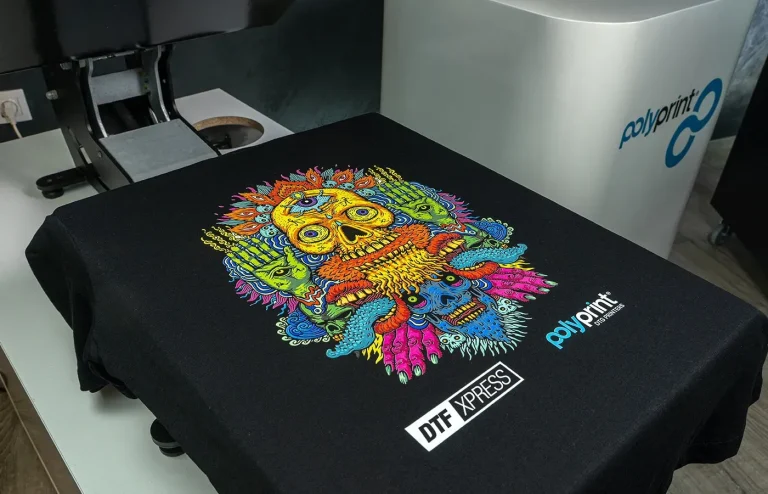
DTF printing, or Direct-to-Film printing, is revolutionizing the custom apparel landscape by enabling designers to create eye-catching and detailed garments with ease. This innovative technique harnesses the power of technology to deliver vibrant prints on a variety of fabrics, making it a popular choice for personalized clothing enthusiasts. As sustainability trends gain momentum within the fashion industry, DTF printing stands out for its eco-friendly processes, which reduce waste and promote sustainable fashion practices. Whether you’re an entrepreneur hoping to launch a unique clothing line or a DIY aficionado seeking to express personal style, DTF printing offers endless possibilities for customized designs. Join us as we explore how this remarkable printing method is unlocking creativity and driving innovation in custom apparel.
Direct-to-Film printing, often abbreviated as DTF, has emerged as a game-changing technology in the realm of customized clothing. This method allows for the direct application of intricate designs onto specialized film, which then gets flawlessly transferred onto fabrics under heat and pressure. With its ability to cater to individualized styles and preferences, DTF has become synonymous with personalized apparel and appeals to both emerging designers and established brands aiming to create one-of-a-kind garments. As the demand for sustainable fashion rises, techniques like DTF printing are gaining attention for their reduced environmental impact compared to traditional printing methods. In this discussion, we will delve into the advantages of this modern printing approach and its transformative effect on the fashion industry.
The Advantages of Direct-to-Film Printing in Custom Apparel
Direct-to-Film (DTF) printing has rapidly gained traction in the custom apparel sector due to its myriad benefits. This innovative method allows for high-quality, vibrant designs to be transferred onto various fabrics, making it a favorite choice for apparel designers. One of the key advantages of DTF printing is its versatility—it can be applied to a wide range of materials including cotton, polyester, and blends, providing creators with the flexibility they need to explore different styles and textures in their designs.
Moreover, DTF printing is not constrained by the limitations of traditional screen printing methods, which often require extensive setup and have restrictions on the number of colors and detail that can be printed. With DTF, designers can produce intricate, multi-colored graphics with ease. This opens the floodgates for creativity, enabling brands to differentiate themselves with unique and eye-catching apparel that caters to the ever-growing consumer demand for personalization.
Embracing Sustainable Fashion Through DTF Printing
As sustainability becomes increasingly important in the fashion industry, DTF printing emerges as a more eco-friendly alternative to traditional methods. By utilizing water-based inks and minimizing the waste associated with fabric printing, DTF aligns with the values of environmentally conscious consumers. This shift towards sustainable practices is not only beneficial for the environment but also resonates strongly with buyers who are looking for brands that reflect their commitment to eco-friendliness.
Incorporating sustainable fashion into their business model allows brands using DTF printing to enhance their market appeal. They can attract a demographic that prioritizes ethical consumption without sacrificing quality or creativity in their designs. By integrating ecological principles into their operations, companies can build a loyal customer base that appreciates efforts made towards reducing environmental impact while enjoying personalized clothing options.
Growing Demand for Personalized Clothing in Today’s Market
The custom apparel market is witnessing a surge in demand for personalized clothing, with consumers increasingly seeking unique and tailor-made options. DTF printing plays a pivotal role in this trend by simplifying the customization process for designers and end-users alike. This technology not only allows for quick adjustments and iterations but also keeps production costs low, making it an ideal solution for those venturing into personalized apparel.
Additionally, the capacity for small-scale production with DTF enables upcoming designers to experiment with different styles without the financial burden of large runs typical of traditional screen printing. This democratization of the fashion industry empowers creators to bring their personalized clothing visions to life, catering to niche markets that value individuality and self-expression.
Innovative Applications of DTF in Apparel Design
The applications of DTF printing within the apparel industry are virtually limitless, offering designers a platform to bring their most innovative ideas to fruition. From custom prints on streetwear to intricate designs on high-end fashion pieces, DTF allows for a level of detail and color variety that sets it apart from conventional methods. This opens opportunities for designers to collaborate with artists, brands, and even DIY enthusiasts to create unique apparel that showcases their style.
Furthermore, DTF technology enables smaller labels to experiment with new trends without the risk tied to larger production runs. The ability to produce limited-edition collections that utilize DTF prints not only creates exclusivity but also invites consumers to be part of a more personalized shopping experience. As such, DTF continues to drive innovation and creativity in apparel design, pushing the boundaries of what is achievable in fashion.
The Rise of the DIY Culture with DTF Technology
The emergence of DTF printing technology has invigorated the DIY culture, allowing individuals to engage in custom apparel creation from the comfort of their homes. With the availability of user-friendly DTF kits and products designed specifically for home use, more DIY enthusiasts can explore their creativity without needing professional-grade equipment. This accessibility empowers hobbyists to produce high-quality, custom clothing items that express their unique personalities.
This shift towards DIY design is not only fostering individual creativity but is also supporting small businesses. Entrepreneurs can start their own custom clothing lines with minimal financial investment, leveraging DTF technology to offer personalized products directly to their target audience. This growing trend emphasizes the importance of self-expression in fashion and highlights how DTF printing is reshaping the landscape for creators and consumers alike.
Printing as a Sustainable Solution for Future Fashion
Printing technologies like DTF are crucial in advancing sustainable solutions within the fashion industry. As consumers become more aware of the environmental impact of their purchases, brands that adopt eco-friendly practices gain a significant advantage in the marketplace. DTF printing, with its focus on waste reduction and sustainable ink formulations, allows companies to market themselves as environmentally responsible while still delivering high-quality, customizable apparel.
Incorporating DTF in their operations can also help brands navigate the challenges posed by the consumers’ evolving preferences towards sustainability. By aligning their production processes with eco-friendly values, companies not only contribute to a healthier planet but also build rapport with a demographic that values transparency and ethical practices, ensuring their longevity in a competitive market.
Frequently Asked Questions
What is DTF printing and how does it work for custom apparel?
DTF printing, or Direct-to-Film printing, is a modern technique that involves printing designs onto a special film, which is then heat-pressed onto fabric. This process enables vibrant colors and intricate details, making it ideal for creating custom apparel. The ability to print on various fabrics without the limitations of traditional methods makes DTF increasingly popular among clothing designers.
How does DTF printing support sustainable fashion practices?
DTF printing supports sustainable fashion by utilizing eco-friendly inks and reducing waste compared to traditional screen printing processes. This method generates less pollution and uses less water, aligning with the growing consumer demand for environmentally conscious products. Brands adopting DTF technology can better promote their sustainability initiatives to discerning customers.
Can DTF printing be used for DIY design projects?
Yes, DTF printing is an excellent option for DIY design projects. The technology has been made accessible through user-friendly tools and kits designed for home use, allowing hobbyists and small businesses to create personalized clothing easily. This ease of use empowers individuals to experiment with custom apparel creation in a fun and creative way.
What are the benefits of DTF printing over traditional printing methods?
DTF printing offers several benefits over traditional methods like screen printing, including faster production times, enhanced print quality, and the ability to easily reproduce complex designs with vibrant colors. Additionally, it allows for short runs of custom apparel without the need for extensive setup, making it a flexible option for both small and large orders.
How is DTF printing impacting the custom apparel market?
DTF printing is significantly impacting the custom apparel market by enabling brands and creators to meet the rising demand for personalized clothing. Its versatility and cost-effectiveness allow businesses to produce unique designs quickly, which helps them stand out in a competitive landscape. As the market grows, DTF technology is positioning itself as a key player in the future of custom fashion.
What innovations in DTF printing are shaping the future of personalized clothing?
Recent innovations in DTF printing include advancements in ink formulations that utilize safer, water-based inks and improved printing speeds. These developments enhance the overall quality and efficiency of the printing process, enabling designers to create stunning personalized clothing while adhering to sustainability goals. As technology continues to evolve, it will further revolutionize how custom apparel is produced.
| Key Aspect | Details |
|---|---|
| What is DTF Printing? | A method where designs are printed onto a special film and transferred onto fabric through heat and pressure, enabling full-color and intricate designs. |
| Focus on Creativity | Allows designers to experiment with styles, colors, and fabrics, producing unique designs that resonate with consumers. |
| Technology Advances | Improvements in print quality and production speed, with fast-drying inks and better film adherence. |
| Upgraded Ink Formulations | Transition to eco-friendly, water-based inks offering vibrant colors and flexibility on various fabrics. |
| Growing Market | Predicted market growth to $1.4 billion by 2030, fueled by demand for personalized apparel and limited collections. |
| Empowering DIY Culture | Accessible tools and resources allow DIY enthusiasts and small businesses to enter the custom apparel market easily. |
| Sustainability | DTF printing is more environmentally friendly than traditional methods, using less water and generating less waste. |
Summary
DTF printing is a transformative technique in the realm of custom apparel, enabling creative freedom and environmental sustainability. This method not only enhances the quality and efficiency of the printing process but also caters to the rising consumer demand for personalized clothing options. As designers harness the potential of DTF printing, they can create unique pieces that reflect individual styles while promoting eco-friendly practices. This innovation stands at the forefront of the fashion industry, bridging the gap between sustainability and creativity in apparel design.