
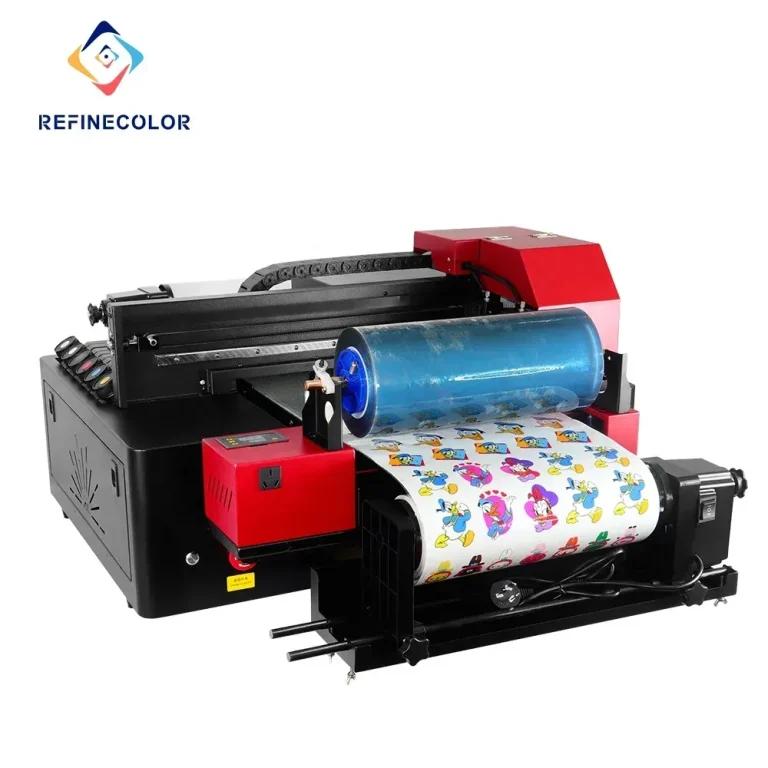
UV Direct to Film (UV DTF) printing is at the forefront of a transformative wave in the printing industry, combining cutting-edge technology with versatility and efficiency. This innovative process utilizes ultraviolet (UV) light to instantly cure inks on a specialized film, resulting in stunning, durable prints suitable for various applications. As businesses scramble to adopt custom printing solutions that can meet the demands of consumers, UV DTF stands out with its ability to deliver vibrant graphics with remarkable speed. Moreover, the sustainable printing methods employed in UV DTF technology highlight environmental consciousness, making it an attractive choice for modern enterprises. This blog post will delve into the mechanics of UV DTF, its numerous advantages, and its burgeoning role in the market.
Exploring the world of UV Direct to Film, often known as UV DTF, unveils a sophisticated printing method that merges the traditional allure of screen printing with advanced UV printing technology. In this context, custom printing solutions become more accessible, leading to the creation of highly durable prints that stand out in a crowded marketplace. This innovative approach allows for a variety of mediums to be printed on, providing businesses with the ability to cater to diverse needs—from personalized apparel to expansive promotional items. As we dive deeper into sustainable printing practices, UV DTF emerges as a leader, promoting an eco-friendly alternative to conventional methods while ensuring high-quality results. The following sections will explore the intricate workings and the advantages of this remarkable printing technology.
Understanding the Basics of UV Direct to Film (UV DTF) Printing
UV Direct to Film (UV DTF) printing is a cutting-edge method that blends digital printing with UV curing technologies, allowing for the creation of high-quality prints on film that can be transferred to various surfaces. This process begins with a specialized printer that uses UV inks, which are printed directly onto a film substrate. What sets UV DTF apart from other printing technologies, like traditional screen printing, is its swift curing process that employs ultraviolet light to solidify the inks almost instantaneously. This means that the prints are immediately ready for handling, which significantly reduces turnaround times compared to more conventional methods.
The versatility of UV DTF is also noteworthy; this technology can be used to print on a multitude of materials including fabrics, plastics, and metals. This flexibility makes UV DTF an increasingly popular choice for businesses seeking to offer customized printing solutions that meet diverse customer demands. From personalized apparel to promotional merchandise, the range of applications for UV DTF is vast, positioning it as a key player in the realm of modern printing.
The Mechanism Behind UV DTF Printing Technology
At the heart of UV DTF printing is a sophisticated yet simple mechanism that ensures high quality and efficiency. The process starts with a digital printer that uses specially formulated UV inks designed for durability and vibrancy. As the printer lays down the ink on the film, ultraviolet light is used to cure those inks quickly, transforming them from a liquid state to a solid state almost instantaneously. This rapid curing eliminates prolonged drying times and allows for quicker production cycles, making it ideal for businesses in need of fast-turnaround printing services.
Moreover, the cured ink forms a robust bond with the film substrate, resulting in prints that are not only vibrant but also exceptionally resistant to fading, abrasion, and washing. This makes UV DTF prints particularly suitable for items that undergo frequent handling, such as clothing and promotional products. By understanding how this mechanism operates, businesses can better appreciate the efficiencies and benefits offered by UV DTF technology in their operations.
Benefits of Choosing UV DTF for Custom Printing Needs
One of the standout benefits of UV DTF printing is its exceptional durability. The prints produced using this technology exhibit significant resistance to wear and tear, making them an excellent choice for items that will be regularly used. Unlike traditional prints that may fade or peel over time, UV DTF prints maintain their quality even after repeated washes or exposure to harsh environmental conditions. This durability not only enhances the lifespan of the printed products but also assures customers of high-quality, long-lasting results.
Additionally, UV DTF printing allows for vibrant color reproduction and high-resolution image quality. The extensive color gamut achievable with UV inks ensures that businesses can create stunning visual designs that leave a lasting impression on their target audience. This capability is particularly advantageous for companies looking to differentiate themselves through eye-catching branding and unique products. By opting for UV DTF, businesses can effectively enhance their product offerings while ensuring that they meet the growing demand for personal customization.
Sustainability and Environmental Impact of UV DTF Printing
In today’s eco-conscious market, businesses are increasingly prioritizing sustainable practices, and UV DTF printing offers an environmentally friendly solution compared to traditional printing methods. Many UV inks are formulated to produce lower levels of volatile organic compounds (VOCs), which are harmful chemicals commonly found in standard solvent-based inks. By adopting UV DTF technology, companies can significantly reduce their environmental footprint while still achieving high-quality prints.
Furthermore, the efficiency of the UV DTF process minimizes waste. The quick curing time means that less energy is consumed overall, and the precision of the printing process reduces excess ink use. This combination of lower emissions and reduced waste positions UV DTF as a responsible choice for businesses looking to improve their sustainability efforts while still delivering outstanding custom printing solutions.
Current Trends in the UV DTF Printing Market
The UV DTF printing market is on an upward trajectory, fueled by growing demand from various sectors. Many industries, from fashion to manufacturing, are pivoting towards UV DTF technology to meet consumer preferences for personalized and high-quality products. This shift is partly driven by consumer expectations for rapid delivery and customization options, which UV DTF can efficiently satisfy thanks to its fast curing times and versatile applications.
Additionally, advancements in UV DTF technology are making these printers more accessible to small businesses and startups. Manufacturers are investing in improvements that enhance usability and functionality, such as automating print processes and offering machines with larger printable areas. As more companies recognize the competitive advantage that UV DTF can provide, the market’s growth is expected to continue, with innovations pushing the boundaries of what is achievable in custom printing.
The Future of UV DTF Printing Technology
Looking forward, the future of UV DTF printing appears promising, with continued advancements poised to enhance both efficiency and quality. Companies are working on technological innovations that promise to streamline operations, such as improved print speeds and capacity. This ongoing evolution is likely to make UV DTF printers even more efficient, allowing businesses to ramp up production while maintaining high standards of print quality.
Moreover, as the demand for customized products continues to rise, UV DTF technology will play a crucial role in shaping the future landscape of printing. With an increasing focus on sustainability and innovation, UV DTF not only meets current market needs but is also adaptable to future trends in customization and eco-friendly practices. Thus, embracing UV DTF technology will likely be a key strategy for businesses aiming to thrive in a competitive marketplace.
Frequently Asked Questions
What is UV DTF and how does it work?
UV Direct to Film (UV DTF) is a cutting-edge printing technology that utilizes ultraviolet light to cure inks on a specialized film. This process begins with a digital printer applying UV inks onto the film substrate, which is immediately cured by UV light, creating vibrant, durable prints that can be heat transferred onto various surfaces.
What are the benefits of using UV DTF printing technology?
The advantages of UV DTF printing include exceptional durability, resistance to fading and scratching, vibrant color output, and eco-friendliness due to lower VOC emissions. These factors make UV DTF an ideal choice for creating custom printing solutions across different applications.
How does UV DTF compare to traditional printing methods?
Compared to traditional printing methods, UV DTF printing offers quicker curing times, allowing for faster production and less downtime waiting for prints to dry. Additionally, UV DTF provides superior image quality and durability, making it a widely preferred option for custom applications in various industries.
What types of products can be created using UV DTF printing?
UV DTF technology is highly versatile, enabling the production of a wide array of products such as custom apparel, promotional merchandise, signage, labels, and accessories. Its ability to transfer prints onto different substrates makes it a popular choice for many businesses.
Is UV DTF printing a sustainable printing solution?
Yes, UV DTF printing is considered a sustainable printing option due to its use of eco-friendly inks that produce lower emissions of volatile organic compounds (VOCs). This reduction in harmful environmental impact makes UV DTF an attractive choice for environmentally conscious businesses.
What are the market trends driving the adoption of UV DTF printing technology?
The market for UV DTF printing is growing due to rising consumer demand for high-quality, customized products and faster turnaround times. Additionally, advancements in UV DTF printers, such as improved print speeds and user-friendly designs, are making this technology accessible for small businesses and startups.
| Key Points | Description |
|---|---|
| What is UV DTF? | UV Direct to Film (UV DTF) is an innovative printing method that uses UV light to cure inks on a film substrate, allowing for vibrant and durable prints that can be applied to various surfaces. |
| Mechanism of Operation | The printing process involves three main steps: applying UV inks onto film, curing the inks with UV light for instant solidification, and transferring the cured film onto substrates. |
| Advantages | Key benefits include exceptional durability, vibrant colors, high image quality, and reduced environmental impact due to the use of eco-friendly inks. |
| Market Trends | UV DTF technology is increasingly adopted across various sectors, with significant investments in high-speed printers and a growing demand for customization. |
| Applications | This technology is versatile, used in fashion, promotional products, and industrial applications, making it suitable for numerous customization needs. |
| Future Developments | Innovations aim to improve speed, efficiency, and user ergonomics in UV DTF machines, making them more accessible to small businesses. |
Summary
UV DTF technology is at the forefront of modern printing solutions, combining speed, durability, and impressive quality to accommodate the ever-growing demand for customized products. From fashion apparel to promotional items, the robust characteristics of UV DTF enable businesses to produce vibrant and long-lasting prints efficiently. The eco-friendly nature of this process also aligns with contemporary sustainability goals, positioning UV DTF as a versatile and responsible choice in the printing industry. As the market continues to expand, embracing the innovations of UV DTF can lead to significant competitive advantages in an increasingly personalized consumer landscape.