
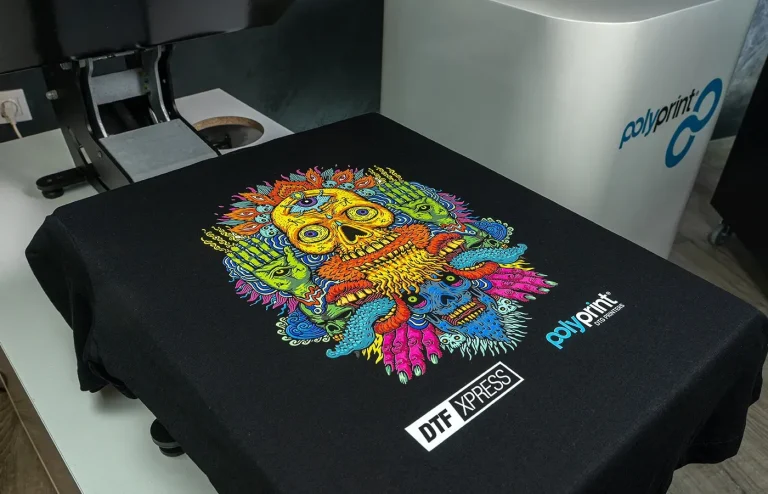
DTF printing, or Direct-to-Film printing, is rapidly transforming the landscape of custom apparel printing. As print technologies advance, DTF printing techniques are becoming essential for maximizing print business growth, allowing companies to cater efficiently to the increasing demand for personalized garments. This innovative method not only offers remarkable quality and versatility across multiple fabric types but also positions businesses to stand out in a competitive market. In this article, we will explore how implementing DTF printing effectively boosts your capability to deliver vibrant, durable designs while optimizing operational costs. Join us as we unlock the potential of DTF printing to elevate your print business to new heights.
Direct-to-Film printing, often abbreviated as DTF printing, represents a cutting-edge approach to modern graphic transfer techniques in the textiles industry. This method enables businesses to personalize apparel with stunning detail and depth, making it a popular choice for custom garment design. By understanding various DTF printing methods, companies can enhance their service offerings, ensuring they meet the ever-evolving consumer preferences for distinctive and personalized items. As we delve into the dynamics of this printing technology, we’ll uncover its role in fostering business expansion and addressing the contemporary market’s demand for high-quality, customized products.
Understanding DTF Printing Techniques
DTF printing, or Direct-to-Film printing, revolutionizes how designs are transferred onto garments. This process involves printing high-resolution graphics directly onto a specialized film, which can then be heat-pressed onto various fabric types. The versatility of DTF printing is noteworthy, as it caters to both natural fibers like cotton and synthetic materials such as polyester. This adaptability means that print service providers can offer customized apparel options that appeal to a diverse clientele.
Moreover, the efficiency of DTF printing techniques allows businesses to produce high-quality prints quickly. The use of vibrant inks not only results in striking colors but also ensures durability, enabling customized designs to withstand numerous washes without fading. By mastering DTF printing, businesses can meet the rising consumer demand for personalized products, leading to greater customer satisfaction and loyalty.
The Benefits of DTF Printing for Your Print Business
The implementation of DTF printing techniques brings numerous advantages for print businesses seeking to thrive in a competitive landscape. One primary benefit is its cost-effectiveness, particularly for small batch orders. Unlike traditional screen printing, which often incurs higher setup costs for minimal print runs, DTF printing allows companies to cater to individual customer requests without substantial financial risks. This is crucial for businesses focused on maximizing print business growth.
Additionally, DTF printing provides unparalleled versatility, enabling service providers to explore various fabric types and textures in their offerings. As consumers continue to seek unique and customized designs, the ability to print on a range of materials positions businesses favorably. Furthermore, with reduced waste and simplified processes, DTF printing enhances operational efficiency, positively impacting the bottom line.
Strategic Implementation of DTF Printing
To fully leverage the advantages of DTF printing, it’s vital for print businesses to adopt strategic implementation methods. A key step is investing in quality equipment specifically designed for DTF processes. High-performance printers paired with reliable heat presses will not only enhance printing precision but also minimize errors and product waste, fostering a more efficient workflow.
Alongside hardware considerations, sourcing quality films and inks is paramount to achieving vibrant and long-lasting prints. High-quality materials guarantee that designs look stunning on finished garments, aligning with the expectations of customers who prioritize customization. Furthermore, ongoing training for staff in DTF printing techniques will ensure that your team remains adept at utilizing this technology effectively, which is essential for maintaining high standards.
Marketing Your Custom Apparel with DTF Printing
Marketing strategies tailored to highlight the unique benefits of DTF printing can significantly enhance customer engagement and retention. By focusing on the customization options available through DTF printing, businesses can captivate target audiences looking for personalized apparel solutions. Creative marketing messages that emphasize sustainability and quality can resonate strongly with savvy consumers, driving interest in your offerings.
Utilizing social media platforms serves as an excellent avenue for showcasing DTF printing capabilities. Posting high-resolution images of custom prints not only demonstrates the quality of your work but also creates opportunities for customer interaction and feedback. Engaging content on platforms like Instagram can help build a community around your brand, attracting new customers eager to explore your custom apparel options.
Embracing the Future of DTF Printing
As the print industry continues to evolve, embracing innovative printing methods like DTF is essential for businesses aiming to remain competitive. The continuous growth of the DTF printing market demonstrates its effectiveness in meeting modern consumer demands for customization. By staying ahead of the curve and adopting cutting-edge technologies, print businesses can secure a spot as industry leaders in custom apparel.
Additionally, analyzing market trends and consumer preferences is crucial for strategic planning. Keeping an eye on developments within the DTF sector can guide businesses in making informed decisions that align with customer expectations. Those who adapt to changes and leverage DTF printing techniques can not only survive but thrive in the dynamic environment of the print industry.
The Role of Customer Feedback in DTF Success
Customer feedback plays an instrumental role in shaping the success of businesses utilizing DTF printing techniques. By listening to customer experiences and preferences, print service providers can refine their offerings to better match market demands. Gathering testimonials and reviews can also serve as a powerful marketing tool to establish credibility and build trust within your target audience.
Incorporating customer insights into the development process not only enhances print quality but also fosters a sense of community around your brand. Engaging with customers after their purchases, encouraging them to share their DTF-printed products online, and highlighting their stories in your marketing efforts can significantly amplify your reach. Satisfied customers often become advocates for your brand, contributing to organic growth and encouraging others to explore your custom apparel.
Frequently Asked Questions
What is DTF printing and how does it work?
DTF printing, or Direct-to-Film printing, is a unique printing technique where designs are first printed onto a special transfer film. This film is then applied to fabrics using heat and pressure, allowing for vibrant and durable prints that can be used on various materials like cotton and polyester.
How can DTF printing help in maximizing print business growth?
DTF printing can significantly boost print business growth by offering a cost-effective solution for producing customized apparel. Its versatility and high-quality outputs cater to diverse customer needs, allowing businesses to meet increasing demand for personalized products efficiently.
What are the key advantages of using DTF printing for custom apparel?
The main advantages of DTF printing for custom apparel include its compatibility with various fabrics, high print quality and durability, and lower production costs for small batch orders. These benefits make it an attractive option for businesses looking to offer unique and high-quality garments.
What equipment is essential for effective DTF printing implementation?
To effectively implement DTF printing, businesses need to invest in quality DTF printers and heat presses designed for this printing method. High-quality films and inks are also crucial for achieving the best print results and maintaining quality standards.
What strategies should be considered for marketing DTF printing services?
Effective marketing strategies for DTF printing services include emphasizing the unique benefits of the technology, utilizing social media to showcase vibrant prints, and leveraging customer feedback to build credibility. Highlighting eco-friendly aspects and customization options can also attract more customers.
How does DTF printing compare to traditional printing methods like screen printing?
DTF printing offers several advantages over traditional methods such as screen printing, including lower costs for short runs, higher versatility across fabrics, and improved print durability. This makes DTF a preferred choice for businesses seeking affordable and quality solutions for custom apparel printing.
| Key Point | Details |
|---|---|
| What is DTF Printing? | DTF printing is a method where designs are transferred onto fabric from a special film using heat and pressure, allowing for high versatility across materials. |
| Rising Market Trend | The DTF printing market is growing due to increased demand for customization and cost-effectiveness. |
| Advantages of DTF Printing | 1. Versatile across various fabrics. 2. High print quality with durability. 3. Cost-effective for short runs. |
| Implementation Strategies | Invest in quality equipment, source high-quality films and inks, and focus on staff training. |
| Marketing DTF Services | Highlight unique benefits, utilize social media for showcasing prints, and leverage customer feedback. |
Summary
DTF printing is an innovative technique that has transformed how businesses approach customization in the apparel industry. By leveraging the advantages of DTF printing, such as its versatility and cost-effectiveness, print businesses can satisfy the growing demand for personalized products. Implementing robust strategies, from investing in quality equipment to effective marketing, will enable companies to maximize their offerings and stand out in the competitive market. As the DTF industry continues to evolve, those who adapt and embrace these new technologies will find numerous opportunities for growth and profitability.