
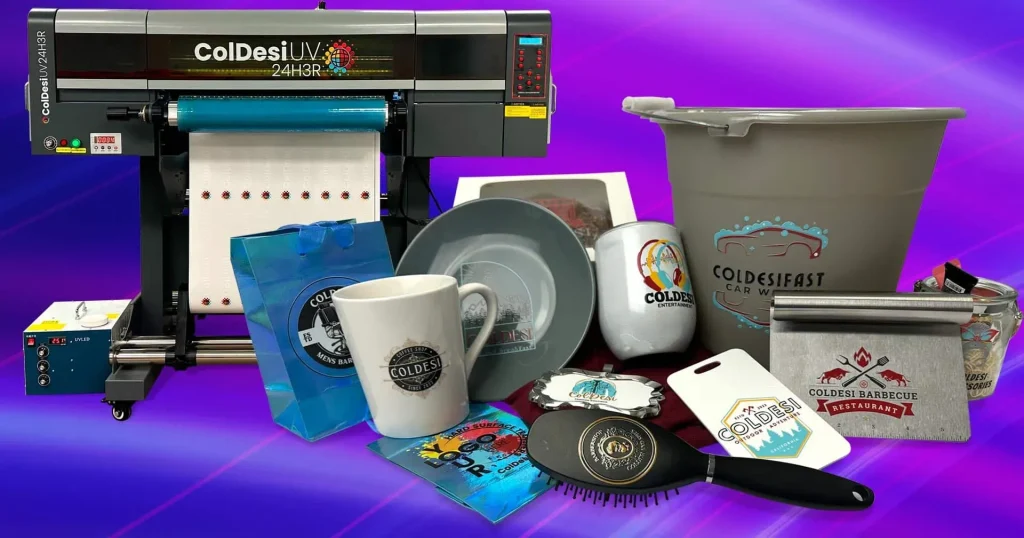
UV DTF printing is a groundbreaking innovation within the printing industry, seamlessly combining the advantages of the UV printing process with the flexibility of direct to film applications. This cutting-edge print technology enhances print vibrancy and longevity, making it suitable for a myriad of substrates, including textiles, plastics, and metals. As an eco-friendlier alternative for heat transfer printing, UV DTF printing reduces waste while offering high-resolution designs. Its sustainable printing practices are attracting attention across various sectors, from fashion to promotional materials, as businesses look for efficient yet environmentally friendly solutions. In this comprehensive guide, we will delve into the intricate process of UV DTF printing, uncovering its key components and the exciting trends shaping its future in the market.
Revolutionizing the way we perceive print applications, UV DTF or ultraviolet direct to film printing integrates advanced techniques to offer high-quality transfers. This process not only emphasizes the capabilities of digital designs but also sustains a diverse range of materials for various industries. With the emergence of direct film printing, businesses can now enjoy the benefits of detailed imagery and enhanced durability. In an era where customization is paramount, this flexible print technology stands out for its efficiency and quality. Furthermore, as sustainability becomes increasingly relevant, solutions that utilize eco-friendly methods are becoming integral to modern printing practices.
Understanding the Basics of UV DTF Printing
UV DTF printing merges the robust qualities of UV printing with the finesse of direct-to-film methods, making it a revolutionary process in the printing sector. This technique involves creating digital designs that are transferred onto a film, which is then used to print on various substrates with unmatched vibrancy and durability. The meticulous nature of UV DTF printing allows it to cater to a broad range of materials, including textiles, plastics, and even metals, giving businesses incredible versatility in their product offerings.
The process is particularly appealing for industries such as fashion and promotional goods, where high-quality visuals are paramount. By utilizing advanced UV printing technology, UV DTF enhances color richness while ensuring long-lasting prints that resist fading and degradation. With the rise of customization in consumer products, this innovative printing method stands to meet the growing demand for engaging and durable prints.
Key Steps for Successful UV DTF Printing Process
To achieve impressive results with UV DTF printing, one must understand the integral steps involved in the process. The journey begins with design creation, where graphic designers leverage software like Adobe Illustrator to compose vibrant illustrations destined for high-resolution printing. This stage is critical, as it sets the foundation for the entire printing process by determining how the final product will appear, including its colors and intricate details.
Once the design is ready, the next phase involves printing onto a specially coated film using ultraviolet ink. This aspect is crucial; the UV printing process cures the ink instantly, generating bright colors that adhere robustly to the film. Following this, an adhesive layer is applied to facilitate seamless transfers to diverse substrates. Understanding each step—from design to final curing—ensures quality outcomes that meet consumer expectations.
Recent Innovations in UV DTF Printing Technology
The UV DTF printing industry is experiencing rapid advancements, particularly in technology and equipment. Modern UV printers are now equipped with enhanced capabilities that boost printing efficiency and quality. These innovations include faster print speeds and advanced ink formulations, which collectively result in more vibrant colors and decreased production times. Such improvements are vital in meeting the increasing demands for high-quality prints in competitive markets.
Furthermore, the integration of smart technologies, such as IoT and automation, is transforming the way printers operate, allowing for streamlined processes and reduced operational costs. As manufacturers focus on enhancing the capabilities of UV printing technology, the industry is poised to evolve continuously, paving the way for new applications and capabilities within various sectors.
Sustainability in the UV DTF Printing Landscape
Sustainability remains a pivotal theme within the UV DTF printing industry, with manufacturers actively seeking eco-friendly alternatives in both materials and processes. The quest for sustainable printing solutions has led to the development of biodegradable inks and recyclable films. These advancements not only lower environmental impacts but also align with growing consumer preferences for sustainable products.
Additionally, the focus on reducing waste and enhancing sustainability practices is shaping the future of print technology. Businesses adopting these responsible practices not only gain a competitive edge but also contribute positively to the global push towards a greener economy. By prioritizing sustainable printing, the UV DTF printing sector can establish itself as a leader in environmentally-conscious manufacturing.
Market Growth and Trends in UV DTF Printing
The UV DTF printing market is witnessing robust growth, driven by increasing demand for customization and quality in various sectors such as fashion, promotional goods, and interior decor. As consumers increasingly seek personalized and unique products, the versatility of UV DTF printing presents businesses with significant opportunities to tap into these evolving consumer trends.
Moreover, market forecasts suggest that as the technology continues to improve and expand, UV DTF printing will become an essential tool for brands aiming to differentiate themselves in an ever-competitive landscape. The ability to quickly and efficiently create customized, high-quality prints will be a major factor in the continued expansion of this innovative print technology.
Exploring the Future of UV DTF Printing Technology
Looking ahead, the future of UV DTF printing technology appears promising, with ongoing research and development likely to yield even more innovative solutions. As businesses strive for improved quality and sustainability, advancements in print technology will play a significant role in shaping the industry’s trajectory. This could include further enhancements in ink formulations, advancements in curing techniques, and the introduction of new substrates suitable for UV DTF printing.
Additionally, the integration of automation and artificial intelligence in printing processes is expected to streamline operations, improve productivity, and enhance precision in prints. Embracing these technological trends will enable businesses to stay ahead of consumer demands and position themselves favorably in the evolving printing landscape.
Frequently Asked Questions
What are the advantages of UV DTF printing compared to traditional print technology?
UV DTF printing offers numerous advantages over traditional print technology, including vibrant colors and enhanced durability. The UV printing process utilizes ultraviolet light to cure inks instantly, allowing for sharper images and long-lasting prints on a variety of substrates, such as textiles, plastics, and metals. This capability leads to better adhesion and minimizes fading, making UV DTF printing a superior choice for customization.
How does the UV printing process work in UV DTF printing?
The UV printing process in UV DTF printing begins with digital designs that are printed onto a specially coated film. Once the design is printed, ultraviolet light cures the ink instantly, ensuring bright colors and strong adhesion. This process allows for high-quality transfers to various materials through heat transfer printing, resulting in durable and visually appealing products.
What types of materials can be used with UV DTF printing?
UV DTF printing is compatible with a wide range of materials, making it a versatile printing solution. Common substrates include textiles, plastics, glass, and metal, allowing businesses to customize products for diverse applications, from fashion items to promotional materials. This adaptability is one of the many benefits that set UV DTF printing apart in the print technology landscape.
Is UV DTF printing environmentally sustainable?
Yes, UV DTF printing is increasingly recognized for its sustainability. Many manufacturers are adopting eco-friendly practices by utilizing biodegradable inks and recyclable films. This shift toward sustainable printing aligns with the growing demand for environmentally conscious processes in the printing industry, ensuring that UV DTF printing contributes positively to sustainability goals.
What steps are involved in the UV DTF printing process?
The UV DTF printing process includes several key steps: 1) Design creation using graphic software, 2) Printing onto a special film with a UV printer, 3) Applying adhesive to the film, 4) Heat transfer onto the chosen substrate, and 5) Curing the transferred product to enhance durability. Each step is crucial to achieving high-quality, long-lasting prints.
How is UV DTF printing different from other direct-to-film printing methods?
UV DTF printing differs from other direct-to-film printing methods primarily in its use of UV curing technology. While standard DTF printing typically uses water-based inks and requires additional drying time, UV DTF printing cures inks instantly under ultraviolet light, resulting in vibrant colors and stronger adhesion. This innovation enhances the print quality and longevity, offering a significant edge in the competitive print market.
| Aspect | Details |
|---|---|
| What is UV DTF Printing? | A combination of UV printing technology and direct-to-film processes allowing high-quality prints on various substrates. |
| Key Steps in the Process | 1. **Design Creation** – Using graphic software to create an initial design. 2. **Printing onto Film** – Printing designs on a coated film using UV printers. 3. **Adhesive Application** – Applying a layer of adhesive to the printed film. 4. **Heat Transfer** – Activating adhesive using a heat press to bond the film to the substrate. 5. **Curing and Finishing** – Final curing process for durability and resistance to fading and scratching. |
| Recent Developments | 1. **Technology Advancements** – Improved efficiency and print quality with modern equipment. 2. **Sustainability Focus** – Shift towards eco-friendly materials and processes. 3. **Market Growth** – Increasing demand across various sectors including fashion and promotional products. |
Summary
UV DTF printing is revolutionizing the printing landscape by offering a versatile and efficient solution for producing high-quality, durable prints on a variety of surfaces. This innovative method combines state-of-the-art UV technology with direct-to-film applications, catering to the growing demand for customization and sustainability in industries such as fashion and promotional products. As advancements in technology continue to shape the future of UV DTF printing, businesses can expect enhanced capabilities to meet the unique needs of consumers, positioning UV DTF printing as a leader in the dynamic world of printing.