
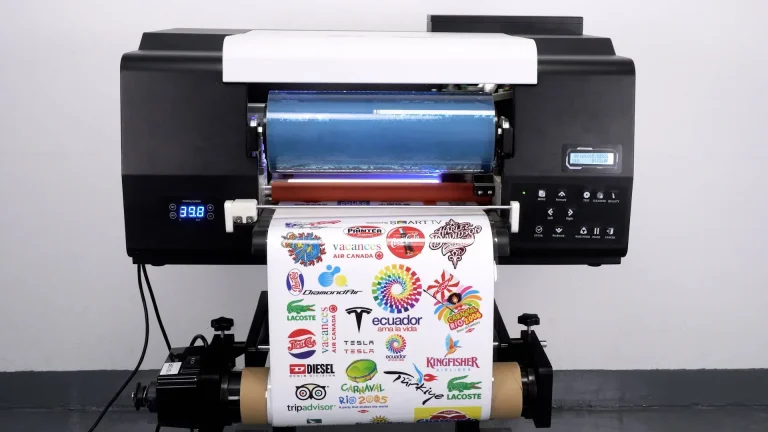
In the dynamic landscape of modern printing, UV Direct to Film (DTF) technology has emerged as a revolutionary force, redefining standards for quality and efficiency. Utilizing the innovative technique of UV printing, this method employs ultraviolet light to instantly cure inks on specially designed transfer films, creating vibrant and durable prints. As industries increasingly prioritize sustainable printing solutions, UV DTF stands out not only for its impressive output but also for its eco-friendly ink options that minimize volatile organic compounds. This forward-thinking approach positions UV DTF at the forefront of direct to film printing innovations, making it an essential technology for businesses seeking to enhance their operational capabilities. In this article, we will explore the underlying mechanics of UV DTF and its transformative impact on various sectors, from textiles to promotional materials.
In the realm of contemporary print technology, the concept of UV Direct to Film (DTF) represents a groundbreaking shift, often referred to simply as DTF technology. This advanced printing methodology leverages the principles of UV curing, allowing inks to solidify rapidly on transfer films. By facilitating direct printing onto a variety of substrates, this technique not only enhances the clarity and longevity of prints but also aligns with the growing trend towards sustainable printing methods. With its ability to produce remarkable color accuracy and durability, DTF printing is quickly gaining traction among businesses looking for effective, eco-conscious solutions. This discussion delves into the science and advantages behind UV DTF, showcasing why it is becoming the preferred choice in today’s competitive market.
Understanding UV DTF Technology: A Deeper Dive
UV Direct to Film (DTF) technology is a revolutionary method that combines traditional printing techniques with advanced UV curing processes. Unlike standard printing methods, UV DTF utilizes specialized UV inks that are cured through ultraviolet light, allowing for rapid and efficient production. This technology is not only about speed; it emphasizes quality, producing vibrant colors and fine details on an array of substrates including fabrics, paper, and plastics. Understanding how UV DTF operates can give businesses an edge in choosing the best printing solutions for their needs.
The process entails several steps beginning with printing a design onto a transfer film. After this, a unique adhesive is applied, which enhances the ink’s adherence to the chosen surface. It concludes with the UV curing stage, where the ink is swiftly solidified under UV light. This meticulous process ensures that the prints not only stand out visually but also possess enhanced durability when subjected to wear and tear, setting UV DTF apart from traditional printing methods.
Comparing UV DTF with Traditional Printing Methods
When comparing UV DTF technology to conventional printing methods, significant differences come to light in terms of efficiency and quality. Traditional methods often rely on pigment-based inks which can bleed or fade over time, whereas UV DTF utilizes enhanced inks that are inherently resistant to wear, ensuring longer-lasting results. Moreover, the rapid curing process of UV DTF allows printers to produce high volumes without compromising quality.
Additionally, UV DTF technology is compatible with a variety of materials, making it a versatile option for businesses looking to expand their printing capabilities. Traditional methods, limited by the types of inks and materials they can work with, often struggle to meet the demands of modern markets. Therefore, understanding these differences is crucial for companies aiming to optimize their production processes and meet customer expectations.
The Environmental Impact of UV DTF Technology
In an age where sustainability is a significant concern, UV DTF technology emerges as a greener choice in printing. The use of UV-cured inks significantly reduces the emission of volatile organic compounds (VOCs), which are harmful to both human health and the environment. By using eco-friendly inks and solvents, businesses can effectively minimize their carbon footprints and contribute positively to environmental conservation.
Moreover, efficient production methods such as UV DTF reduce waste by enabling precise alignments and reduced scrap production. This aspect of sustainability is more appealing as consumers gravitate towards brands that prioritize eco-conscious practices. Therefore, incorporating UV DTF into a printing business not only aligns with market trends but also caters to the growing demand for responsible and sustainable printing solutions.
Exploring Innovations in UV DTF Technology
Recent advancements in UV DTF technology have spurred innovations that enhance the capabilities of this printing method. For instance, automated UV DTF systems now allow for seamless transitions between various substrates without the need for extensive manual adjustments. This technological leap increases productivity and optimizes workflow, making it a preferred choice for large-scale printing operations.
Additionally, manufacturers are continually developing UV DTF printers equipped with advanced features such as multi-layer printing and customized settings for specific materials. These innovations not only expand the application scope of UV DTF but also provide print houses with the flexibility needed to meet diverse client requests, further solidifying UV DTF’s role as a leading force in modern printing technology.
Overcoming Challenges in UV DTF Implementation
While UV DTF technology offers several advantages, businesses must also navigate certain challenges associated with its implementation. One significant barrier is the cost of equipment investment, which can be substantial for smaller enterprises. The up-front cost of high-quality UV DTF printers and the accompanying setup expenses might seem daunting, potentially hindering companies from making the transition.
Moreover, the necessity for specialized training programs is another challenge. Proper operational training is essential to leverage the full potential of UV DTF technology. This requirement can complicate the onboarding process for businesses looking to adopt this innovative printing method, as staff may need time and resources to adapt to new systems and learn effective usage strategies.
Market Trends in UV DTF Technology
The market for UV DTF technology is witnessing significant growth driven by rising demand for high-quality, versatile printing solutions. As industries such as apparel, signage, and promotional products seek innovative ways to stand out, UV DTF provides an effective means of achieving vibrant and durable prints that cater to varied client needs. This surge in popularity is prompting manufacturers to enhance their offerings, highlighting the advantages that UV DTF technology brings to the table.
Furthermore, sustainability trends are reshaping market dynamics, as consumers increasingly favor eco-friendly products. The ability to print with lower VOC emissions and reduced material waste positions UV DTF as a leader in the transition towards environmentally responsible printing solutions. As businesses pivot to meet these sustainable demands, UV DTF technology could potentially dominate the future landscape of the printing industry.
Frequently Asked Questions
What is UV DTF printing and how does it work?
UV Direct to Film (DTF) printing is an advanced technology that uses ultraviolet light to cure inks applied on transfer films. The process involves printing an image onto a specialized film, applying an adhesive, and then curing the ink using UV light, creating high-quality, durable prints suitable for various surfaces.
What are the advantages of using UV DTF technology in printing?
The advantages of UV DTF technology include superior durability, as prints are resistant to fading, scratching, and washing. Additionally, UV DTF utilizes eco-friendly inks that reduce volatile organic compounds (VOCs), making it a sustainable choice for modern printing needs.
How does UV curing enhance print quality in UV DTF?
UV curing in UV DTF enhances print quality by rapidly solidifying the ink once printed. This process ensures vibrant colors and intricate details, as well as strong adhesion to different substrates, which are crucial for high-quality output.
What makes UV DTF different from traditional DTF printing methods?
UV DTF differs from traditional DTF methods primarily in the curing process. While traditional DTF may use heat for curing, UV DTF employs UV light for instant ink solidification, leading to better durability and detail in the final printed product.
What are some common applications for UV DTF printing?
UV DTF printing is commonly used for a variety of applications including textiles, signage, promotional materials, and apparel. Its versatility allows it to produce vibrant, long-lasting prints that adhere well to many surfaces.
Are there challenges associated with implementing UV DTF technology?
Yes, challenges with UV DTF technology include high initial costs for the necessary equipment and the need for specialized training to operate the systems effectively. These factors can deter some businesses from adopting this innovative printing solution.
| Aspect | Details |
|---|---|
| Introduction | UV DTF is an innovative printing technology using UV light to cure inks, resulting in high-quality, durable prints. |
| Process Mechanics | Involves printing on transfer film, applying adhesive, and UV curing to ensure vibrant and durable prints. |
| Advantages | Durability, resistance to fading and scratching, eco-friendly inks reducing VOCs. |
| Market Trends | Growing demand and investment in UV DTF technology to improve efficiency and sustainability. |
| Challenges | High initial costs and the need for specialized training to operate UV DTF systems effectively. |
| Recent Innovations | Automated UV DTF printers for seamless substrate switching, enhancing production efficiency. |
| Case Studies | Examples from apparel manufacturing and signage that showcase UV DTF’s superior quality and durability. |
Summary
UV DTF technology is transforming the printing industry by delivering durable, eco-friendly, and vibrantly detailed prints. This innovative method not only enhances print quality but also significantly reduces environmental impact through the use of low VOC inks. As businesses continue to prioritize sustainability and efficiency in their production processes, UV DTF positions itself as a frontrunner in meeting these demands. The increasing market adoption signals a bright future for this technology, with ongoing innovations that promise to expand its capabilities and user-friendliness.