
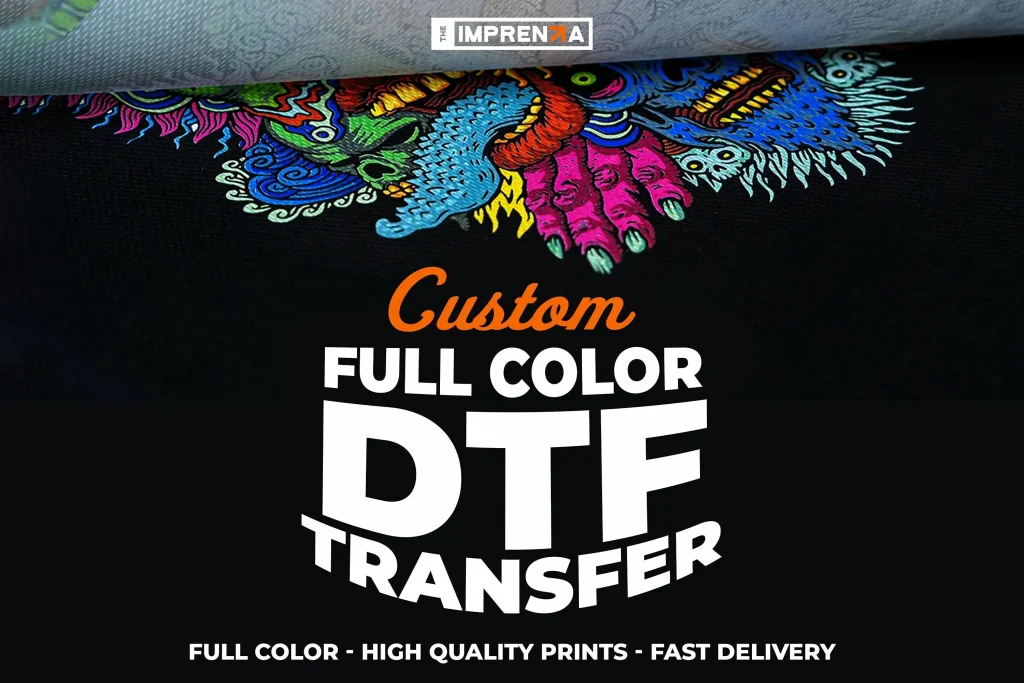
DTF Transfers, or Direct-to-Film transfers, represent a groundbreaking evolution in the realm of custom apparel printing, combining technology and artistry to create stunning designs. This innovative printing technique allows for high-quality transfers that can be applied to a wide array of fabrics, ranging from cotton to polyester and various blends. One of the most notable advantages of DTF printing is its ability to produce vibrant colors and intricate details, making it ideal for complex designs that stand out. Furthermore, the DTF printing process is efficient, resulting in faster turnaround times compared to traditional methods, which can be a game-changer for businesses. In this article, we will explore the technical aspects of DTF transfer technology, its advantages, and best practices for achieving exceptional results in apparel printing.
The world of custom garment decoration is rapidly changing, with various methods emerging to capture the attention of designers and businesses alike. One noteworthy approach is the Direct-to-Film technique, which allows vibrant and detailed graphics to be seamlessly applied onto clothing items. This technology utilizes a specialized film to ensure quality prints that adhere effortlessly to fabrics. The process behind this printing method boasts several advantages, such as improved efficiency and the capability to work with diverse materials. As experts in the industry, we will investigate how this innovative transfer method is reshaping the landscape of textile printing and paving the way for a new era in customized apparel.
Understanding the DTF Printing Process
The DTF (Direct-to-Film) printing process is an innovative method that has revolutionized the custom apparel landscape. It begins with printing designs onto a specially coated film using top-quality inks designed for brilliance and detail. The inks penetrate the film’s surface, allowing for vibrant imagery that can replicate intricate designs with ease. By employing high-resolution technology, DTF printing can match or exceed the quality of traditional methods, making it a leading choice among garment creators.
Following the printing phase, a layer of adhesive powder is applied to the film, creating a bond that is essential for the transfer process. This powder is specially formulated to ensure optimum adhesion to a wide variety of fabrics, including cotton and polyester. Once the adhesive is applied, the film is cured using heat; this step activates the adhesive and prepares it for the final transfer to the garment. The precision involved in each of these stages plays a crucial role in achieving a successful print that withstands the rigors of wear and washing.
Advantages of DTF Printing Over Traditional Methods
One of the primary advantages of DTF printing lies in its versatility. Unlike traditional screen printing, which can be limited by the number of colors and the complexity of designs, DTF transfers can accommodate a vast range of fabric types and colors. This flexibility enables custom apparel businesses to serve a broader customer base by offering personalized and detailed prints on various items, from t-shirts to hoodies.
Additionally, DTF transfers are known for their vibrancy and detail. The advanced printing technology used in DTF allows for higher resolution outputs, resulting in eye-catching designs that command attention. Furthermore, the process is efficient, reducing the time it takes to create multi-colored designs significantly. This efficiency translates into reduced labor costs and faster turnaround times, allowing businesses to meet increasing demands effectively.
Key Considerations for DTF Transfer Technology
When utilizing DTF transfer technology, several factors play a pivotal role in the success of the final product. The quality of the ink used is paramount, as it greatly affects both the vibrancy of the colors and the adherence of the design to the fabric. Selecting high-quality inks that are specifically designed for DTF printing ensures that the final prints remain bright and resistant to fading even after multiple washes.
Equally important is the type of transfer film utilized in the DTF process. The film should allow for proper ink placement and should be compatible with the adhesive powder applied. Choosing the right adhesive powder is also critical, as its formulation must match the fabric type on which the print will be applied. Each of these components must work in harmony to produce a durable, high-quality transfer that fully meets customer expectations.
Staying Ahead in the DTF Market
The growing demand for customized apparel has placed DTF printing at the forefront of the garment industry. As more individuals and businesses turn to unique design options, market growth for DTF technology is expected to continue on an upward trajectory. This presents a significant opportunity for small businesses and independent creators to establish themselves in the rapidly evolving custom market, particularly through online channels.
To capitalize on this growth, companies must stay informed about the latest advancements in DTF technology and market trends. Regularly participating in industry conferences, workshops, and forums can provide valuable insights and foster connections with other professionals eager to exchange knowledge. By integrating the latest technological innovations into their practices, businesses can refine their offerings and maintain a competitive edge in the booming custom apparel sector.
Best Practices for Optimal DTF Printing Results
To achieve outstanding results with DTF printing, it is essential to adhere to best practices that prolong the life and quality of the prints. Regular maintenance of printing equipment and heat presses is vital for consistent results. Ensuring that equipment is in top condition reduces the risk of printer malfunctions or imperfections in print quality, which can affect the overall output.
Another crucial aspect is determining the correct heat settings for different types of fabrics. Variations in substrate materials may require adjustments in temperature and pressure settings to ensure proper adhesive bonding. Conducting test runs with sample fabrics can help identify optimal settings, ensuring that each batch of prints meets the desired quality standards and adheres well to the fabric.
The Future of DTF Printing in Custom Apparel
As DTF printing technology continues to evolve, its future in the custom apparel market looks promising. With advancements in ink formulations, film technology, and adhesive compounds, businesses can expect even higher-quality prints that are more durable and versatile than ever before. The ability to adapt to consumer trends towards personalization and bespoke design further positions DTF transfers as a leading solution in garment printing.
Moreover, as environmental concerns grow among consumers, the trend towards sustainable practices in printing is likely to drive further innovation in DTF technologies. Manufacturers and businesses that adopt eco-friendly materials and processes will not only contribute positively to the environment but also enhance their market appeal to an increasingly conscious customer base seeking sustainable apparel options.
Frequently Asked Questions
What are DTF transfers and how do they work?
DTF transfers, or Direct-to-Film transfers, are a printing method where designs are printed onto a special film, coated with adhesive powder, and then cured. The film is finally heat-pressed onto garments, ensuring vibrant color and detail. This process allows flexibility with various fabric types and quick production cycles.
What are the advantages of DTF printing for custom apparel?
The advantages of DTF printing include versatility, as it works on various fabrics; vibrant colors and detailed outputs, which are ideal for intricate designs; and efficiency with faster production times compared to other methods like DTG printing. These features make DTF transfers a popular choice in the custom apparel industry.
Can DTF printing be used on all fabric types?
Yes, DTF printing is highly versatile and can be used on a wide variety of fabric types, including cotton, polyester, and blends. This capability allows for flexibility in designing custom apparel that meets diverse consumer needs.
What is the DTF printing process?
The DTF printing process involves several steps: first, designs are printed on a specially coated film using high-quality inks. Next, an adhesive powder is applied, and the film is cured with heat. Finally, the film is heat pressed onto the garment, allowing the design to adhere securely.
How does the quality of materials affect DTF transfers?
The quality of materials used in DTF transfers significantly impacts the final print. High-quality inks ensure better color output, while the film must have an appropriate coating for optimal ink adhesion. Additionally, choosing the right type of adhesive powder is crucial for ensuring the durability and longevity of the prints.
What best practices should be followed for successful DTF printing?
To achieve successful DTF printing results, maintain your equipment regularly, select correct heat settings based on fabric type, pre-treat garments to enhance adhesion, and stay educated on industry advancements. These practices will help ensure high-quality and durable DTF transfers for custom apparel.
| Key Point | Description |
|---|---|
| Introduction to DTF Transfers | DTF transfers represent a modern method in garment printing that offers efficiency, quality, and versatility. |
| What is DTF Printing? | A process that prints designs on a film for transferring onto various fabrics, known for its flexibility and quick turnaround. |
| Process Overview | Involves printing, adhesive application, curing, and heat transfer to the fabric. |
| Advantages of DTF Transfers | Versatility across fabrics, vibrant colors, detail, and more efficient production compared to traditional methods. |
| Technical Considerations | Quality of ink, film, and adhesive play a crucial role in print quality and longevity. |
| Market Growth | Increasing demand for custom apparel leads to a growing DTF market, particularly beneficial for small businesses. |
| Best Practices | Regular equipment maintenance, correct heat settings, pre-treating fabrics, and continuous education are crucial for success. |
Summary
DTF Transfers have revolutionized the garment printing landscape, offering a modern solution that blends quality with efficiency. This innovative technology allows for detailed and vibrant designs on a variety of fabrics, catering to the rising demand for custom apparel. By applying the successful methods outlined, including material quality and proper curing techniques, businesses can ensure durability and customer satisfaction. As the market for DTF transfers continues to expand, staying ahead of advancements and best practices will empower professionals and hobbyists alike in the custom apparel industry.