
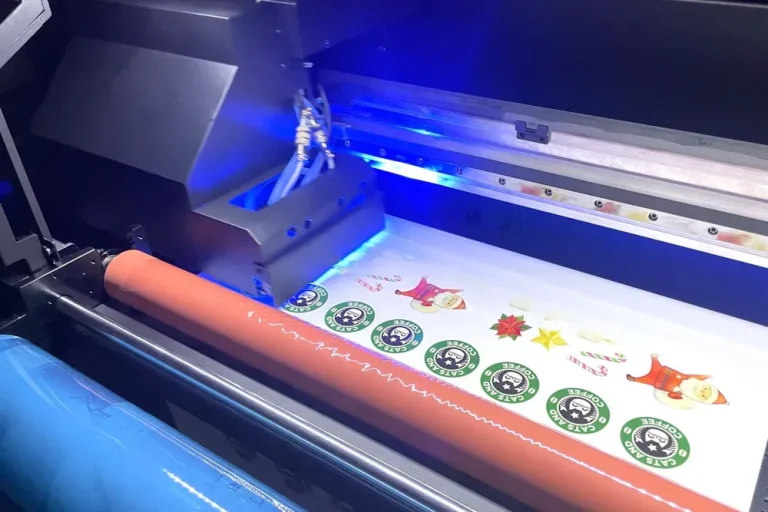
UV DTF printing represents a transformative approach to modern printing technology, bridging the gap between versatility and durability. This innovative technique employs ultraviolet curing to produce high-resolution and vibrant prints on various surfaces, making it increasingly popular among professionals and enthusiasts alike. For beginners eager to delve into this printing method, understanding the UV DTF basics can seem daunting; however, this guide is designed to simplify the process with essential UV printing tips and DTF printing tricks. By mastering these techniques, you can create lasting impressions with your printed materials, be it for promotional items or art projects. Dive into the world of UV DTF printing and discover how this revolutionary technology can elevate your printing capabilities today.
Introducing UV Direct to Film printing, often referred to simply as UV DTF, is an advanced method that combines the best aspects of traditional DTF techniques with the powerful properties of ultraviolet curing. This unique printing process utilizes UV light to solidify specially formulated inks on a film substrate, resulting in striking designs that stand the test of time. Whether you’re a novice or a seasoned professional seeking to hone your skills, grasping the fundamentals of this cutting-edge printing technology is essential. Additionally, as you explore the realm of UV DTF, you’ll uncover various tips and tricks to enhance your printing endeavors effectively. Embrace this exciting innovation as we guide you through its intricacies and benefits.
Introduction to UV DTF Printing Technology
UV Direct to Film (DTF) printing represents a monumental shift in digital printing technology, marrying the resilience of traditional techniques with modern advancements in ultraviolet curing. This process allows for the creation of exceptionally vivid prints that can be applied to many various surfaces, including textiles, plastics, and even wood. The underlying principle involves the use of UV light, which cures the inks as they are printed, resulting in durable, high-quality images that resist wear and fading over time.
For beginners, understanding UV DTF printing means grasping the basics of print technology, substrate compatibility, and finishing methods. However, the intuitive nature of the process also allows users to experiment with various materials and designs to discover their unique applications in promotional merchandise and personal projects.
Understanding Key Components of UV DTF Printing
To successfully implement UV DTF printing, one must invest in the right components that facilitate the overall process. Central to this technique is the UV DTF printer, which is specifically designed to accommodate the unique properties of UV inks. These printers feature advanced print head technologies that ensure high resolution and color accuracy, crucial for producing vibrant images.
Additionally, the selection of UV inks and films can drastically influence the final product quality. UV inks are specially formulated to cure instantly under UV light, whereas choosing the right DTF film enhances adhesion and clarity in prints. Understanding these components is vital as they directly correlate with productivity and the longevity of prints.
Advantages of Using UV DTF Printing
One of the major benefits of UV DTF printing is its adaptability across various substrates. Unlike conventional printing methods that may be limited to specific materials, UV DTF can effectively print on plastics, textiles, metals, glass, and more, enabling businesses to cater to a broader market spectrum. This versatility not only expands product offerings but also serves our environmentally conscious clientele looking for sustainable solutions.
Furthermore, UV DTF printing offers a striking aesthetic advantage. The curing process produces vibrant colors and sharp details, which translates into eye-catching promotional items or custom apparel. As businesses increasingly prioritize high-quality and visually appealing products, UV DTF stands at the forefront of meeting those demands.
Essential Tips for Beginners in UV DTF Printing
For novices diving into the world of UV DTF printing, adhering to specific guidelines can streamline learning. Understanding the importance of film selection is paramount; the right DTF film should exhibit excellent adhesion and flexibility. An informed decision regarding suitable films will significantly impact print fidelity and durability.
Moreover, proper printer maintenance ensures consistency in print quality. Regular calibration and cleaning are essential practices that not only prolong the printer’s lifespan but also enhance output precision. Lastly, testing on various materials prior to production is a smart tactic, as it aids in fine-tuning the settings and adapting designs to suit different substrates.
Common Challenges in UV DTF Printing
Despite its many advantages, UV DTF printing is not without its challenges. One of the most prevalent issues newcomers face is achieving optimal ink adhesion to different substrates. Factors such as surface texture and preparation can heavily influence the success of prints, necessitating thorough research and experimentation.
Environmental conditions pose another significant obstacle. Variations in humidity and temperature can affect ink quality and curing times, leading to inconsistencies in the final product. Aspiring printers must learn to control their workspace environment or adapt their strategies accordingly to mitigate such issues.
Learning Resources for Aspiring UV DTF Printers
As you embark on your UV DTF printing journey, numerous resources are available to assist you. Digital platforms offer a wealth of information through webinars, tutorials, and instructional videos designed to empower both beginners and seasoned professionals. These learning channels cover a range of topics, from machine operation to troubleshooting common issues.
In addition to online resources, joining community forums or local workshops can also provide support and additional learning. Engaging with experienced printers allows newcomers to gain insights, share experiences, and cultivate relationships within the printing industry, enriching their overall understanding of UV DTF printing technology.
Frequently Asked Questions
What is UV DTF printing and how does it work?
UV DTF printing, or Ultraviolet Direct to Film printing, is a modern printing technology that uses UV light to cure inks directly onto a transparent film. This process allows for vibrant colors and durable prints suitable for various materials such as plastics, metals, glass, and textiles.
What are the main advantages of using UV DTF printing?
UV DTF printing offers several advantages including high durability against scratches, fading, and water damage. Its versatility also allows printing on a wide range of substrates, making it ideal for promotional items, customized apparel, and signage.
What equipment is necessary for starting UV DTF printing?
To start UV DTF printing, you’ll need specific equipment including a UV DTF printer, UV inks formulated for curing, a heat press for transferring prints, and high-quality DTF film that ensures good adhesion and flexibility.
What tips can beginners follow when using UV DTF printing?
Beginners should understand the types of DTF films, maintain their printers through regular calibration, adjust UV light curing settings according to material properties, and conduct test runs on various substrates to optimize print quality.
How can environmental conditions impact UV DTF printing quality?
Environmental factors such as humidity and temperature greatly influence the quality of UV DTF prints. Maintaining stable conditions is crucial to ensure proper ink adhesion and to minimize printing issues.
Are there any recent innovations in UV DTF printing technology?
Yes, recent innovations in UV DTF printing technology focus on enhancing speed and print resolution while introducing eco-friendly UV inks. These advancements cater to markets looking for sustainable and efficient printing solutions.
| Key Points | Description |
|---|---|
| Introduction to UV DTF Printing | An emerging technology that simplifies the printing process for beginners through essential tips. |
| Understanding UV DTF Printing | Combines durability of traditional DTF with UV curing for vibrant, long-lasting prints. |
| Key Components Required | UV DTF printer, UV inks, heat press, and high-quality film are essential for successful printing. |
| Advantages | Versatile printing on various substrates like plastics, metals, glass, and textiles. |
| Essential Tips for Beginners | Understand film types, maintain printers, adjust curing settings, and conduct tests. |
| Common Challenges | Ink adhesion issues and environmental control affecting print quality. |
| Recent Innovations | Enhancements in speed and eco-friendly inks respond to sustainability demands. |
| Resources for Learning | Webinars, workshops, and online communities offer valuable insights and support. |
Summary
UV DTF printing is a cutting-edge method that revolutionizes the printing industry by combining the advantages of traditional DTF printing with the innovative technology of UV curing. This process utilizes UV light to ensure vibrant and durable prints that adhere well to a wide variety of surfaces. As you embark on your journey in UV DTF printing, you’ll discover an array of robust applications, from custom apparel to promotional items. Embrace the learning curve by understanding essential components, practical tips, and resources available to you. By doing so, you will not only enhance your printing skills but also tap into the dynamic capabilities offered by UV DTF printing, making it an invaluable asset in your creative projects.