
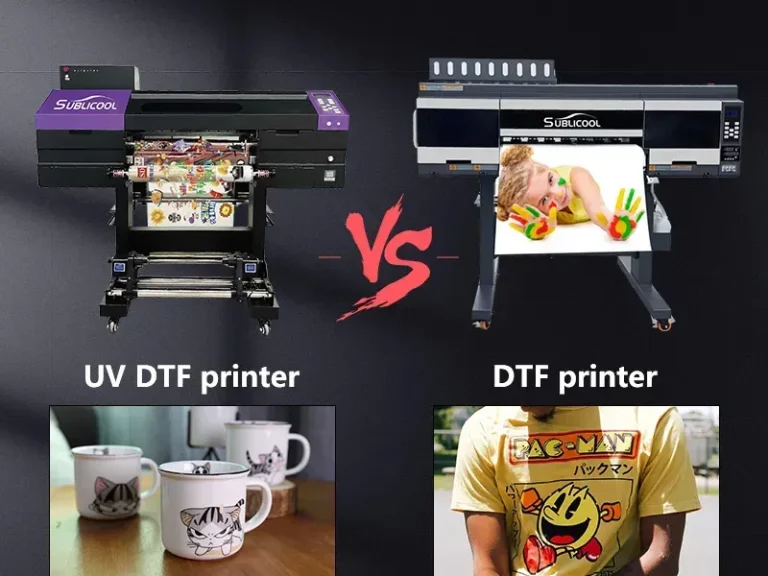
When it comes to choosing between UV DTF and traditional printing, understanding the nuances of each method is essential for designers and businesses alike. UV Direct to Film (DTF) printing has emerged as a revolutionary technique that offers vibrant colors and high-resolution details, providing a compelling alternative to time-tested methods such as screen printing and offset printing. This comparison will dive into the advantages and limitations of both UV DTF and conventional techniques, such as digital printing, helping you make an informed decision for your next project. As the printing landscape evolves, knowing the differences between these prints not only impacts quality but also cost and environmental considerations. Join us as we explore how UV DTF stands against traditional printing methods and discover which may best suit your specific needs.
In the realm of modern print technology, the debate between UV Direct to Film (DTF) and conventional printing practices is gaining momentum. With terms like UV printing, screen printing, and digital printing on the table, businesses must navigate a diverse array of options. Understanding these techniques and their functionalities can significantly affect both the aesthetic and practical outcomes of printed materials. Traditional printing methods, including offset printing, have long established themselves as reliable, but advancements in DTF printing technology are reshaping industry standards. By analyzing both approaches, we can illuminate the distinct features and potential benefits offered by each to aid in your decision-making process.
The Rise of UV DTF Printing
UV DTF printing is quickly gaining traction in the printing industry due to its revolutionary approach and impressive output quality. This method employs ultraviolet light to cure inks while they are printed onto a special film, making it suitable for an extensive range of substrates, including fabric, plastic, and wood. Unlike traditional printing techniques, which often rely on a longer setup time and equipment adjustments, UV DTF allows for a more streamlined process that can handle diverse printing needs with rapid turnaround times. As a result, it has become a preferred choice for businesses that require both versatility and speed in fulfilling their order demands.
Additionally, UV DTF printing offers vibrant color reproduction with exceptional detail clarity. This capability is particularly beneficial for intricate designs and custom artwork, where fine details can make a substantial difference. By using high-quality UV ink, designs not only appear more vivid but also exhibit better durability, resisting wear over time. The advancements in this printing method are crucial as they reflect the industry’s shift towards more innovative, efficient solutions that cater to the evolving landscape of customer demands.
Traditional Printing Methods Explained
Traditional printing techniques, including screen printing, offset printing, and digital printing, have been the cornerstones of the print industry for decades. Screen printing is highly favored for its ability to produce vibrant colors and durable prints, making it ideal for larger orders and outdoor materials. However, it often struggles with finer details due to its stencil-based approach, which can be limiting for more intricate designs. This technique is particularly well-suited for companies looking to produce consistent designs in bulk, yet it may not be the best option for short runs or personalized items.
Conversely, offset printing shines in high volume scenarios, offering exceptional quality and precise color accuracy that appeal to businesses requiring large quantities of printed material, such as magazines and brochures. The notable drawback, however, is the higher initial setup cost, which can be prohibitive for small businesses. Digital printing presents an alternative, emphasizing adaptability and rapid output for smaller print runs, but it may compromise on durability compared to UV DTF. Therefore, understanding these traditional methods is vital for businesses aiming to optimize their printing processes based on specific project demands.
UV DTF vs Traditional Printing: A Direct Comparison
When comparing UV DTF and traditional printing methods, one cannot overlook the differences in image quality and production capabilities. UV DTF printing excels in yielding high-resolution images with a wide color gamut, enabling the reproduction of intricate designs with remarkable precision. Traditional methods such as screen and offset printing can struggle with details and color intensity in comparison, particularly in custom tasks that require accuracy and fine lines. This makes UV DTF an excellent choice for graphic designers and businesses looking to create visually stunning prints without compromising on quality.
Moreover, the efficiency of UV DTF becomes apparent when considering production speed. Unlike traditional printing methods that may require extensive setup times, UV DTF allows for quick adjustments and immediate output. This aspect is particularly beneficial in the fast-paced world of design and merchandising where time is of the essence. The economical advantage of UV DTF also manifests in short-run jobs, where traditional methods might lead to increased costs due to higher material wastage and labor, solidifying UV DTF’s position as a forward-thinking solution in the ever-evolving printing landscape.
Cost-Effectiveness in Printing Techniques
The financial aspect of printing can significantly influence a business’s choice of printing methods. In traditional printing, particularly with methods like screen printing, the initial costs can often be lower per item when dealing with mass production. However, this price advantage dwindles when only small quantities or short runs are required. Conversely, UV DTF printing is recognized for its low setup costs and minimal material waste, allowing businesses to save significantly when fulfilling small orders or custom designs. As such, UV DTF presents a cost-effective solution that caters to the contemporary need for flexibility and quick turnaround times.
Furthermore, the long-term savings associated with UV DTF cannot be overlooked. The durability of UV-curing inks ensures that prints maintain their vibrancy and integrity over time, which translates to fewer reprints and customer complaints regarding quality. For companies heavily invested in their brand image or those aiming to create long-lasting products, this durability can mitigate costs associated with customer service and replacement products in the long run. Therefore, it becomes crucial for businesses to evaluate their print needs and consider UV DTF as a viable alternative to traditional methods in terms of overall cost efficiency.
Environmental Considerations in Printing
As sustainability becomes increasingly pivotal in manufacturing, the printing industry is not exempt from these environmental concerns. Traditional printing methods, particularly those utilizing solvent-based inks, can result in high volatile organic compound (VOC) emissions that contribute to air pollution and pose health risks to workers and communities. In contrast, UV DTF printing significantly reduces these emissions by using UV-curable inks that contain lower levels of VOCs. This shift towards greener alternatives not only aligns with global sustainability efforts but also appeals to eco-conscious consumers.
Choosing an environmentally friendly printing method can also enhance a brand’s image. Companies that prioritize sustainable practices are more likely to engage a customer base that values ethical consumption. Moreover, regulations surrounding printing and emissions are becoming stricter, making it essential for businesses to adapt. By embracing UV DTF printing, businesses can combine quality with responsible practices, resulting in an appealing proposition for customers looking to support sustainable brands.
Trends in the Printing Industry
The printing industry is undergoing a transformative phase, with UV DTF printing leading the charge towards modern innovations. As businesses seek to streamline their processes and enhance product offerings, the shift from traditional methods to newer technologies like UV DTF reflects an industry-wide trend towards efficiency and quality. This transition is not just limited to selecting methods; advancements in digital printing technology are reshaping how products are designed, produced, and delivered, enabling a more responsive approach to consumer demands.
Additionally, the ongoing development in UV DTF capabilities continues to broaden its applications across various sectors, including promotional merchandise, apparel, and signage. As brands increasingly recognize the advantages of UV DTF in terms of speed, detail, and sustainability, it likely signifies a longer-term shift in industry standards. Moving forward, businesses will need to stay abreast of these trends to ensure they meet consumers’ expectations and remain competitive in the ever-evolving printing landscape.
Frequently Asked Questions
What are the key differences between UV DTF printing and traditional printing methods?
UV DTF printing stands out from traditional printing methods, such as screen printing and offset printing, due to its ability to produce vibrant colors and high-resolution images with detailed reproductions. Traditional techniques may struggle with fine details and require higher setup costs, while UV DTF offers faster production times and is more suitable for custom jobs.
Is UV DTF more cost-effective than traditional printing methods?
UV DTF is generally more economical for short production runs compared to traditional printing methods like screen printing, which is ideal for larger volumes. With lower setup costs and reduced material waste, businesses can enjoy considerable savings when opting for UV DTF for smaller orders.
How does the durability of UV DTF printing compare to traditional printing techniques?
The durability of UV DTF printing surpasses that of many traditional methods. UV DTF inks cure upon exposure to UV light, forming a robust layer that is resistant to scratches and fading, making them ideal for various materials. In contrast, traditional methods like digital printing may not offer the same level of longevity on certain surfaces.
What environmental advantages does UV DTF printing have over traditional printing methods?
UV DTF printing is often seen as more environmentally friendly compared to traditional printing methods. It typically has lower volatile organic compound (VOC) emissions, which can reduce the ecological impact associated with printing. This eco-friendliness makes UV DTF a preferred choice for businesses focusing on sustainability.
In what industries is UV DTF printing gaining popularity compared to traditional printing methods?
UV DTF printing is rapidly gaining traction in industries such as fashion, merchandise, and signage, due to its efficiency, quality, and ability to cater to customized projects. As businesses seek to enhance their printing capabilities, UV DTF proves to be an attractive alternative to traditional methods.
Can UV DTF replace traditional printing methods for all projects?
While UV DTF offers many advantages, including high resolution and quick turnaround, it may not be the best fit for all projects. Traditional printing methods, such as screen printing, still excel in high-volume orders due to cost-effectiveness, making the choice between UV DTF and traditional printing techniques dependent on specific project needs.
| Aspect | UV DTF Printing | Traditional Printing Techniques |
|---|---|---|
| Process | Uses UV-based inks cured by UV light; prints on various materials. | Includes methods like screen, offset, and digital printing. |
| Advantages | Vibrant colors, intricate details, quick production times. | Durable for large runs; excellent color clarity for bulk orders (offset). |
| Quality and Detail | High-resolution images with vibrant colors; ideal for intricate designs. | May struggle with fine details; more suited for simple designs. |
| Cost-Effectiveness | More economical for short runs; lower setup costs. | Lower costs for large production runs; potentially higher for small orders. |
| Environmental Impact | Lower VOC emissions; eco-friendly. | Higher VOC emissions; may contain harmful chemicals. |
| Industry Trends | Increasingly adopted across fashion, merchandise, and signage sectors. | Established but adapting to new technologies and market demands. |
Summary
In the discourse of UV DTF vs Traditional Printing, it is vital to recognize how UV DTF represents a modern evolution in printing methods. By utilizing cutting-edge technology, UV DTF printing achieves superior quality and efficiency, making it an attractive option for contemporary businesses. Traditional printing techniques, while still valuable for bulk orders, often struggle to match the detail and environmental sustainability offered by UV DTF. As industries shift towards eco-friendliness and demand for rapid, customizable solutions grows, understanding the nuances of these printing techniques will empower businesses to make more informed decisions tailored to their specific needs.