
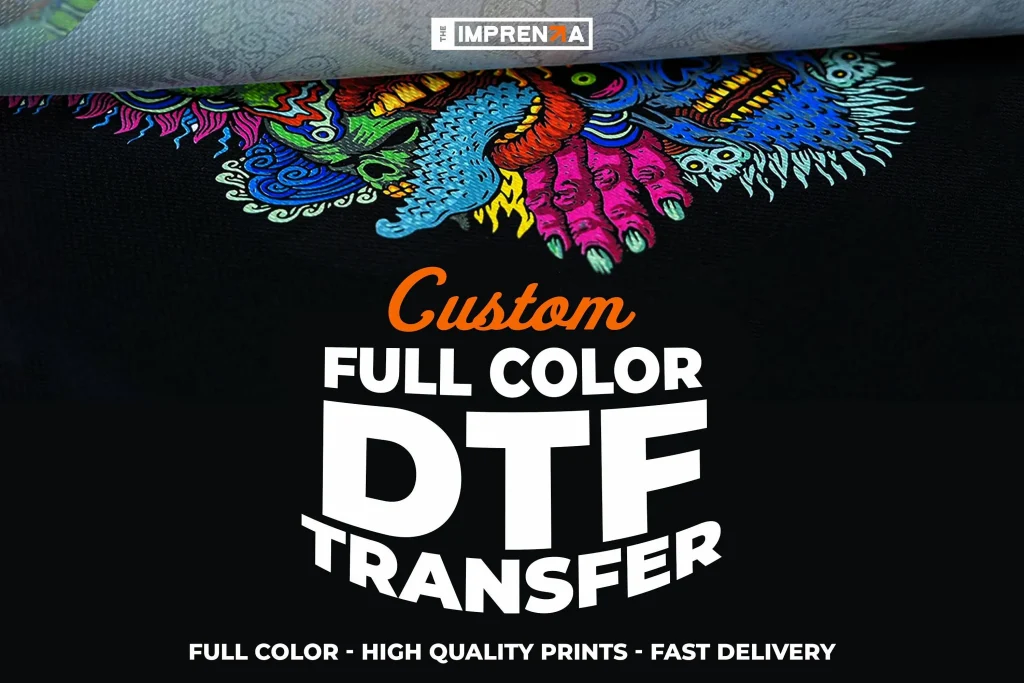
In the dynamic world of custom merchandise, DTF transfers have emerged as a game-changing innovation, promising to reshape how we view apparel decoration. Direct-to-Film (DTF) printing is revolutionizing the industry by allowing designers to create vibrant and durable prints on a variety of fabrics with ease. As businesses increasingly seek ways to cater to growing consumer demands for high-quality apparel, DTF technology stands out for its versatility and cost-effectiveness. Moreover, with a rising focus on sustainable fashion, DTF transfers are appealing to eco-conscious retailers looking to reduce their environmental footprint. This article delves into the myriad reasons why DTF transfers are set to become integral to the future of custom merchandise.
Direct-to-Film printing, often referred to simply as DTF, is part of a revolutionary chapter in the realm of personalized products. This innovative approach to creating custom merchandise allows for stunning graphics to be printed on films before being seamlessly applied to a range of items, making it a favored choice among entrepreneurs. The technology behind direct-to-film printing not only enhances the quality and durability of designs but also caters to a broad audience thanks to its flexibility across different materials. In a time when sustainable fashion is on the rise, the eco-friendly aspects of DTF further elevate its appeal to modern consumers. As we explore this technique, it becomes clear that DTF transfers are more than just a trend; they represent a substantial step forward in the merchandise production landscape.
Understanding DTF Printing and Its Process
Direct-to-Film (DTF) printing has revolutionized the custom merchandise industry by providing an innovative and efficient way to transfer designs onto various substrates. The DTF process begins with printing high-resolution images onto a specially coated film with eco-friendly inks. Unlike traditional screen printing, which requires multiple steps and extensive setup, DTF simplifies the workflow by allowing designs to be printed quickly and directly onto a film. This adaptability means businesses can produce detailed, colorful prints that maintain their integrity over time.
Once the design is printed onto the film, it is coated with a special adhesive powder that helps in the transfer process. The film is then placed on the desired fabric (like cotton or polyester), and heat is applied using a heat press. This combination of heat and pressure activates the adhesive, ensuring that the vibrant print bonds securely to the fabric. The result is a durable and high-quality finish that stands up to washing and wear, making DTF an ideal choice for custom apparel and promotional products.
The Benefits of DTF Transfers in Custom Merchandise
One of the most compelling advantages of DTF transfers is their ability to produce high-quality prints with vibrant colors. Unlike other printing methods that may suffer from fading or cracking, DTF prints are designed to withstand regular use. This durability ensures that custom merchandise, such as t-shirts and hoodies, looks great even after multiple washes, providing a lasting impression on customers. For brands aiming to maintain a professional image, this longevity is crucial as it enhances customer satisfaction and fosters brand loyalty.
DTF transfers also cater to a wide range of applications beyond just clothing. This technology is versatile enough to be used on various substrates, including bags, hats, and even home décor items, allowing businesses to diversify their product offerings. With the ability to print on both light and dark fabrics, DTF opens up new avenues for creativity, enabling custom merchandise producers to cater to diverse consumer preferences and market demands.
Sustainability in DTF Printing
In today’s environment-conscious market, sustainability has become a focal point for many consumers. DTF printing technology aligns perfectly with this trend, offering a more eco-friendly alternative to traditional printing methods. Many DTF printers utilize water-based inks that are less harmful to the environment, and the reduced waste from not requiring screens or excessive chemicals makes it an attractive option for eco-conscious businesses wishing to engage with sustainable fashion.
Moreover, by adopting DTF technology, businesses can appeal to the growing segment of consumers who prioritize sustainability in their purchasing decisions. This alignment with eco-friendly practices not only enhances a company’s brand image but also positions it strategically within a competitive market, where transparency and responsibility are increasingly valued by consumers.
Cost-Effectiveness and Scalability of DTF Printing
Cost-effectiveness is another vital advantage of DTF printing that appeals particularly to small businesses and startups. Unlike traditional screen printing methods, which often involve hefty setup costs and minimum order requirements, DTF printing enables companies to produce small batches efficiently and affordably. This flexibility allows emerging brands to offer custom merchandise without overwhelming financial risks, making it easier to test new designs and products in the market.
Additionally, DTF processes are highly scalable, meaning that as demand increases, businesses can easily ramp up production without investing in large-scale equipment or labor. This scalability is particularly beneficial for companies wishing to expand their product lines or respond quickly to market trends. For businesses looking to thrive in a competitive landscape, this blend of cost-effectiveness and scalability positions DTF printing as an essential asset.
User-Friendly Nature of DTF Transfers
The user-friendly nature of DTF transfers has democratized the custom merchandise industry, allowing even novice users to create high-quality products. Recent advancements in DTF technology mean that equipment is now more accessible and easier to operate, which is perfect for entrepreneurs beginning their journey in custom printing. These advancements encourage creativity and experimentation, enabling users to produce unique designs without the fear of complicated processes.
This user-centric approach has led to a surge of interest from individuals and small businesses wanting to tap into the custom merchandise market. With easy-to-follow instructions and simplified systems, the barrier to entry has been lowered significantly, empowering more creators to engage in the field of custom merchandise production. The accessibility of DTF technology ultimately fosters a vibrant community of designers and entrepreneurs who can all contribute to the evolving landscape of custom products.
Future Trends of DTF in the Custom Merchandise Market
As the custom merchandise landscape continues to evolve, DTF printing is poised to play a pivotal role in shaping the future of this industry. With its efficient processes and high-quality output, DTF technology is becoming a staple for businesses looking to innovate and differentiate themselves in an increasingly crowded market. The trend toward personalization is also likely to drive further adoption of DTF, as consumers increasingly seek unique products that reflect their individual styles.
Furthermore, the ongoing advancements in DTF technology, including improved ink formulations and equipment reliability, are likely to make this printing method even more appealing to a wider array of businesses. As companies embrace digital transformation, DTF printing stands out by blending quality with efficiency, ensuring that innovators in the custom merchandise space can keep pace with consumer demands. Ultimately, the future of DTF transfers looks promising, representing not just a trend but a foundational change in how custom products are produced.
Frequently Asked Questions
What are DTF transfers and how do they work in custom merchandise?
DTF transfers, or Direct-to-Film transfers, involve printing designs onto a special film that is then heat-pressed onto various materials like fabric. This process allows businesses to create high-quality custom merchandise with vibrant graphics that are durable and resistant to fading.
Why should businesses choose DTF printing for their custom merchandise?
DTF printing is cost-effective and scalable, making it ideal for small businesses. It allows for quick production without the lengthy setups required by traditional screen printing, enabling businesses to offer high-quality custom merchandise at competitive prices.
How do DTF transfers contribute to sustainable fashion practices?
DTF transfers use eco-friendly inks and production practices, aligning with the growing demand for sustainable fashion. By adopting DTF technology, businesses can attract eco-conscious consumers while reducing their environmental impact.
Can DTF transfers be applied to various materials?
Yes, DTF transfers are versatile and can be used on various substrates, including cotton, polyester, and blends, as well as non-textile surfaces. This versatility allows businesses to expand their custom merchandise offerings and cater to a broader audience.
What are the quality benefits of using DTF transfers for custom apparel?
DTF transfers produce high-resolution images that maintain their quality and vibrancy through multiple washes, making them ideal for custom apparel. The durability of DTF prints ensures that merchandise stands the test of time, which is crucial for customer satisfaction.
How user-friendly is DTF printing for beginners in the custom merchandise industry?
DTF printing systems are designed to be user-friendly, making it accessible for beginners. Recent advancements in technology empower new entrepreneurs to confidently enter the custom merchandise space and produce high-quality items without extensive training.
| Key Points | Details |
|---|---|
| What is DTF Printing? | Direct-to-Film (DTF) printing uses a special film to transfer designs onto materials such as fabric through heat and pressure. |
| High Quality and Durability | High-resolution prints that can withstand washing without fading or cracking. |
| Cost-Effective and Scalable | Minimizes setup time and speeds up production compared to traditional methods. |
| Versatile Applications | Can print on various materials, enhancing product line diversity. |
| Sustainability Factors | Utilizes eco-friendly inks and practices to meet consumer demands for sustainable products. |
| Growing Adoption Among Retailers | Increasing investment and integration of DTF technology by businesses and custom merchandising companies. |
| Ease of Use | User-friendly advancements are allowing novices to engage easily with custom merchandise production. |
Summary
DTF Transfers are reshaping the landscape of custom merchandise, offering a blend of high-quality output, cost-effectiveness, and sustainable practices that appeal to both businesses and consumers. As industries strive for innovation, the rise of DTF technology signals a transformative shift towards maximizing creative possibilities while minimizing environmental impact. Businesses embracing DTF Transfers are not only enhancing their product offerings but are also actively participating in a market that favors durable and eco-conscious solutions—paving the way for a more resilient future in the merchandising industry.