
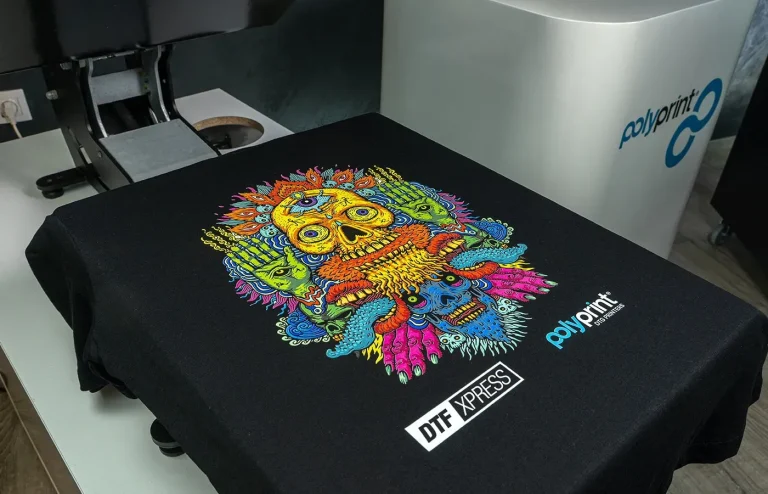
In the dynamic landscape of modern print technology, DTF printing, or Direct-to-Film printing, has emerged as a game-changer for those in search of vibrant designs and high-quality custom apparel. This innovative method enables creatives and small business owners to transfer intricate images onto textiles with ease and precision. With DTF printing, you can produce eye-catching designs that stand out, making it a perfect choice for personalized clothing items. Its versatility allows for application on a range of materials, providing flexibility that traditional printing methods often lack. As we explore this comprehensive guide, you’ll uncover the remarkable advantages of DTF printing and how it can elevate your custom apparel projects.
Exploring the realm of custom garment production, one cannot overlook the significance of Direct-to-Film printing, a technique synonymous with efficiency in transferring vivid graphics directly onto fabric. Often referred to as DTF, this printing method offers unparalleled versatility, allowing for a diverse range of fabrics to be adorned with stunning designs. The process involves the strategic use of gang sheets, a clever way to print multiple images together, optimizing material usage and reducing waste. As we dive deeper into this topic, you’ll learn about the key benefits and practical applications of DTF, showcasing why it has quickly become a favorite among enthusiasts and professionals alike.
Exploring the Fundamentals of Direct-to-Film Printing
Direct-to-Film (DTF) printing has revolutionized the way designs are transferred onto fabrics, allowing for intricate and vibrant prints that are hard to achieve with other methods. This innovative printing technique works by first printing an image onto a specialized film, which is then applied to the chosen fabric using heat and pressure. The process is relatively straightforward, making it increasingly popular among both hobbyists and professionals looking to create customized apparel efficiently.
One of the key strengths of DTF printing lies in its versatility. Unlike some traditional methods, which may be restricted to certain fabrics or require extensive preparation, DTF printing can be utilized on a wide array of materials, including cotton, polyester, and blended fabrics. This adaptability not only broadens the potential applications for custom apparel but also allows for the production of unique designs that cater to diverse tastes.
Benefits of DTF Printing in the Custom Apparel Industry
The advantages of DTF printing extend far beyond its initial setup and versatility. For small business owners and entrepreneurs in the custom apparel sector, DTF printing offers an economically efficient solution. It requires less setup time compared to traditional screen printing, making it ideal for companies that cater to smaller batch orders. Furthermore, the prints created through this method boast remarkable durability and vibrant color retention, ensuring that apparel not only looks good but also stands the test of time.
Another significant benefit of DTF printing is its cost-effectiveness, especially for low-volume productions. The ability to print directly onto film simplifies the process, reducing the overall cost per unit when compared to other methods that involve multiple steps and additional materials. As such, this technology enables new businesses to enter the custom printing market without the heavy financial burden associated with other printing techniques.
Understanding Gang Sheets in DTF Printing
Gang sheets are a breakthrough concept in DTF printing that greatly enhances efficiency and reduces material waste. By allowing several designs to be printed on a single film sheet, gang sheets optimize the use of resources while speeding up the production process. This method not only cuts costs for businesses but also allows designers to showcase a variety of designs in one print run, which can be particularly beneficial for fulfilling diverse customer requests.
In addition to practicality, gang sheets promote creativity and experimentation in design. Designers can mix and match different graphics on a single sheet, providing a platform for innovative ideas while keeping printing costs down. The utilization of gang sheets aligns perfectly with the growing trend of personalization in custom apparel, enabling businesses to respond to clients’ unique tastes efficiently.
Comparing DTF Printing with Other Techniques
As the custom apparel industry evolves, many businesses find themselves comparing DTF printing with traditional techniques such as sublimation and screen printing. Unlike sublimation, which requires higher polyester content, DTF printing maintains print quality across various fabric types, including cotton and blends. This flexibility opens up many more possibilities for businesses aiming to cater to a broader audience.
Moreover, screen printing often necessitates multiple screens for different colors, making it a more labor-intensive and time-consuming process. DTF printing, by contrast, thrives on its ability to reproduce complex designs in a single run, significantly reducing production time and increasing efficiency. This aspect has made DTF the preferred choice for many who value time and versatility in their printing operations.
Current Trends in the DTF Printing Market
The landscape of DTF printing is rapidly changing, marked by an increase in hobbyist engagement and a rise in demand for printing supplies. As individuals delve into custom apparel production, there has been a parallel growth in sales of DTF printers and necessary materials, highlighting a burgeoning trend within the industry. Small businesses are increasingly adopting this technology to diversify their product offerings and compete in a saturated market, where personalized apparel is in high demand.
Recent advancements by leading companies such as Snuggle and Eazydtf indicate that the market is responding dynamically to this growing interest. These companies are investing in technologies that enhance the efficiency of DTF printing, showcasing an understanding of market needs. As a result, businesses can now meet customer demands more effectively, with quicker turnaround times and improved print quality, further driving the popularity of DTF printing.
Getting Started with DTF Printing
For those looking to get started with DTF printing, understanding the basic requirements and equipment needed is crucial. Investments in a reliable DTF printer, specialized inks, and transfer films are foundational for anyone wanting to produce high-quality prints. Additionally, having a heat press is essential for transferring the designs accurately to the fabric. As one dives into this process, it’s important to familiarize oneself with the materials to ensure optimal print quality.
Moreover, engaging with online communities and tutorials can provide valuable insights and tips from experienced DTF printers. The learning curve may appear steep at first, but with practice and experimentation, anyone can master the art of DTF printing. Whether it’s for personal projects or a new business venture, diving into DTF can be a rewarding experience that unleashes creativity and opens doors to custom apparel production.
Frequently Asked Questions
What is DTF printing and how does it work?
DTF printing, or Direct-to-Film printing, is a method that involves printing designs onto a specialized film which is then used to transfer graphics onto fabrics. The process begins with ink being printed onto the film, followed by applying an adhesive powder. After curing, heat and pressure are used to transfer the design onto the chosen textile, making it perfect for custom apparel printing.
What are the advantages of choosing DTF printing over traditional methods?
DTF printing offers several advantages including versatility across various fabrics like cotton and polyester, high-quality vibrant colors that are long-lasting, and cost-effectiveness for small batch orders. Additionally, the straightforward application using heat allows for quick and easy customization, ideal for both hobbyists and small businesses.
How do gang sheets optimize DTF printing?
Gang sheets in DTF printing enable users to print multiple designs on a single film sheet, maximizing efficiency and reducing waste. This technique not only saves time and resources but also provides creative flexibility, allowing designers to experiment with a variety of designs for custom apparel on one transfer, enhancing productivity.
Can DTF printing be used on all types of fabrics?
Yes, DTF printing is versatile and can be used on a wide range of fabrics, including cotton, polyester, and fabric blends. This flexibility sets DTF apart from other methods like sublimation, which is limited to synthetic fabrics. Therefore, DTF is ideal for custom apparel across various textile types.
What is the setup process for DTF printing?
The setup process for DTF printing is relatively simple. First, the desired design is printed onto a special film using DTF inks. Following that, an adhesive powder is applied to the wet ink. After curing the film, it is ready for transfer to the fabric using heat and pressure, making it accessible for beginners and professionals alike.
How does DTF printing compare to screen printing and sublimation?
DTF printing generally surpasses screen printing and sublimation in terms of versatility and detail. Unlike screen printing, which requires a separate setup for each color, DTF allows for vibrant multi-color designs without extensive labor. Compared to sublimation, which is limited to polyester fabrics, DTF can be used on various materials, making it a more accessible option for custom apparel printing.
| Key Points | Details |
|---|---|
| What is DTF Printing? | A printing process where designs are printed onto a special film, then transferred to fabric with heat. |
| Advantages | Versatile, high quality, cost-effective for small batches, and easy to apply. |
| Gang Sheets | Layouts that group multiple designs for efficiency and reduced waste. |
| Market Trends | Growth in hobbyist market, advancements by companies enhancing efficiency. |
| Comparison with Other Techniques | DTF offers flexibility over sublimation and is less labor-intensive than screen printing. |
Summary
DTF Printing is revolutionizing the world of custom apparel production by providing a versatile and efficient method for creating intricate designs on various fabrics. Unlike traditional printing methods, DTF Printing allows for vibrant, high-quality prints that do not fade easily, making it a favored choice among DIY enthusiasts and small business owners alike. With its cost-effective approach for small batches and the innovative use of gang sheets, which optimize film usage, DTF Printing stands out as a superior option. As the market for DTF continues to grow, the potential for creativity and efficiency in custom printing expands, offering unlimited possibilities for those looking to explore this technology.