
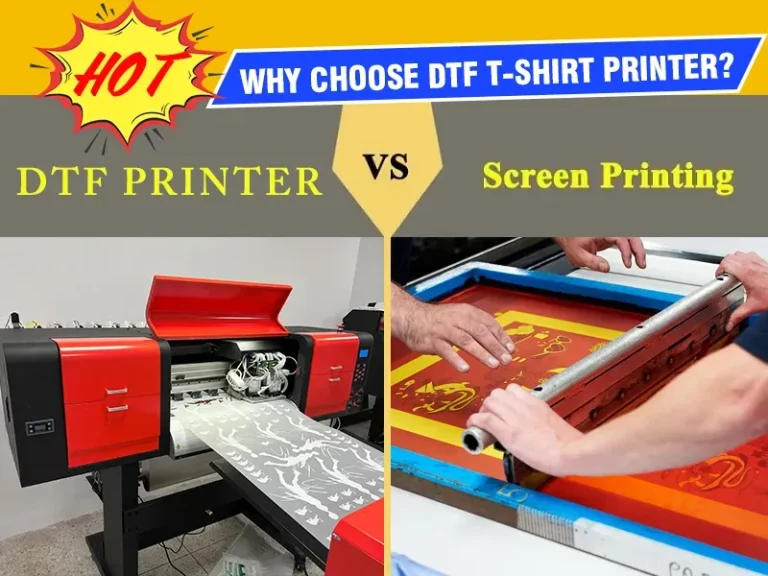
In the competitive realm of custom apparel printing, understanding the nuances of DTF vs Screen Printing is vital for businesses looking to optimize their production methods. Direct-to-Film (DTF) printing has emerged as a revolutionary technique that offers unique benefits over traditional screen printing, enhancing sustainability and decreasing waste. While DTF printing focuses on efficiency and eco-friendly practices, screen printing remains a trusted option for those seeking vibrant colors and durability. This article will delve into the printing technology comparison between these two methods, helping you determine which aligns better with your operational goals. With the ever-growing demand for customization in apparel, knowing the strengths and weaknesses of each approach can empower your business to thrive in this evolving market.
When considering your options for apparel decoration, the debate between DTF and traditional screen printing is ever-present. These techniques, often referred to as modern printing methods, cater to various business requirements and production scales. As we explore the contrasts between digital film transfer and the classic mesh technique, we will highlight their distinct features, advantages, and the implications of each approach for custom apparel creation. With the rise of eco-friendly printing options, businesses are increasingly looking for sustainable solutions in their printing projects. This overview aims to clarify these choices, allowing you to select the ideal method that meets your quality, budgetary, and environmental standards.
Understanding DTF Printing in Depth
Direct-to-Film (DTF) printing has emerged as a revolutionary technique in the world of custom apparel printing. By transferring designs from specialized films onto various fabrics, DTF printing offers detailed prints with vibrant color reproduction. Compared to other printing methods, it requires minimal setup and can accommodate various fabric types, making it a favored choice for businesses aiming to cater to diverse customer preferences and rapid market demands.
Moreover, DTF printing is particularly appealing for those focused on eco-friendly practices. Traditional printing methods often generate excess waste, both in terms of materials and ink. Conversely, DTF maximizes efficiency, using only the necessary amount of ink and minimizing scraps. This makes it an excellent choice for modern businesses looking to enhance their sustainability profile while producing high-quality custom apparel.
The Advantages of Screen Printing for Bulk Orders
Screen printing has been a staple in the apparel industry for decades, particularly noted for its ability to produce vibrant and durable designs. This method is particularly advantageous for larger bulk orders, where the per-unit cost decreases significantly. Screen printing achieves high-quality results through its ability to layer colors and utilize various inks that provide a rich finish on fabrics. For businesses working on promotional items or large-scale events, screen printing remains a reliable choice.
On the downside, screen printing requires a higher initial investment due to the setup costs associated with preparing screens and designing for each color. This can make it less suitable for smaller runs or less frequent orders. However, for businesses that have a consistent and high volume of print needs, embracing screen printing can greatly enhance production capabilities and overall quality.
Eco-Friendly Printing Practices in DTF
As consumers increasingly seek sustainable products, the eco-friendly aspects of DTF printing highlight its attractiveness in today’s market. DTF technology is notable for its reduction of waste, both in fabric and ink usage. Since it uses a digital printing approach, only the required amounts of materials are utilized, significantly lowering the environmental footprint associated with traditional printing methods.
Additionally, many DTF inks are crafted with environmentally friendly formulations. This not only reduces harmful emissions associated with harmful chemicals but also caters to an audience that prioritizes sustainability in their buying decisions. Businesses embracing DTF can appeal to environmentally conscious consumers, thus establishing a strong brand reputation built on sustainable practices.
Cost Comparison: DTF vs. Screen Printing
When evaluating the economic feasibility of printing methods, DTF proves to be more viable for smaller businesses or startups that require flexibility. The reduced initial setup costs and lower ink consumption make DTF printing an appealing option for low-to-medium output scenarios, allowing businesses to explore various designs without incurring high overhead.
Screen printing, while more cost-effective for large production runs, can impose a higher barrier to entry due to its setup requirements. This can lead to smaller orders being prohibitively expensive. As such, understanding these cost implications is vital for businesses looking to choose the right printing method that aligns with their volumes and financial objectives.
Quality and Versatility of Printing Methods
Quality is paramount in the printing industry, and both DTF and screen printing offer unique strengths in this aspect. Screen printing excels in producing bold colors and designs that withstand wear, making it perfect for promotional apparel that needs to endure. Its ability to apply thick layers of ink allows for superb color fidelity, especially for simple graphics with a limited color palette.
On the flip side, DTF printing is increasingly improving in terms of quality, allowing for the reproduction of intricate, multi-colored designs that include photographic images. This process supports a wide range of fabric types, enhancing its versatility. Businesses can confidently use DTF for complex designs that were traditionally difficult to achieve, thus bridging gaps in the creative potential available in custom apparel.
Flexibility and Adaptability in Production
Modern businesses must often adjust swiftly to market changes, and in this regard, DTF printing outshines many traditional methods. The flexibility inherent in DTF allows businesses to expeditiously adapt designs and production rates to meet varying customer demands. This is particularly advantageous for custom shops or print-on-demand services where agility can significantly influence sales.
Screen printing, while effective for consistent designs, can struggle with fast adjustments due to setup complexity. Each change in design or color can require a significant time investment for reconfiguration. For businesses that prioritize quick turnaround and the ability to respond to trends, DTF presents a competitive edge.
Frequently Asked Questions
What is DTF printing and how does it compare to screen printing?
DTF printing, or Direct-to-Film printing, is a newer technology that transfers printed designs onto fabrics using heat. Unlike screen printing, which uses mesh screens to apply ink, DTF offers eco-friendly benefits and is suitable for various fabric types, making it more adaptable for custom apparel printing.
Is DTF printing more eco-friendly than screen printing?
Yes, DTF printing is considered more eco-friendly than screen printing. It generates less waste, using fewer materials and ink, which addresses environmental concerns in the apparel industry. Screen printing typically involves higher waste due to excess inks and setup processes.
What are the cost differences between DTF and screen printing?
DTF printing often has lower initial setup costs compared to screen printing, making it attractive for startups. While screen printing can be more economical for large batches, it requires significant overhead for smaller orders, making DTF a better choice for low-volume custom apparel printing.
Which printing technology offers better design capabilities, DTF or screen printing?
Both DTF and screen printing have unique advantages. Screen printing excels in vibrant color reproduction for solid colors, while DTF allows for intricate designs, including photographic images, on various fabric types. This versatility makes DTF increasingly preferred for detailed custom designs.
Can DTF printing handle large orders compared to screen printing?
DTF printing is highly versatile and efficient for both small and medium-sized orders. While screen printing is traditionally better for large runs due to its speed and cost-effectiveness, DTF’s ability to print short runs without extensive setup changes can be beneficial for fluctuating order demands.
What should a business consider when choosing between DTF and screen printing?
Businesses should evaluate their specific needs, including order size, design complexity, sustainability goals, and budget constraints. If flexibility and eco-friendliness are priorities, DTF may be the best choice, while screen printing is ideal for large production runs with vibrant long-lasting colors.
| Key Point | DTF Printing | Screen Printing |
|---|---|---|
| Sustainability | Eco-friendly, less waste, minimizes fabric and ink consumption. | Generates more waste, higher ink usage, less eco-friendly. |
| Technological Advancements | Compact printers, quick printing on various fabrics, high accuracy. | Traditional setup, longer preparation times for changes. |
| Cost Considerations | Lower initial investment, suitable for small orders. | Higher setup costs, economical for large production runs. |
| Quality and Design Capabilities | Excellent for complex designs and various fabrics. | Outstanding for vibrant colors and solid designs. |
| Flexibility in Production | Highly adaptable for quick changes and small batches. | Less flexible, more cumbersome for mid-production changes. |
Summary
DTF vs Screen Printing presents a crucial decision for businesses in the custom apparel printing market. Choosing between DTF and screen printing depends largely on specific needs, such as design complexity, order size, and sustainability goals. DTF printing stands out with its eco-friendly advantages, lower cost for small runs, and flexibility, making it a preferred choice for new and adaptive businesses. Conversely, for those requiring vibrant color outputs and large-scale production, traditional screen printing remains a strong option. Understanding the strengths of each method allows businesses to cater effectively to customer needs and thrive in an evolving industry.