
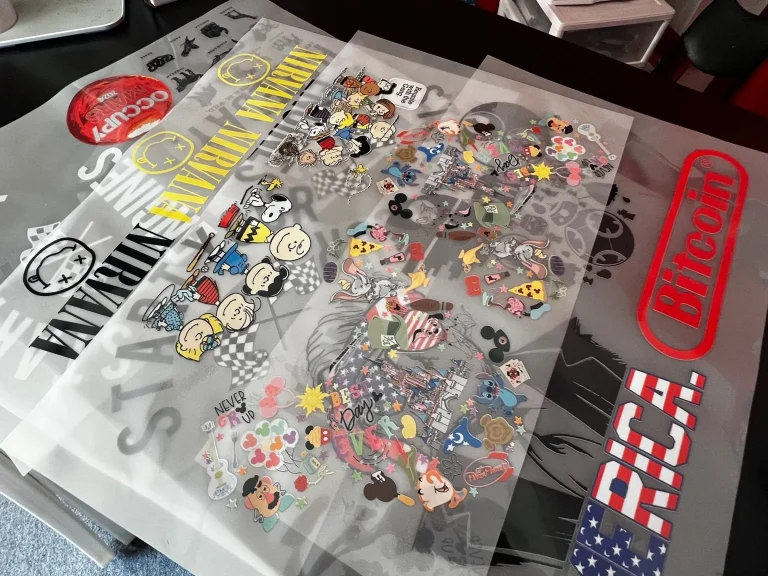
DTF gangsheet has revolutionized the world of textile printing, providing an innovative and efficient way for designers and print professionals to create vibrant graphics on various materials. As a part of the DTF printing process, the gangsheet technique allows multiple designs to be printed simultaneously on a single sheet of DTF film, significantly enhancing productivity while minimizing waste. By optimizing DTF printer settings and utilizing the right DTF inks, users can achieve striking, high-quality outputs that stand out in the market. This guide aims to explore essential tips and tricks that will elevate your DTF gangsheet building skills, ensuring optimal performance in every project. Dive into these insights and transform your approach to heat transfer printing for outstanding results.
The concept of DTF gangsheet building refers to the art of optimizing print layouts where various designs are printed together on a single film sheet. This technique, widely recognized in heat transfer printing, maximizes material utilization and expedites the production process, making it a preferred choice among professionals in industries such as apparel and promotional merchandise. With a focus on aspects like DTF film quality, advanced printer settings, and premium DTF inks, achieving impeccable print quality becomes a seamless endeavor. Understanding the intricacies of this method can not only streamline operations but also enhance the visual appeal of final products. As part of modern printing solutions, mastering gangsheet techniques is crucial for anyone aiming to excel in the competitive printing landscape.
What Makes DTF Gangsheet Building Essential in Textile Printing?
DTF gangsheet building is a revolutionary technique that has transformed the landscape of textile printing, particularly through the DTF (Direct to Film) method. By allowing multiple designs to be printed on a single sheet of DTF film, this approach streamlines the production process, maximizing both efficiency and cost-effectiveness. This streamlined method not only reduces ink wastage but also cuts down on time, which is essential for meeting tight deadlines in the competitive market of apparel and promotional products.
Moreover, the benefits of DTF gangsheet building extend beyond simple efficiency. When executed correctly, this method ensures that colors remain vibrant and true to the designer’s vision, thanks to the high-quality DTF inks utilized in the process. Print professionals who leverage gangsheet techniques can significantly improve their output quality, producing impressive, high-resolution designs that stand out in the marketplace, thereby attracting a broader customer base.
Optimizing DTF Film for Superior Print Quality
The preparation of DTF film is a crucial step in achieving exceptional print quality. Ensuring that the DTF film is free from dust and imperfections before printing can drastically affect the final output. When any form of debris gets under the film during the printing process, it can lead to unsightly print defects, compromising the overall quality of the garment. Therefore, maintaining a clean workspace and regularly inspecting the film is paramount to securing a flawless print.
Additionally, not all DTF films are created equal. It is advisable for print professionals to test and select high-quality films that provide the best adhesion and compatibility with the chosen DTF printer settings. The right film can enhance both vibrancy and durability of the prints, ultimately leading to superior results. Thus, investing time in film selection can yield significant returns in quality and customer satisfaction.
Fine-Tuning DTF Printer Settings for Ultimate Output
Achieving optimal output in DTF printing greatly relies on fine-tuning your printer settings based on the specific type of DTF inks and films used. It is critical to adjust the print quality settings; for instance, utilizing a higher DPI (dots per inch) setting can make a substantial difference when working with intricate designs requiring fine details. Conversely, lower DPI settings may be more suitable for larger images or bulk orders, striking a balance between speed and quality.
Regular maintenance of your DTF printer also plays a vital role in maintaining print quality. Clogs and other malfunctions can lead to inconsistencies in the prints, so implementing a routine cleaning and servicing schedule is essential. Keeping your printer in top condition allows for smoother operations and ensures that every print meets the demanding standards of today’s textile marketplace.
The Integral Role of DTF Inks in Print Success
The significance of selecting the right DTF inks cannot be overstated when it comes to producing high-quality prints. Using inks specifically formulated for DTF applications significantly enhances adhesion and vibrancy on various fabric types. High-quality DTF inks result in bold colors and a durable finish, critical factors that contribute to customer satisfaction and repeat business in the competitive printing industry.
Moreover, for prints on dark fabrics, employing a white ink base layer is essential. This technique amplifies the brightness and vibrancy of colors, making designs more visually appealing. Careful application of the white ink layer ensures uniform distribution, which is fundamental for achieving the desired results. Thus, the choice of ink remains a pivotal element of the DTF printing process, affecting both aesthetics and functionality.
Mastering the Heat Transfer Process for Optimal Results
The heat transfer process is a critical phase in DTF printing, directly impacting the quality and durability of designs on garments. Key factors such as temperature and pressure must be meticulously calibrated to correspond with the type of fabric and DTF ink used. Getting these settings right is vital; excessive heat or pressure could jeopardize the adhesion of the print, while inadequate settings may fail to provide the necessary bond required for durability.
In addition, a pre-press treatment, which involves eliminating wrinkles and moisture from the fabric before the transfer, is essential to achieving consistent and high-quality prints. This not only ensures an even application of heat but also accelerates the overall printing process, further enhancing production efficiency. Emphasizing these aspects can lead to significant improvements in the final product’s quality.
Post-Printing Best Practices for Lasting Quality
Successful DTF printing doesn’t end with applying the heat transfer; post-printing practices are equally vital to ensure lasting quality. Allowing the prints sufficient curing time is crucial, as this step grounds the inks effectively to the fabric. Proper curing not only enhances durability but also optimizes washability, ensuring that the final product remains intact even after multiple washes.
Conducting wash tests on initial prints can provide valuable insights into the performance of the inks and the effectiveness of the transfer process. By validating that the inks maintain their integrity and vibrancy through regular laundering, print professionals can reassure customers of the product’s quality and reliability. Therefore, post-printing diligence is fundamental in solidifying the reputation of one’s DTF printing business.
Frequently Asked Questions
What is a DTF gangsheet and its benefits in DTF printing?
A DTF gangsheet is a printing method that allows multiple designs to be printed on a single sheet of DTF film. This technique maximizes material usage and significantly reduces ink and film wastage, making it an efficient choice for garment and promotional product printing. By optimizing production time and materials, it enhances overall output quality.
How do I prepare DTF film for optimal print quality?
To prepare DTF film for optimal printing, ensure it is clean and free of dust or debris, as any particles can cause print defects. Additionally, test different brands of DTF film to find one that offers the best adhesion and print quality for your specific setup, which can greatly improve the vibrancy and durability of your prints.
What are the ideal DTF printer settings for high-quality output?
For high-quality DTF printing, adjust your printer settings based on the DTF ink and film being used. A higher DPI (dots per inch) setting is recommended for detailed prints, while lower settings can be appropriate for larger images. Regular maintenance of the printer is also essential to prevent clogs and ensure consistent print quality.
Why is using high-quality DTF inks important for printing?
Using high-quality DTF inks is crucial because these inks provide better adhesion and vibrancy on fabrics. They enhance the durability of the prints, ensuring that colors remain bright and consistent. Low-quality inks can lead to a dull finish and poor performance, compromising the overall quality of your DTF prints.
What steps should I follow for the heat transfer process in DTF printing?
During the heat transfer process for DTF printing, it is essential to use the correct temperature and pressure settings tailored to the fabric and ink type. Pre-press garments to remove wrinkles and moisture, ensuring even heat distribution. If the temperature is incorrect, it may compromise the adherence and durability of the print.
How can I ensure the longevity of my DTF prints after production?
To ensure the longevity of your DTF prints, allow adequate curing time after printing to ensure inks bond properly with the fabric. Additionally, conduct wash tests on the initial prints to confirm the inks withstand laundering without degrading, providing customers with high-quality, durable products.
| Key Points | Details |
|---|---|
| Introduction | DTF has become a dominant force in textile printing, allowing for stunning graphics on various materials. |
| What is DTF Gangsheet? | A technique to print multiple designs on one film sheet, minimizing waste and production time. |
| Focus Keyword | DTF Gangsheet is central to the topic, key for SEO optimization. |
| Related Keywords | 1. DTF printing 2. DTF film 3. Heat transfer printing 4. DTF printer settings 5. DTF inks |
| Efficient Design and Layout | Use vector graphics and arrange designs to minimize waste and optimize production time. |
| Preparation of DTF Film | Clean the film and choose quality brands to ensure proper adhesion and print quality. |
| Printer Settings | Adjust print quality settings and maintain the printer to enhance output results. |
| Choosing the Right Ink | Use high-quality DTF inks and consider a white ink base for dark garments for vibrancy. |
| Heat Transfer Process | Utilize correct temperature and pressure settings, and pre-press garments for effective transfers. |
| Post-Printing Guidelines | Allow curing time and perform wash testing to ensure durability and quality before delivery. |
Summary
DTF Gangsheet building is a vital process in modern textile printing, allowing for enhanced efficiency and vibrant prints. This guide encapsulates essential techniques and strategies to maximize the potential of DTF printing, from utilizing vector graphics in the design phase to ensuring optimal printer settings and ink choices. By paying close attention to every detail—from film preparation to the heat transfer process—professionals can produce exceptional quality prints while minimizing waste. As DTF gangsheet technology evolves, staying updated and refining techniques will be key to maintaining a competitive edge in the printing market.