
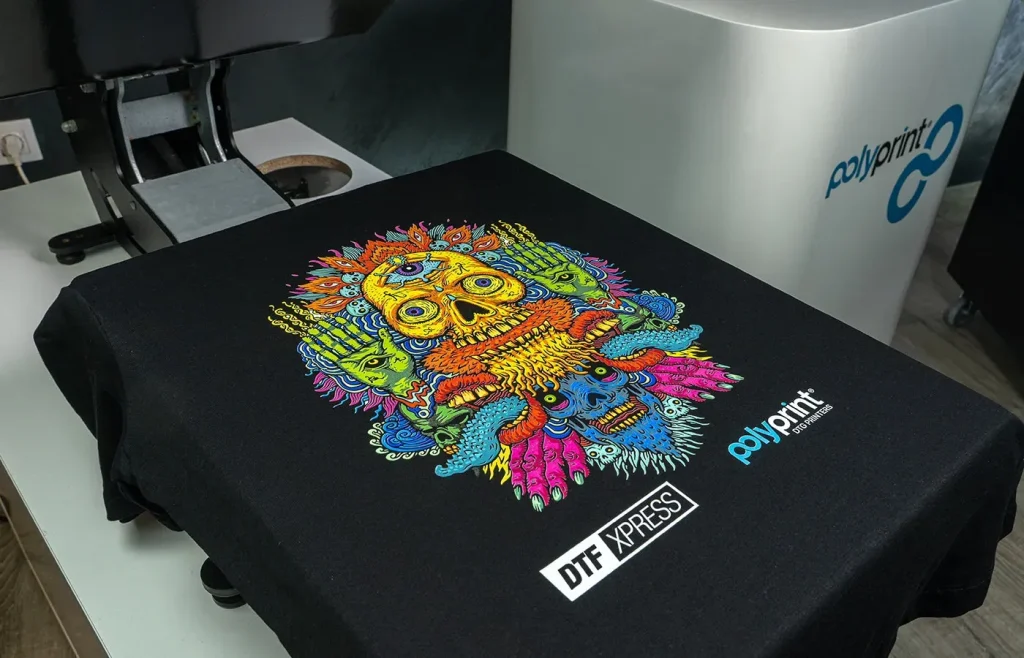
DTF printing, or Direct-to-Film printing, is revolutionizing the custom apparel industry with its unique capability to produce vibrant and intricate designs. This innovative method prints designs onto special transfer films, making it easy to transfer artwork on diverse fabric surfaces. With the right equipment, including an Epson DTF printer and a reliable heat press for DTF transfers, even beginners can create professional-quality prints. As you delve into the world of DTF printing basics, you’ll discover the importance of adhering to the right techniques to produce stunning results. In this guide, we will walk you through everything from gang sheets DTF to essential equipment, ensuring that your venture into this exciting printing method is a success.
Often referred to as direct-to-film printing, this technique is a game-changer for those looking to personalize apparel and other fabric items. Unlike traditional methods that print directly onto the garment, this process utilizes specialized films for transferring designs, allowing for greater versatility and creativity. Users can benefit from gang sheets to maximize the efficiency of production, while brands like Epson cater to this burgeoning market with advanced printers tailored for DTF applications. The synergy of heat press technology and reliable DTF printers facilitates seamless transfers, making high-quality prints more accessible than ever. This informative guide will equip you with the necessary knowledge to master the fundamentals of DTF printing.
The Basics of DTF Printing Through a Beginner’s Lens
Direct-to-Film (DTF) printing has transformed the custom printing industry, providing a user-friendly platform for beginners. DTF printing basics involve understanding how film, adhesive, and heat work together to create high-quality designs. Unlike traditional methods, DTF printing allows users to print vibrant imagery directly to a specially coated film which, after applying adhesive powder and heat curing, can be transferred onto various fabrics. This process not only simplifies printing but also maximizes the vibrancy and longevity of the final product.
For newcomers, it’s essential to get acquainted with the essential steps: printing onto specialized transfer film, applying the right type of adhesive, and utilizing a heat press for transferring designs. The ability to print intricate designs with rich colors makes DTF printing a desirable method for small businesses and home crafters alike. By adhering to DTF printing basics, anyone can produce professional-looking apparel that captures attention.
Important Equipment for Successful DTF Printing
To dive into DTF printing, having the right equipment is crucial. A mainstay of this process is the DTF printer, ideally one such as the Epson SureColor G6070, which is specifically designed for this printing style. This printer not only delivers excellent print quality but is also user-friendly, allowing beginners to quickly grasp the nuances of DTF printing. Additionally, procuring good quality transfer film and adhesive powder is vital to ensure that prints are vivid and durable.
Beyond the printer, investing in a reliable heat press is non-negotiable. The heat press ensures that the printed designs adhere properly to the fabric, making it a pivotal component in the printing workflow. Selecting a model with adjustable temperature and pressure settings allows for versatility across various fabric types, enhancing the quality of the prints. Mastering this equipment can significantly enhance one’s output quality and efficiency in DTF printing.
Lastly, integrating design software into your setup is beneficial for crafting designs that pop when printed. Graphic design programs help optimize artwork for printing, ensuring that the colors and details are preserved during the transfer process.
Maximizing Production with Gang Sheets for DTF Printing
Gang sheets are an innovative solution for maximizing efficiency in DTF printing. By arranging multiple designs on a single transfer film, users can significantly reduce material waste and printing costs. This method allows small businesses and individual printers to execute multiple prints simultaneously, thereby streamlining production and improving profitability. Learning to create effective gang sheets can lead to quicker turnaround times and a more sustainable printing operation.
Additionally, creating gang sheets opens up various opportunities for customization and creativity, enabling printers to offer a wider range of products without incurring excessive costs. When utilizing gang sheets in your DTF printing process, it’s essential to ensure that the designs are spaced appropriately and sized correctly to avoid misalignment during the transfer stage.
Epson’s DTF Printer: A Game Changer for Beginners
The launch of Epson’s SureColor G6070 has revolutionized the DTF printing landscape, making high-quality printing accessible to beginners. This printer prides itself on delivering vivid colors and sharp details, contributing to impressive final products that command attention. Its user-friendly features allow newcomers in the DTF arena to become proficient quickly, enabling them to explore their creative potential without feeling overwhelmed by complex technology.
Moreover, Epson’s commitment to innovation means that even beginners can utilize cutting-edge technology to produce professional-grade prints. The versatility of the G6070 allows for a variety of applications, whether for custom apparel or unique merchandise. This expansion of capabilities empowers entrepreneurs to not only create stunning designs but also capitalize on the growing demand for custom prints in today’s market.
The Essential Role of Heat Press Technology in DTF Printing
At the heart of the DTF printing process lies the heat press machine, which plays an essential role in ensuring that prints adhere to various fabric types. The right heat press provides the necessary temperature and pressure to produce strong, lasting bonds between the transfer film and fabric. This crucial step cannot be overlooked, as improper heat application can lead to substandard results, ruining potentially excellent designs.
When selecting a heat press for DTF printing, it’s essential to consider its size, temperature control features, and pressure settings. Models that offer even heat distribution and customizable pressure ensure that designs are applied successfully, resulting in vibrant, durable prints that withstand the test of time. Mastering heat press technology not only enhances the quality of prints but can also elevate customer satisfaction and encourage repeat business.
Preparing Designs for Optimal DTF Printing Success
Design preparation is a critical step in the DTF printing process that can significantly impact the final quality of prints. Start by creating high-resolution images, ideally at 300 DPI, to ensure clarity and detail in the final product. It’s also advisable to utilize color profiles such as CMYK to maintain color accuracy when transitioning from digital formats to physical prints. This attention to detail in design prep helps avoid costly mistakes and improves overall print quality.
Furthermore, being mindful of the fabric types you’ll be using is essential, as different materials react differently to heat and adhesive. Tailoring designs based on fabric characteristics can yield better adherence and longevity of the prints. Following these design preparation tips ensures that you maximize the potential of DTF technology, allowing you to deliver exceptional products to your customers that they will love.
Frequently Asked Questions
What are the basics of DTF printing?
DTF printing, or Direct-to-Film printing, involves printing designs onto a special film using DTF inks. The process includes applying an adhesive powder to the ink, curing it with heat, and then using a heat press to transfer the design onto fabric. This method results in vibrant colors, intricate designs, and a soft finish that’s highly durable.
How do gang sheets improve DTF printing efficiency?
Gang sheets in DTF printing are a strategic layout that allows multiple designs to be printed on a single transfer film. This approach maximizes material use, reduces production costs, and accelerates the printing process, making it ideal for businesses looking to optimize their workflow and profitability.
What equipment do I need for DTF printing?
To get started with DTF printing, you will need a reliable DTF printer like the Epson SureColor G6070, DTF transfer film, high-quality adhesive powder, and a heat press machine designed for DTF application. Additionally, graphic design software is essential for preparing your designs.
Why is the heat press important in the DTF printing process?
The heat press is crucial in DTF printing as it applies the necessary heat and pressure to ensure that the printed film adheres correctly to the fabric. Choosing a heat press with even temperature distribution and adjustable pressure settings enhances the durability and quality of the final product.
What makes the Epson DTF printer stand out?
The Epson SureColor G6070 is designed specifically for DTF printing, offering advanced features that enhance print quality and efficiency. This printer produces vibrant illustrations and high-resolution designs, making it suitable for garment decorators and print service providers looking to incorporate DTF technology.
How can I prepare designs for DTF printing effectively?
To prepare your designs for DTF printing, use high-resolution images (at least 300 DPI) and incorporate CMYK color profiles for accurate color representation. Also, consider the type of fabric you will be printing on, as different materials have varied reactions to heat and adhesives, impacting the final result.
| Key Point | Details |
|---|---|
| Introduction to DTF Printing | DTF printing allows vibrant designs to be transferred onto various fabrics using a special film process, making it popular for custom apparel printing among small businesses and hobbyists. |
| DTF Printing Basics | Key steps include printing on film, applying adhesive, curing with heat, and transferring to fabric, producing sharp, durable prints. |
| Essential Equipment | Essential items include a DTF printer, transfer film, adhesive powder, heat press machine, and graphic design software. |
| Gang Sheet Technique | Using gang sheets allows multiple designs to be printed at once, optimizing material usage and reducing costs. |
| Epson’s DTF Printer | The SureColor G6070 offers enhanced capabilities, providing beginners with high-quality tools for DTF printing. |
| Heat Press Technology | A quality heat press is crucial for applying heat and pressure to ensure effective transfers. Size, temperature control, and pressure adjustment are key features. |
| Design Preparation Tips | Utilize high-resolution images, CMYK color profiles, and consider fabric types for successful print outcomes. |
| Conclusion | DTF printing is revolutionizing custom garment printing, offering creative possibilities and business opportunities for newcomers in the industry. |
Summary
DTF printing has emerged as a game-changer in the world of custom apparel production, offering a streamlined approach that enhances both efficiency and quality. It encompasses a unique method where designs are printed onto a special film before they are heat-transferred onto a variety of fabrics. By utilizing advanced equipment, such as DTF printers and heat press machines, individuals and businesses can create vibrant, durable designs that stand out in the market. Furthermore, the strategic use of gang sheets allows for cost-effective production, making DTF printing an appealing option for newcomers and seasoned professionals alike. Ultimately, delving into the fundamentals of DTF printing will empower creators to innovate in this rapidly evolving print space.