
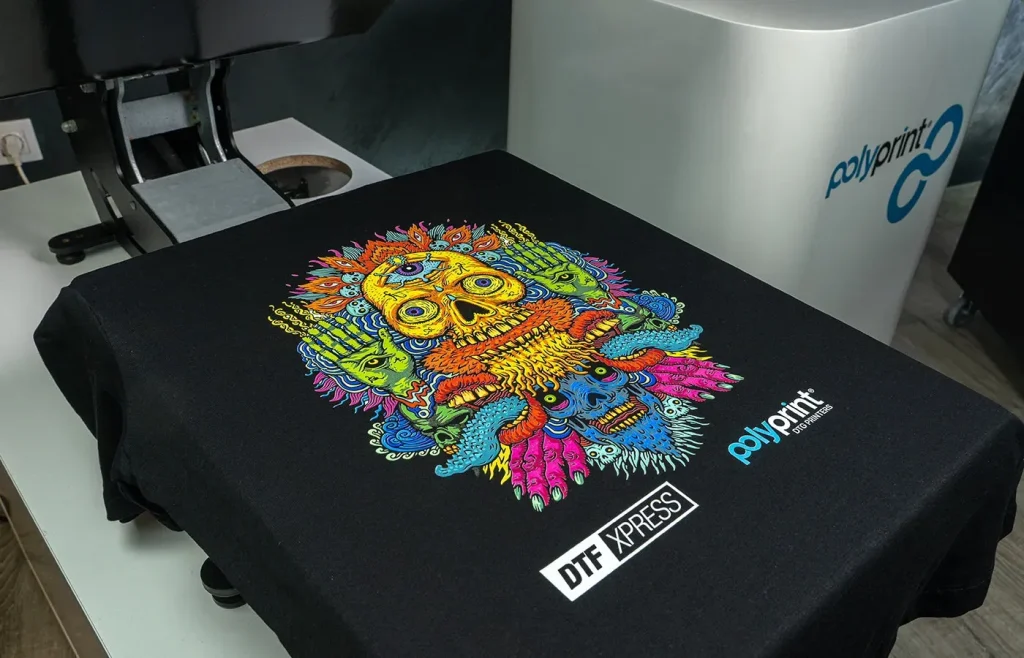
DTF printing, or Direct-to-Film printing, is revolutionizing the way designs are transferred to fabrics, setting new standards for quality and versatility in the printing industry. By allowing a seamless transfer of vibrant prints onto various materials, DTF printing has captivated businesses and consumers alike, leading to a surge in popularity. This innovative technology not only supports the creation of custom garments and promotional items but is also paving the way for exciting trends and advancements in the field. Moreover, the ongoing focus on sustainable printing solutions within the DTF landscape speaks to its potential impact on environmentally conscious consumers. As we navigate the innovations shaping DTF printing, it’s clear that this custom printing technology is here to stay, promising to redefine the future of fabric printing.
The landscape of fabric printing is increasingly embracing Direct-to-Film technologies, a method that enables prints to be efficiently applied to textiles and other surfaces. Known for its adaptability and high-quality outputs, this technique is gaining traction as businesses look to elevate their product offerings. The focus on advancements in direct-to-film processes brings about new possibilities, particularly as designers and printers explore creative applications across various sectors. Additionally, this rising trend highlights the demand for alternatives to traditional printing, emphasizing the significance of innovations that cater to diverse consumer needs. As the market evolves, the integration of sustainable practices alongside custom printing techniques signifies a promising direction for future print solutions.
Technological Innovations in DTF Printing
In the realm of DTF printing, technological innovations continue to make waves, driving the industry toward remarkable improvements. One of the significant advancements is the introduction of ultra-high-resolution printers that cater to the demand for prints with vibrant colors and intricate details. These printers employ advanced ink formulations and precision engineering, ensuring that every print reproduces the original design flawlessly. As manufacturers invest in research and development, we can anticipate even more robust capabilities that will allow businesses to produce stunning products for various applications, from fashion to home decor.
Moreover, the integration of artificial intelligence and machine learning in the printing process is set to revolutionize production efficiency. By automating routine tasks and optimizing print settings based on material characteristics, businesses can significantly reduce operational downtime and increase output. For instance, these smart technologies can predict when maintenance is needed, thereby preventing costly interruptions and ensuring that printers are running at peak performance. With such advancements on the horizon, it’s clear that the future of DTF printing will be defined by rapid technological progress.
The Shift Towards Sustainable DTF Printing
As sustainability becomes a critical concern in today’s society, DTF printing is embracing eco-friendly practices that align with consumer expectations. The transition to water-based inks marks a pivotal shift toward reducing the environmental impact of printing processes. These inks not only offer high-quality outputs but also provide a safer alternative for users and the environments they operate in. Companies adopting sustainable ink solutions can cater to a growing demographic that prioritizes ecological responsibility, which, in turn, enhances brand loyalty and customer trust.
In addition to innovative inks, sustainable printing solutions may also involve the use of biodegradable films and recycled materials in the printing process. By leveraging these resources, printers can diminish their ecological footprint while still delivering high-quality products. As organizations adopt greener practices and promote sustainable DTF printing, they contribute to a collective effort toward environmental conservation. This commitment to sustainability is expected to drive consumer preferences and influence marketplace dynamics, shaping the future landscape of the printing industry.
Market Growth and Opportunities in DTF Printing
The global landscape for DTF printing is witnessing unprecedented market growth, fueled by a burgeoning demand for customization. As consumers increasingly seek personalized products, businesses are turning to DTF printing for its ability to deliver high-quality, cost-effective solutions on demand. The versatility of DTF printing allows for an expansive range of applications, from textiles to promotional materials, making it an ideal choice for small enterprises looking to create unique brand identities. With predictions indicating a compound annual growth rate of over 10% through 2030, the future for DTF printing holds vast potential.
Additionally, as new players enter the market, competition will likely lead to improved products and lower prices. It’s an exciting time for entrepreneurs in the printing space, as they can leverage DTF technology to carve out niche markets and cater to specific consumer needs. The increased availability of user-friendly equipment and materials further democratizes the industry, allowing even startups with minimal capital to launch their custom printing businesses. Embracing these market trends will be crucial for companies aiming to thrive in the evolving world of DTF printing.
Integrating DTF Printing with Innovative Technologies
The integration of DTF printing with other advanced printing technologies is creating a synergy that enhances creative possibilities for designers and businesses alike. The combination of DTF with Direct-to-Garment (DTG) printing enables users to achieve high-resolution prints on various materials, optimizing the final product’s overall quality. This convergence allows print service providers to offer services that were previously unattainable, expanding the scope of what can be created, whether it’s intricate textile designs or bold promotional graphics.
Furthermore, the integration of digital printing techniques means that businesses can quickly respond to market trends, producing short runs of custom products tailored to their clientele. This flexibility empowers brands to stay relevant and agile in an ever-changing marketplace. With advancements in software solutions facilitating smoother workflows, DTF printing becomes a versatile tool for innovation. As these technologies continue to intersect, we can expect an explosion of creativity and customization capabilities that will further enhance the printing experience.
Educational Opportunities in DTF Printing
As the DTF printing landscape evolves, educational and training opportunities are becoming increasingly important for professionals looking to stay ahead of the curve. Workshops, online courses, and industry expos are being utilized to disseminate knowledge about the latest DTF techniques and equipment. These educational programs not only equip newcomers with essential skills but also provide seasoned printers with insights into innovations that can enhance their operations. Engaging with such resources can significantly improve a business’s competitive edge in the rapidly changing printing market.
Moreover, institutions are collaborating with industry leaders to create curriculum that addresses the specific needs of the DTF printing sector. These educational initiatives foster a deeper understanding of not only the technical aspects of DTF printing but also the strategic marketing and business management skills required in today’s dynamic environment. By prioritizing ongoing education and skills development, industry stakeholders can ensure they are well-prepared to navigate future challenges and capitalize on emerging opportunities within the DTF printing market.
Cost Efficiency and Accessibility in DTF Printing
Cost efficiency stands out as one of the remarkable advantages of DTF printing, particularly for startups and small to medium-sized enterprises. As this printing technology becomes more accessible, businesses are benefiting from lower initial expenditures compared to traditional printing methods. Many DTF printers are designed to offer outstanding performance without the hefty price tags associated with older, more established printing technologies. This democratization of technology paves the way for aspiring entrepreneurs to invest in high-quality printing solutions that align with their budgetary constraints.
Additionally, the on-demand nature of DTF printing reduces the need for extensive inventory holding, thus mitigating waste and lowering overall costs. By allowing businesses to produce items as needed, companies can meet fluctuating consumer demands without overcommitting resources. This dynamic approach matches well with today’s consumer trends, where personalized products gain popularity. Overall, the cost efficiency of DTF printing is a significant factor that will continue to drive its adoption in the marketplace, enabling a broader range of businesses to leverage advanced printing technology.
Frequently Asked Questions
What is DTF printing and how does it work?
DTF printing, or Direct-to-Film printing, is a modern printing technique that transfers designs onto textiles using a specialized film. The process involves printing images onto a film substrate, which are then transferred onto fabrics using heat and pressure. This method allows for vibrant colors and detailed designs, making it suitable for custom apparel and various fabric types.
What are the latest trends in DTF printing technology?
Recent trends in DTF printing technology include advancements in printer speed and image quality, as well as the development of eco-friendly inks. Manufacturers are focusing on creating high-resolution printers that improve the adherence of inks to materials, enhancing the versatility of DTF printing for applications ranging from custom apparel to home decor.
How is DTF printing contributing to sustainable printing solutions?
DTF printing is contributing to sustainable printing solutions through the adoption of water-based and eco-friendly inks. These inks significantly reduce environmental impact while maintaining high print quality. As consumer demand for sustainable products grows, DTF printers can align their practices with these ethical standards, appealing to a market segment that values eco-conscious choices.
What opportunities for education and training exist in the DTF printing industry?
The DTF printing industry offers numerous educational opportunities, including workshops and online courses, to help professionals stay up-to-date with the latest techniques and technologies. Institutions and industry expos are increasingly focused on providing training that ensures stakeholders can adapt to the rapidly evolving landscape of DTF printing.
How does DTF printing compare to traditional printing methods?
DTF printing offers several advantages over traditional printing methods, including cost-effectiveness, versatility, and faster production times. With the ability to print on-demand, DTF printing minimizes waste and inventory costs, making it particularly attractive for small to medium-sized businesses looking to provide customized products efficiently.
What innovations can we expect in the future of DTF printing?
The future of DTF printing is set to witness significant innovations, including technological integrations with digital textile and direct-to-garment (DTG) printing. This convergence will enable the creation of complex designs and improve production efficiency. Additionally, continued advancements in printing technology will likely enhance print quality and speed, catering to the increasing demand for customized items.
| Key Area | Key Points |
|---|---|
| Technological Advancements | Improvements in print quality and speed, high-speed printers, and enhanced ink adhesion to fabrics. |
| Eco-Friendly Inks | Shift towards water-based inks, aligning with consumer demand for sustainability. |
| Market Growth and Demand | Projected CAGR of over 10% from 2024 to 2030, fueled by the demand for customized products. |
| Integration with Other Technologies | Combining DTF with DTG and digital textile printing for complex designs and efficient production. |
| Educational and Training Opportunities | Increased workshops and courses to keep professionals updated on the latest techniques. |
| Cost Efficiency | Lower equipment costs and waste reduction through on-demand manufacturing, appealing to SMEs. |
Summary
DTF printing is set to revolutionize the printing industry with its technological advancements and eco-friendly innovations. As we move forward, the integration of DTF printing with modern technologies and a heightened focus on sustainability will reshape how businesses approach product customization. With a growing market, continuous education, and improved cost efficiency, DTF printing presents exciting opportunities for companies to thrive. By embracing these developments, businesses can effectively cater to consumer demands and remain competitive in this dynamic landscape.