
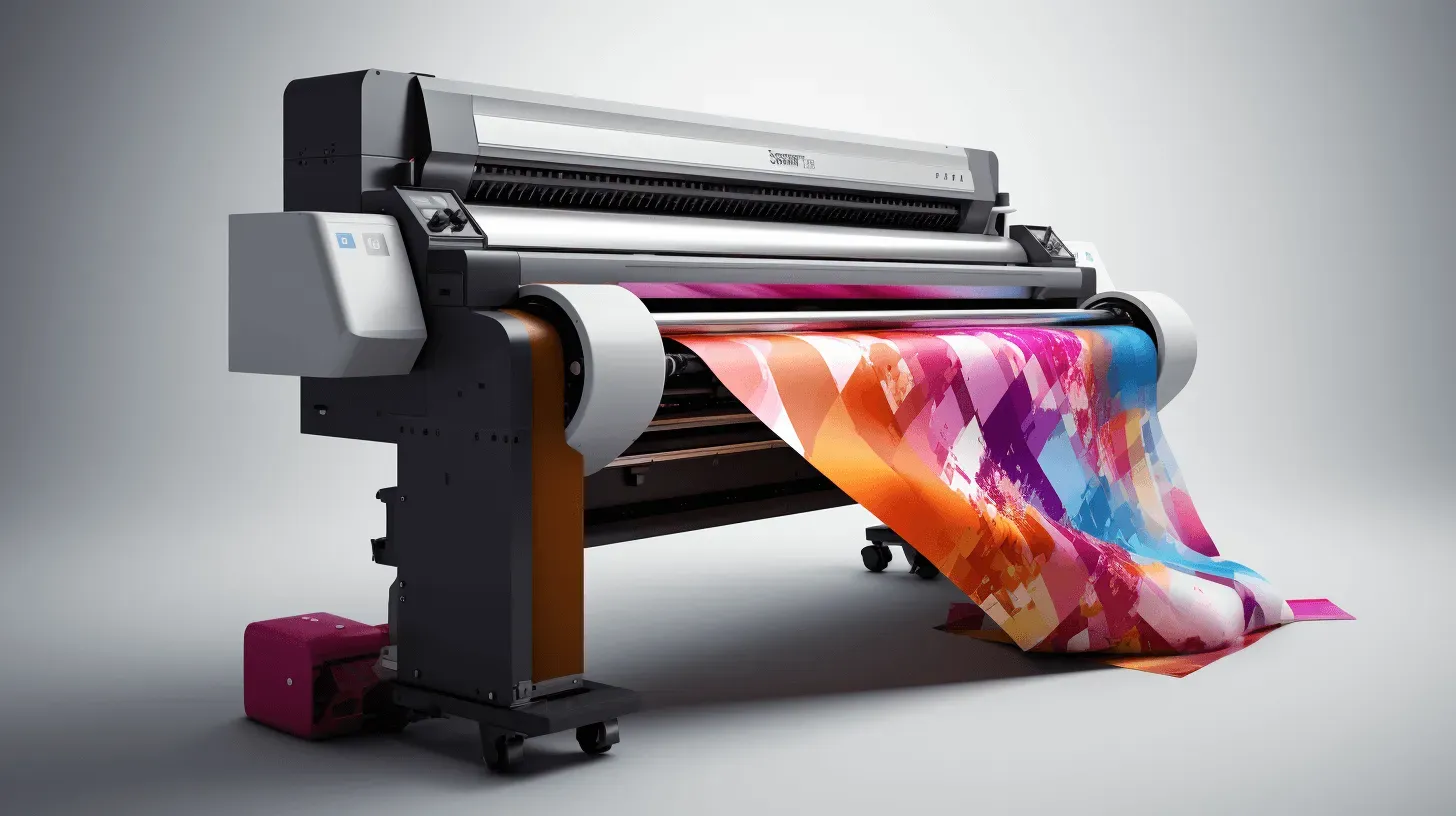
DTF printing, short for Direct-to-Film printing, is revolutionizing the world of custom apparel printing by offering an innovative solution for vibrant and intricate designs. This technique utilizes special transfer technology to print artwork onto a film, which can then be heat-pressed onto various fabrics. Unlike traditional methods such as screen printing, DTF transfers provide the flexibility to print on a wide array of materials, including both light and dark textiles, making it a go-to choice for independent designers. As the demand for sustainable printing practices continues to rise, DTF printing positions itself as an eco-friendly alternative in a market increasingly focused on sustainability and customization. This article delves into the benefits, trends, and future potential of DTF printing, comparing it with other methods like DTF vs screen printing.
In the printing industry, advancements like Direct-to-Film (DTF) technology signal a significant shift towards more efficient and adaptable methods of producing custom designs. This innovative printing process allows for direct application of vibrant images onto various fabric types, setting it apart from traditional screen printing that often requires more complicated setups. By simplifying the customization process for apparel, businesses can leverage DTF as a sustainable option, aligning their practices with consumer demands for personalized and eco-conscious products. Alternatives to traditional techniques are reshaping the landscape, highlighting the importance of exploring new technologies to meet contemporary needs in the market. As consumer preferences evolve, understanding methods like DTF transfers becomes essential for those in the custom printing sector.
Understanding Direct-to-Film Printing
Direct-to-Film (DTF) printing is an innovative technique that revolutionizes how designs are applied to textiles. This method involves printing high-quality designs onto a special film, which can then be transferred onto various fabrics using heat and pressure. This process is particularly advantageous for custom apparel printing, allowing for vibrant colors and intricate details that can cater to diverse consumer preferences. The flexibility of DTF printing makes it an ideal choice for businesses looking to diversify their product offerings.
Unlike traditional methods such as screen printing, which often require extensive time for setup and color separation, DTF printing simplifies this task. It enables quick visualization of designs, leading to faster production cycles. This efficiency is advantageous for small businesses that may not have the resources for large-scale printing operations but still wish to offer high-quality and customized apparel.
Benefits of DTF Printing for Custom Apparel
The benefits of DTF printing extend beyond mere aesthetics. One of the key advantages is its cost-effectiveness, particularly for small batch orders. Businesses utilizing DTF technology can experience significant savings compared to conventional screen printing methods, with reports suggesting a reduction in production costs by approximately 30%. This is a game-changer for startups and smaller enterprises looking to establish their presence in the custom apparel market without substantial financial risk.
Moreover, the ease of use and minimal setup required for DTF printing make it an appealing choice for entrepreneurs and independent designers. The technology supports printing on various fabrics, both light and dark, which enhances the versatility of merchandise. This flexibility allows businesses to cater to wider consumer preferences, from t-shirts and hoodies to tote bags and home decor, ultimately expanding their product range.
Sustainability in DTF Printing
As sustainability becomes a pivotal factor in consumer decision-making, the DTF printing industry is adapting to meet these expectations. DTF printing technology increasingly utilizes organic and water-based inks that are less harmful to the environment than traditional inks used in screen printing. This shift not only aligns with eco-conscious consumer preferences but also enhances the overall appeal of DTF printing as a sustainable option for businesses.
Additionally, the DTF printing process minimizes waste, making it a more environmentally friendly choice compared to other printing methods. With the rising demand for sustainable practices in fashion and textiles, businesses that implement eco-friendly DTF printing can improve their brand image and customer loyalty, standing out in a competitive market.
DTF vs. Screen Printing: A Detailed Comparison
When comparing DTF printing to traditional screen printing, several key distinctions emerge that can impact business decisions. DTF printing allows for more intricate designs with greater color fidelity, making it suitable for customized, high-resolution images. In contrast, screen printing often struggles with detailed designs unless multiple screens and colors are employed, leading to higher costs and longer production times.
Moreover, DTF printing is ideal for small runs of products. Since it requires minimal setup and no extensive preparation, businesses can produce items on-demand, catering to unique customer requests without the overhead costs associated with bulk printing in screen printing. This flexibility makes DTF a standout choice for custom apparel enterprises aiming for personalized consumer experiences.
Market Trends Shaping DTF Printing
The rise of DTF printing is closely tied to market trends emphasizing personalization and customization in the apparel industry. As consumers increasingly seek unique products that reflect their individual styles, DTF printing emerges as a perfect solution. It enables businesses to offer on-demand customization, empowering consumers to design their apparel without significant production delays.
Additionally, the current shift towards online shopping and e-commerce further supports DTF printing's growth. Many consumers are now shopping for unique, personalized items online, aligning perfectly with DTF's capability for rapid fulfillment of custom orders. By adapting to these market trends, businesses can leverage DTF printing to meet evolving consumer demands effectively.
The Future of DTF Printing Technology
As technology continues to advance, the future of DTF printing looks remarkably promising. Innovations in printer technology are leading to enhanced printing speeds and resolution, enabling businesses to handle larger volumes of orders with greater efficiency. Continuous improvements in ink formulations also contribute to better durability and wash resistance of designs, which are crucial for maintaining customer satisfaction in custom apparel.
Furthermore, as the demand for sustainable printing practices increases, we can expect DTF printing to incorporate even more eco-friendly materials and processes. By aligning with the growing consumer ethos surrounding sustainability, DTF printing can position itself as the go-to method for businesses looking to innovate while being environmentally conscientious.
Frequently Asked Questions
What is DTF printing and how does it work?
Direct-to-Film (DTF) printing is a modern printing method where designs are printed onto a special film that is then transferred to various substrates using heat and pressure. This technique allows for vibrant colors and intricate designs, making it ideal for custom apparel printing. Unlike traditional screen printing, DTF printing is straightforward and versatile, accommodating both light and dark fabrics.
How does DTF printing compare to screen printing?
DTF printing offers several advantages over screen printing, including lower setup costs and faster turnaround times for small orders. While screen printing can be cost-effective for large runs, DTF printing shines with its ability to produce high-quality prints quickly and efficiently, especially for short-run jobs. Additionally, DTF transfer technology facilitates intricate designs, which screen printing can struggle with.
What are the sustainability benefits of DTF printing?
DTF printing supports sustainable printing practices by allowing the use of eco-friendly inks, such as water-based options. This shift towards sustainable printing aligns with consumer preferences for environmentally responsible products, enhancing a business's appeal in a growing market that values sustainability. By adopting DTF printing, companies can reduce their environmental footprint while still delivering high-quality custom apparel.
Can DTF printing be used for different types of fabrics?
Yes, one of the key advantages of DTF printing is its compatibility with a variety of fabrics, including cotton, polyester, and blends. This versatility makes it a popular choice for custom apparel printing, allowing designers and businesses to apply eye-catching designs on both light and dark textiles effectively.
What market trends are influencing the growth of DTF printing?
The growth of DTF printing is influenced by several market trends, including the increasing demand for customization and speedy production. Businesses are shifting towards DTF technology due to its cost-effectiveness, ability to handle shorter runs, and the rising consumer preference for unique, personalized products. Additionally, advancements in DTF printer technology continue to enhance efficiency and print quality, further driving market expansion.
Is DTF printing suitable for small businesses and startups?
Yes, DTF printing is highly suitable for small businesses and startups, particularly in the custom apparel sector. Its cost-effectiveness and reduced setup time make it an ideal option for those looking to enter the market without significant initial investments. DTF printing enables small-scale operations to produce high-quality prints with flexibility and speed, meeting customer demands efficiently.
| Key Points | Details |
|---|---|
| What is DTF Printing? | A method that prints designs onto a special film for transfer onto various substrates with heat and pressure. |
| Growing Popularity | Preferred for its versatility and ease of use, catering to small businesses seeking efficient production. |
| Cost and Efficiency | Cost-effective for small-scale orders, can save businesses up to 30% on production costs. |
| Market Trends | Shift towards sustainable practices; eco-conscious consumers drive businesses to explore organic inks. |
| Consumer Choices and Customization | Empowers consumers to demand higher customization; suitable for various products beyond apparel. |
Summary
DTF printing represents an innovative approach in the printing industry, focusing on customization and efficiency. As this technology evolves, it is becoming essential for businesses to harness its capabilities to meet the growing demand for unique apparel and textile designs. With its cost-effective nature, DTF printing breaks traditional barriers, allowing for diverse material applications and creative freedom. This method not only supports small businesses but also aligns with consumer desires for personalized products, setting the stage for a revolution in how designs are produced and consumed.