
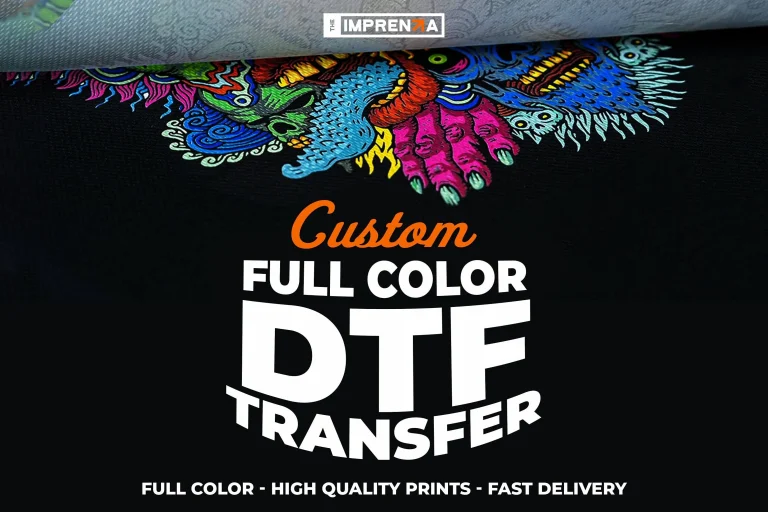
In the dynamic realm of custom apparel printing, **DTF transfers** (Direct to Film) have emerged as a revolutionary alternative to traditional screen printing. This innovative technique not only accommodates a variety of fabrics but also facilitates high-quality and intricate designs that appeal to various audiences. DTF printing offers significant advantages, particularly for small businesses or individual customers looking to create unique garments without the constraints of bulk orders. As we delve deeper into the comparison of DTF transfers and conventional methods, we’ll uncover key factors such as cost, efficiency, and the overall quality of prints. This exploration will highlight the shifting landscape of apparel printing, where **DTF transfers** stand out as a versatile choice for modern needs.
When considering options for custom garment printing, terms like transfer printing and film-based printing may also come to mind, especially in contrast to conventional techniques like screen printing. These methods cater to diverse needs in the fashion industry, allowing for both detailed and vibrant graphics that resonate with consumers. As the market evolves, many are turning towards modern solutions that offer flexibility and quick turnaround times. The blend of traditional and contemporary techniques in apparel printing is reshaping how designs are rendered and perceived, making it essential to understand both DTF transfers and their more established counterparts. Exploring these printing methods further reveals the nuances that define quality, sustainability, and creative potential in today’s fashion landscape.
Understanding the Mechanics of DTF Transfers
DTF transfers utilize a unique process that begins with printing designs onto a special film. Once printed, the ink is allowed to cure, and a special adhesive powder is applied to the film, which is then melted to bond the ink to the adhesive. This allows for direct application to various fabrics using a heat press. The mechanics behind DTF printing offer significant flexibility, making it suitable for different fabric types, from cotton to blends, which traditional screen printing sometimes struggles with. This adaptability means businesses can cater to a wider audience with diverse fabric choices, enhancing their product offerings.
In addition to its versatility, the DTF transfer method excels in producing high-resolution graphics. This technology can capture fine details and vivid colors that would be challenging to achieve with traditional screen printing, where solid colors typically dominate. With the advancements in printing technology used in DTF, businesses can confidently offer custom garments that meet or exceed customer expectations, especially in fashion and creative industries.
Advantages of Traditional Screen Printing
Traditional screen printing has been a staple in the apparel printing industry for decades, primarily for its ability to deliver cost-effective solutions for bulk orders. As the setup for screen printing can be labor-intensive, the advantages manifest prominently in larger production runs. Businesses that require large quantities often find that the per-unit cost decreases significantly, making traditional screen printing the logical choice for promotional items, uniforms, and merchandise that needs to be distributed widely.
Furthermore, traditional screen printing boasts a variety of specialty inks and finishes that allow for creative expression beyond what DTF printing can currently offer. These options include metallic inks, glitters, and water-based inks that contribute to the tactile feel of the final product. This variety enables designers to create dynamic designs and effects, enhancing the visual appeal and marketability of screen-printed garments.
The Versatility of DTF Transfers in Custom Apparel Printing
DTF transfers have gained a reputation for their unmatched versatility, making them ideal for businesses operating in a custom apparel market. Whether it’s simple logos or intricate artwork, DTF printing can accurately reproduce designs with impeccable detail. This capability attracts a diverse client base, from small businesses to independent artists, looking for a method that accommodates unique and one-off printing requests without prohibitive costs.
Moreover, the DTF process is significantly easier than many traditional methods. With no need for screens or extensive equipment setups, artists and designers can experiment with personal designs on various garments in shorter production times. Such efficiency aligns well with the fast-paced demands of today’s fashion and retail industries, where individualized customer experiences are becoming increasingly vital.
Cost-Benefit Analysis: DTF Transfers vs. Screen Printing
When weighing the cost and benefits of DTF transfers versus traditional screen printing, businesses must consider the scale and nature of their production needs. DTF printing offers lower entry costs for small to medium runs, making it an appealing option for startups and personalized printing services. Additionally, there’s no need to invest heavily in equipment or materials for screens, which can provide immediate financial benefits.
On the other hand, while DTF may present upfront savings for smaller projects, screen printing excels in providing value for larger orders. The economies of scale mean that bulk purchases through screen printing can lead to substantial savings over time, especially for products with enduring demand like uniforms and promotional merchandise. Understanding the long-term cost implications associated with order volume is crucial for businesses in deciding which method to pursue.
Recent Innovations in DTF Printing Technology
The DTF printing method has seen rapid advancements lately, responding to the demand for higher quality and more sustainable printing options. New formulations of inks and adhesives allow for greater durability, better washability, and vibrant colors, making this method even more attractive to businesses. As technology continues to evolve, DTF printing stands to further increase its competitive edge in the market.
Additionally, many manufacturers are focusing on the environmental sustainability of DTF transfers, developing products that minimize waste and enhance the eco-friendliness of garment printing. Such innovations not only lessen the carbon footprint but also become selling points in a market increasingly conscious of sustainability, allowing businesses to appeal to environmentally aware consumers.
Environmental Considerations of DTF Transfers vs. Screen Printing
In the ongoing discussion of printing methods, environmental impact has become a critical factor for companies looking to position themselves responsibly in the minds of consumers. Traditional screen printing often leaves behind chemical waste from inks and cleaning agents, which poses potential environmental hazards. On the contrary, DTF printing techniques are addressing these concerns by adopting more eco-friendly practices that reduce waste without sacrificing print quality.
As the apparel industry pivots towards greener solutions, businesses leveraging DTF transfers can market their methods as more sustainable options. The use of high-quality, less harmful inks, combined with a reduction in waste production, places DTF printing in a favorable light. Brands that prioritize sustainability not only meet the expectations of today’s eco-conscious consumers but also contribute positively towards global environmental initiatives, making this an increasingly essential aspect of modern printing methods.
Frequently Asked Questions
What are DTF Transfers in apparel printing?
DTF Transfers, or Direct to Film transfers, are a modern method in apparel printing that allows for high-quality designs to be printed onto various fabrics. This process involves printing an image onto a special film, which is then applied to the fabric using a heat press. DTF transfers are especially known for their versatility and ability to produce intricate, vibrant graphics.
How do DTF transfers compare to traditional screen printing?
DTF transfers differ from traditional screen printing in several key aspects. DTF is ideal for smaller, custom jobs with intricate designs, while traditional screen printing is more cost-effective for large runs. Additionally, DTF offers greater versatility across various fabric types, whereas traditional screen printing excels in durability for bulk items.
What are the advantages of using DTF transfers for custom garment printing?
The advantages of using DTF transfers for custom garment printing include the ability to print on a wide range of fabrics, low minimum order requirements, and the capability to produce detailed graphics. This method is particularly appealing for businesses looking for unique designs without committing to large orders, unlike traditional screen printing.
Are DTF transfers more environmentally friendly than traditional screen printing?
While both DTF transfers and traditional screen printing have environmental impacts, DTF printing is evolving towards more sustainable practices. Traditional screen printing can result in more waste due to the setup process, while DTF aims to reduce waste with innovative technologies. Ultimately, the environmental friendliness of each method depends on the specific practices used by the printing company.
Can DTF transfers achieve the same quality as traditional screen printing?
Yes, DTF transfers can achieve comparable or even superior quality to traditional screen printing, especially in terms of detailed graphics and vibrant colors. The advancements in DTF printing technology have significantly improved the quality of prints, making it a preferred method for intricate designs in custom garment printing.
What is the best method for business apparel printing: DTF or traditional screen printing?
The best method for business apparel printing largely depends on the order size and design complexity. For smaller runs with unique, detailed designs, DTF transfers are ideal. However, for larger quantities where cost-effectiveness and durability are key, traditional screen printing remains the preferred choice. Evaluating specific needs will help in making the right decision.
| Key Features | DTF Transfers | Traditional Screen Printing |
|---|---|---|
| Versatility | Can print on diverse fabrics such as cotton, polyester, and blends. | Requires specific materials for effective printing. |
| Minimum Orders | Ideal for small runs and customized designs. | More cost-effective for large production runs. |
| Graphic Quality | High-quality images with vibrant colors and intricate details. | Solid colors with good precision but limited detail options. |
| Durability | Less durable than screen prints; depends heavily on fabric and ink quality. | Known for its resilience and long-lasting prints. |
| Ink and Finish Options | Technology and ink production continuously improving for sustainability. | Wide range of specialty inks and finishes available, enhancing creativity. |
| Environmental Impact | Innovating towards sustainable practices but still uses transfer films. | Can generate more waste due to setup and cleanup processes. |
Summary
DTF transfers are a modern solution for custom apparel printing, offering businesses and consumers a versatile and detailed alternative to traditional screen printing. Each method has its own advantages, and understanding their features is crucial to making an informed decision. For those seeking low minimums and high-quality prints, DTF transfers stand out as an optimal choice. Meanwhile, traditional screen printing maintains its place as the go-to technique for larger orders, renowned for its durability and cost efficiency. Ultimately, the right printing method boils down to individual project requirements and preferences.