
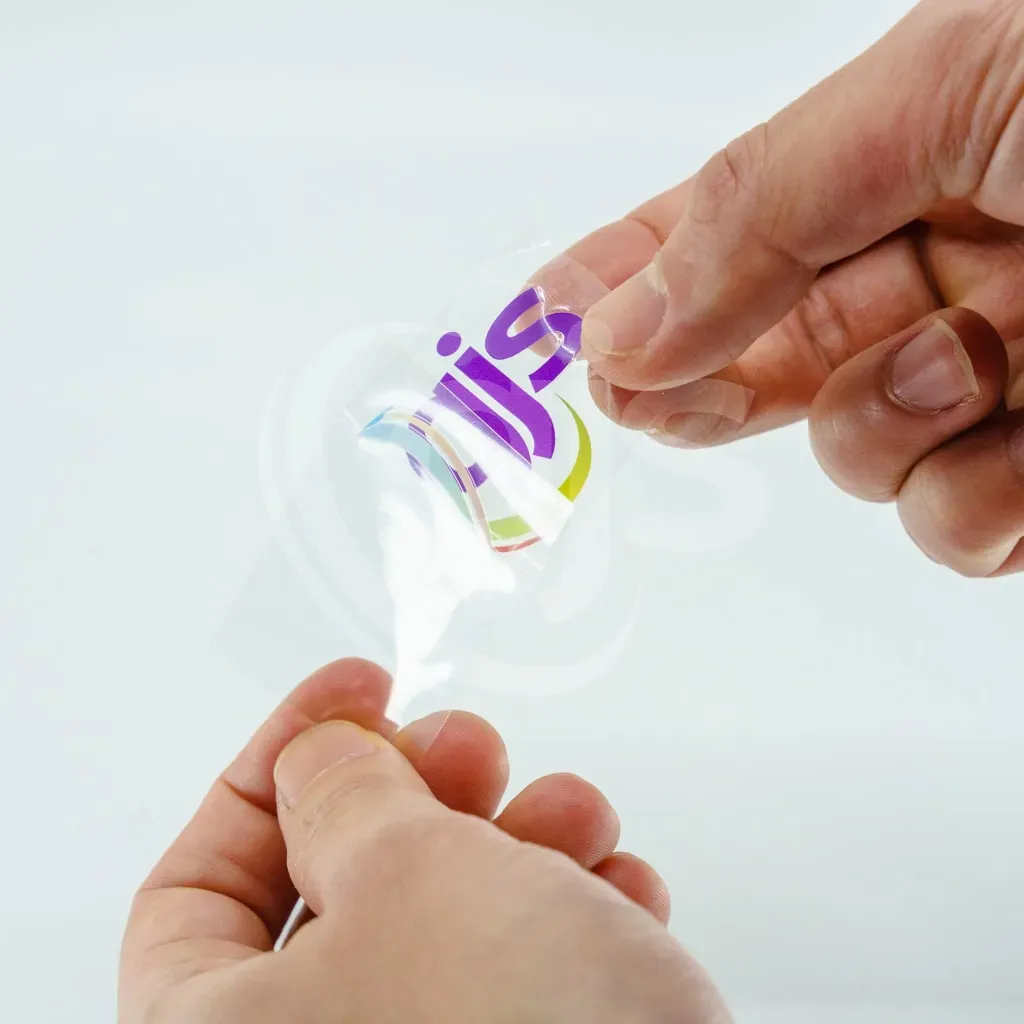
In the realm of printing industry innovations, UV DTF stands out as a groundbreaking technology reshaping how print professionals operate. Short for UV Direct to Film, this method combines the speed of ultraviolet curing with the flexibility of Direct to Film printing, enabling high-quality, vibrant outputs on a variety of substrates. The quick curing process ensures that printed materials are ready for immediate handling, significantly boosting turnaround times for businesses. As sustainability becomes increasingly vital, UV DTF also aligns with eco-friendly practices, making it an attractive option for modern printing needs. Join us as we delve into the multifaceted benefits of UV DTF, exploring how it can elevate print quality, reduce production times, and foster creativity within the industry.
Also known as UV Direct to Film printing, UV DTF is revolutionizing the way prints are produced and delivered. By leveraging UV printing technology, this technique allows for the rapid application of vibrant inks that cure instantly, addressing the demands for efficiency and quality in today's fast-paced printing landscape. Unlike traditional printing methods, which can be limited by substrate choices and lengthy drying times, UV DTF opens new avenues for creativity, catering to a wide range of materials and applications. As the market shifts towards sustainable printing solutions, UV DTF not only meets the necessity for lower environmental impact but also appeals to eco-conscious consumers seeking durable and visually striking products. In this article, we will examine the expansive potential of UV DTF and its implications for the future of printing.
Understanding the Basics of UV DTF Technology
UV Direct to Film (UV DTF) technology is poised to revolutionize the way print professionals approach their craft. By utilizing ultraviolet light to instantly cure specially formulated inks, UV DTF offers a unique solution that combines speed with quality. Unlike traditional printing methods that can take time to dry, UV DTF allows prints to be ready for handling immediately after they are created. This immediate curing process is a game-changer for businesses looking to efficiently manage their workflows.
Furthermore, UV DTF technology stands out for its adaptability in printing across a wide variety of substrates. From flexible textiles to rigid materials like metals and ceramics, UV DTF provides endless possibilities for product customization. This flexibility allows print professionals to meet diverse client needs and tap into niche markets, showcasing the technology's eager adoption in an ever-competitive printing landscape.
Exploring the Key Benefits of UV DTF
One of the standout advantages of UV DTF technology is its superior print quality. The use of UV inks ensures vivid color reproduction and excellent detail, qualities that are essential for high-end applications like fashion and promotional products. When compared to traditional printing methods, the enhancements in durability also cannot be overlooked; prints produced via UV DTF are less susceptible to fading and damage, making them an ideal choice for items meant to endure wear.
In addition to vibrant aesthetics, UV DTF technology enables faster production times, a crucial factor for businesses striving to meet tight deadlines. By eliminating the drying phase commonly associated with older printing techniques, UV DTF can expedite the printing process significantly. This efficiency allows businesses to enhance their customer satisfaction by delivering products more quickly and showcasing their ability to handle larger volumes without compromising quality.
The Versatile Applications of UV DTF Technology
The versatility of UV DTF technology opens up numerous applications across various industries. For instance, the fashion and apparel sector can leverage this technology to create intricate designs on clothing, hats, and accessories, allowing for unique customizations that cater to individual tastes. Likewise, businesses in promotional merchandise can utilize UV DTF to print logos and artwork on items like mugs, pens, and tote bags, solidifying their branding effectively.
Additionally, the interior design industry can benefit from UV DTF through personalized prints on home decor items, furniture, or unique art pieces. This application of UV DTF exemplifies how the technology can meet consumer demands for personalized and bespoke products, further enhancing the offerings available in the market. As businesses begin to explore the myriad possibilities, UV DTF technology's potential impact on various sectors only continues to grow.
Sustainable Practices with UV DTF Technology
As concerns for environmental sustainability rise, UV DTF technology presents itself as a viable solution that aligns with eco-friendly printing initiatives. This printing method often uses eco-solvent inks which are less harmful to the environment compared to conventional inks, thereby reducing toxic emissions. Additionally, UV DTF processes typically consume less energy, further enhancing its appeal to companies looking to minimize their ecological footprint.
Not only does this technology help print professionals adopt more sustainable practices, but it also positions them ahead of the competition in an era where consumers prioritize environmental impact. By investing in UV DTF technology, printing businesses can not only market themselves as eco-friendly but also contribute to a broader movement towards sustainable manufacturing within the printing industry.
Challenges When Adopting UV DTF Technology
Despite its many advantages, the integration of UV DTF technology is not without challenges. The initial investment for UV DTF printers can be significant, which may deter some businesses from transitioning to this innovative method. Furthermore, the learning curve associated with operating new machinery and technologies requires time and training, representing a hurdle for print professionals eager to adapt swiftly.
Additionally, achieving consistent quality across diverse substrates can pose another challenge. UV DTF printers may require specialized inks and careful calibration to deliver optimal results on different materials. Thus, while the benefits are substantial, print professionals should be prepared to invest in understanding the technology to fully harness its capabilities.
The Future of UV DTF in the Printing Industry
The future landscape of the printing industry is likely to be shaped significantly by UV DTF technology. As manufacturers and businesses recognize both its potential and versatility, adoption rates are predicted to rise, establishing UV DTF as a standard practice in printing. The ongoing advancements in printhead technology and software solutions promise further improvements in print quality and operational efficiency, making this technology even more appealing.
Furthermore, as the demand for custom and high-quality printed products continues to grow, UV DTF's capabilities will be positioned at the forefront of fulfilling client expectations. By staying abreast of developments and mastering this technology, print professionals can ensure they remain competitive in a rapidly evolving marketplace, thus paving the way for innovative designs and sustainable practices.
Frequently Asked Questions
What is UV DTF technology and how does it enhance the printing process?
UV DTF technology, or UV Direct to Film printing, utilizes UV-curable inks that dry instantly under ultraviolet light. This innovation enhances the printing process by allowing print professionals to achieve vibrant, high-quality outputs on a variety of materials, reducing turnaround times significantly compared to traditional printing methods.
What are the key benefits of using UV DTF in the printing industry?
The key benefits of UV DTF in the printing industry include enhanced versatility across various substrates, superior print quality and durability with resistance to fading, faster production times due to immediate ink curing, and eco-friendly practices that align with sustainable printing solutions.
How does UV DTF technology compare to traditional printing methods?
UV DTF technology sets itself apart from traditional printing methods by offering faster drying times, the ability to print on diverse materials, and higher durability of prints. Unlike conventional methods, UV DTF minimizes the risk of smudging and fading, making it better suited for high-volume production and custom applications.
Can UV DTF technology be considered a sustainable printing solution?
Yes, UV DTF technology is often regarded as a sustainable printing solution. It typically requires less energy and uses eco-friendly inks compared to traditional methods. This technology can help businesses reduce waste and promote environmentally responsible practices, meeting the growing demand for sustainability in the printing industry.
What industries can benefit from UV DTF applications?
Various industries can benefit from UV DTF applications, including fashion and apparel for custom clothing, promotional products like mugs and keychains, interior design for unique wooden prints, sports equipment for personalized gear, and packaging for high-quality marketing graphics.
What challenges might print professionals face when adopting UV DTF technology?
Print professionals may face challenges such as high initial investment costs for UV DTF printers, a learning curve related to operating new technology, and the need for expertise to ensure consistent quality across different substrates, potentially requiring additional investment in specialized inks and materials.
| Key Point | Description |
|---|---|
| Enhanced Versatility | UV DTF allows printing on various substrates, expanding product offerings for print professionals. |
| Superior Quality and Durability | Rich, vibrant colors that are resistant to wear and smudging, providing high-quality outcomes. |
| Faster Production Times | Immediate curing of ink cuts down drying time, enabling quicker order fulfillment. |
| Eco-Friendly Practices | Commonly uses eco-friendly inks and less energy than traditional methods. |
| Growing Market Adoption | Increasing number of manufacturers adopting UV DTF technology for its efficiency. |
| Investment in Innovation | Advancements in technology improving print quality and operational efficiency will benefit users. |
Summary
UV DTF technology emerges as a revolutionary force within the printing industry, offering remarkable benefits such as versatility, superior quality, rapid production times, and eco-friendly options. Its unique capability to print on a wide range of materials enhances customization opportunities, positioning it as a vital tool for print professionals looking to innovate in an ever-evolving market. As the adoption of UV DTF continues to grow, businesses that embrace this cutting-edge technology will not only improve their operational efficiency but also cater expertly to diverse consumer needs. The future of printing is undoubtedly leaning towards UV DTF, setting a new standard for quality and creativity.