
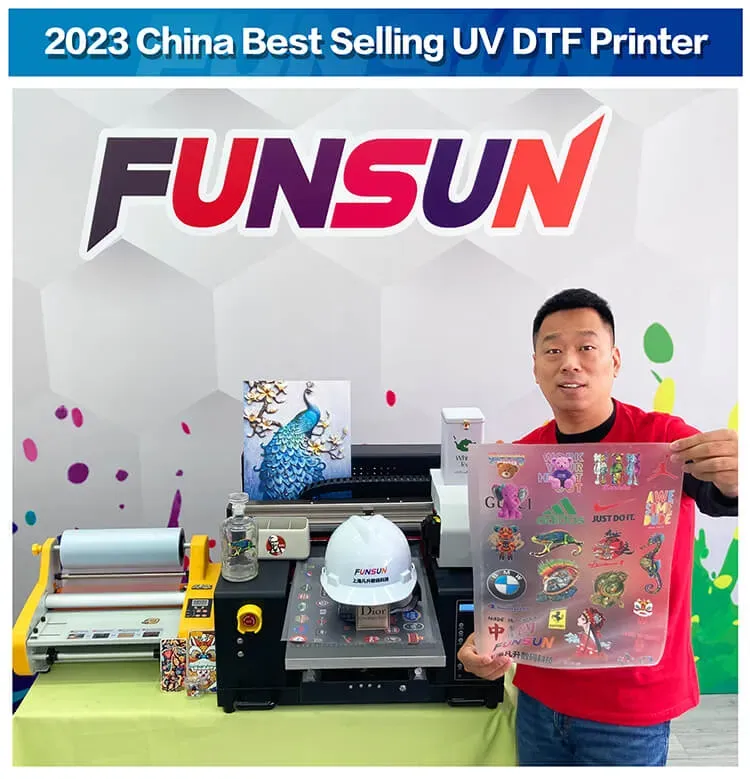
In the fast-evolving world of printing technology, UV DTF printing stands out as a groundbreaking innovation. This cutting-edge method utilizes ultraviolet light to cure ink directly onto film, making the transfer process not only efficient but also stunningly vibrant. As we witness a surge in interest, particularly with advancements from companies like Mimaki and EazyDTF, it’s clear that UV DTF technology is about to transform the landscape of graphic reproduction. Moreover, the durability of UV-cured prints ensures that they will captivate audiences for years to come. Join us as we explore the remarkable journey of UV DTF printing and its potential to reshape how we think about printed materials.
The advent of direct-to-film (DTF) printing has ushered in a new era for graphic design, marked by breakthroughs such as elegant UV curing processes. This technology allows designers to achieve intricate, high-resolution prints across various substrates, evolving from traditional printing methods used for decades. The latest innovations in printing, including advancements showcased by the eufyMake E1 printer, enable creators to produce personalized items from their homes with high precision. As the industry embraces these modern solutions, the potential for creative expression and business opportunities expands significantly. Emphasizing versatility and durability, this approach marks a significant leap forward for both commercial and individual printing endeavors.
Unpacking UV DTF Technology: The Print Revolution
UV DTF technology stands at the forefront of modern printing innovations, showcasing its ability to revolutionize how graphics are reproduced. By utilizing advanced ultraviolet light, UV DTF printing cures the ink into a durable finish directly onto special transfer films. This process significantly enhances color vibrancy and detail, making it a desirable choice for many businesses looking to produce high-quality prints. Unlike traditional methods, UV DTF extends the life of prints by creating images that can withstand various environmental factors, demonstrating its robust capabilities.
Moreover, UV DTF printing simplifies the application process for intricate designs on multiple materials, enabling greater creativity and flexibility. As technology continues to advance, more enterprises are beginning to embrace this printing method, recognizing its advantages over standard techniques like screen printing and DTG. The result is a shift towards more efficient production processes that can meet the growing demands of personalized merchandise and large-scale commercial projects.
Mimaki UV Printers: Pioneering Print Excellence
Mimaki has established itself as a powerhouse in the realm of UV printing technology, continuously pushing boundaries with its innovative UV DTF printers. With features designed for streamlined workflows and improved print quality, these machines exemplify what modern printing innovations can achieve. Their printers are equipped with cutting-edge technology that reduces downtime and maximizes efficiency, catering to both industrial and small-scale print requests.
Not only do Mimaki’s UV DTF printers support a diverse range of materials, but they also produce exceptionally durable prints that resist fading and wear over time. This durability is vital for labels, promotional materials, and even fashion items that will see regular use. As designers and business owners seek high-quality solutions that can keep pace with their creativity, Mimaki continues to lead the charge in delivering reliable, high-performance printers fuelled by UV technology.
The Rise of EufyMake: Personalizing UV Printing for Everyone
The introduction of the eufyMake E1 printer represents a significant milestone in making UV printing technology accessible to the everyday user. This innovative device brings the quality of industrial-grade printing into the home, allowing individuals to create detailed, customized designs with ease. The E1 model opens the door to new creative opportunities, enabling hobbyists and small businesses to engage in projects that were previously reserved for commercial printing operations.
By integrating user-friendly features and advanced capabilities, the eufyMake E1 printer exemplifies the trend towards personalization in printing. Users can explore their creativity on various substrates, elevating the potential for personalized gifts, home decor, and other unique items. As more individuals adopt this technology for custom projects, it can be anticipated that UV DTF printing will become a staple in arts and crafts communities, further bridging the gap between professional and amateur printing.
Advantages of UV DTF Printing: Why It’s a Game-Changer
One of the standout benefits of UV DTF printing is the exceptional color reproduction that it offers. The use of UV inks allows for a wider color gamut and intense saturation, resulting in stunning visuals that draw attention. This quality is particularly important in industries like fashion, advertising, and product packaging, where color accuracy can make or break a brand’s appeal. By delivering such vibrant results, UV DTF printing enhances the potential for businesses to make impactful statements with their marketing materials.
In addition to color vibrancy, the durability of UV-cured prints contributes significantly to their appeal. Unlike traditional prints that may fade or chip over time, UV DTF prints are resistant to abrasion and environmental factors, ensuring that they retain their visual appeal for a much longer period. This longevity translates into a cost-effective solution for businesses, as they can produce high-quality products without the fear of frequent replacements or damage.
Navigating Challenges in the UV DTF Landscape
While the advancements in UV DTF printing are exciting, they are not without their challenges. One significant barrier to entry is the high initial investment required for UV DTF equipment. This financial hurdle can deter smaller companies or individual entrepreneurs from investing in the technology, limiting their ability to offer premium printing options. However, as the technology matures and more manufacturers enter the market, it is likely that prices will become more accessible.
Another challenge lies in the learning curve associated with mastering UV DTF printing techniques. While the equipment may be user-friendly, understanding the intricacies of ink settings and transfer processes is essential for achieving optimal results. Training and education play vital roles in overcoming these hurdles, ensuring that users can fully maximize the potential of UV DTF technology and produce exceptional prints.
Future Innovations in UV DTF Printing: What Lies Ahead
As the UV DTF printing market continues to evolve, we can expect to see exciting innovations that will further enhance its appeal. One of the most promising trends is the advent of automation in the production process. Automated systems can significantly streamline workflows, reducing manual labor and minimizing human error. This advancement not only increases efficiency but also allows businesses to maximize output and meet growing demands for rapid turnaround times.
Furthermore, there is a strong focus on sustainability within the printing industry, with an increasing shift towards eco-friendly inks and processes. As consumer awareness and demand for sustainable practices rise, UV DTF printing technology is likely to adapt by offering greener alternatives that appeal to environmentally-conscious buyers. By intertwining innovation and sustainability, the future of UV DTF printing holds immense potential to reshape industry standards while catering to modern values.
Frequently Asked Questions
What are the main benefits of UV DTF printing compared to traditional printing methods?
UV DTF printing offers several advantages over traditional methods, including vibrant colors, enhanced durability, and versatility. The use of UV inks ensures superior saturation, while the curing process results in prints that are resistant to fading, scratching, and suitable for a variety of substrates, making it a preferred choice for many industries.
How do Mimaki UV printers contribute to the advancement of UV DTF technology?
Mimaki UV printers are at the forefront of UV DTF technology advancements, showcasing innovations that enhance print quality and efficiency. Their machines facilitate quicker curing times and optimize workflow, allowing businesses to meet production demands more effectively, ultimately raising the standard of graphical reproduction.
What role does the eufyMake E1 printer play in the UV DTF printing landscape?
The eufyMake E1 printer brings accessibility to UV DTF printing technology for home users, allowing for personalized and detailed prints. This innovation bridges the gap between industrial capabilities and consumer needs, paving the way for a broader adoption of UV DTF printing in various settings.
Can UV DTF printing be used on various materials, and what are the most common applications?
Yes, UV DTF printing is highly versatile and can be applied to diverse materials including fabrics, plastics, and metals. Common applications range from promotional items and signage to custom apparel and decor, making it suitable for many different industries.
What challenges do businesses face when adopting UV DTF printing technology?
Businesses may encounter challenges such as high initial equipment costs and a steep learning curve associated with mastering UV DTF printing techniques. Understanding print settings and film transfers can require time and training, which may deter some operations from making the switch.
What future trends should we expect in UV DTF printing technology?
Future trends in UV DTF printing are likely to include increased automation for streamlined production processes and a surge in sustainability efforts, with innovations focusing on eco-friendly inks and practices to meet the growing demand for environmentally conscious printing solutions.
| Key Points | Details |
|---|---|
| Definition of UV DTF Printing | A printing method that uses UV light to cure ink directly onto film before transferring it onto various substrates, resulting in vibrant prints. |
| Historical Context | UV DTF printing evolved from traditional DTF methods, addressing limitations in screen printing and DTG processes. |
| Key Developments | Innovations from companies like Mimaki and eufyMake are enhancing efficiency and making UV DTF technology more accessible. |
| Benefits | Includes vibrant colors, durability, and versatility across various materials and applications. |
| Challenges Faced | High initial equipment costs and a learning curve for mastering print settings. |
| Future Trends | Automation and sustainability will be key focuses for future advancements in the industry. |
Summary
UV DTF printing is revolutionizing the graphic reproduction landscape with its advanced technology and high-quality output. As the industry continues to evolve, this printing methodology demonstrates remarkable potential in producing vibrant, durable prints on a variety of materials. Innovations by companies such as Mimaki and eufyMake are making UV DTF printing increasingly accessible, paving the way for personalized solutions and operational efficiencies. While challenges remain, particularly in terms of equipment costs and the learning curve, the prospect of automation and sustainability initiatives offers a promising future for this printing technique. Ultimately, understanding UV DTF printing is essential for professionals eager to stay ahead in the competitive printing market.