
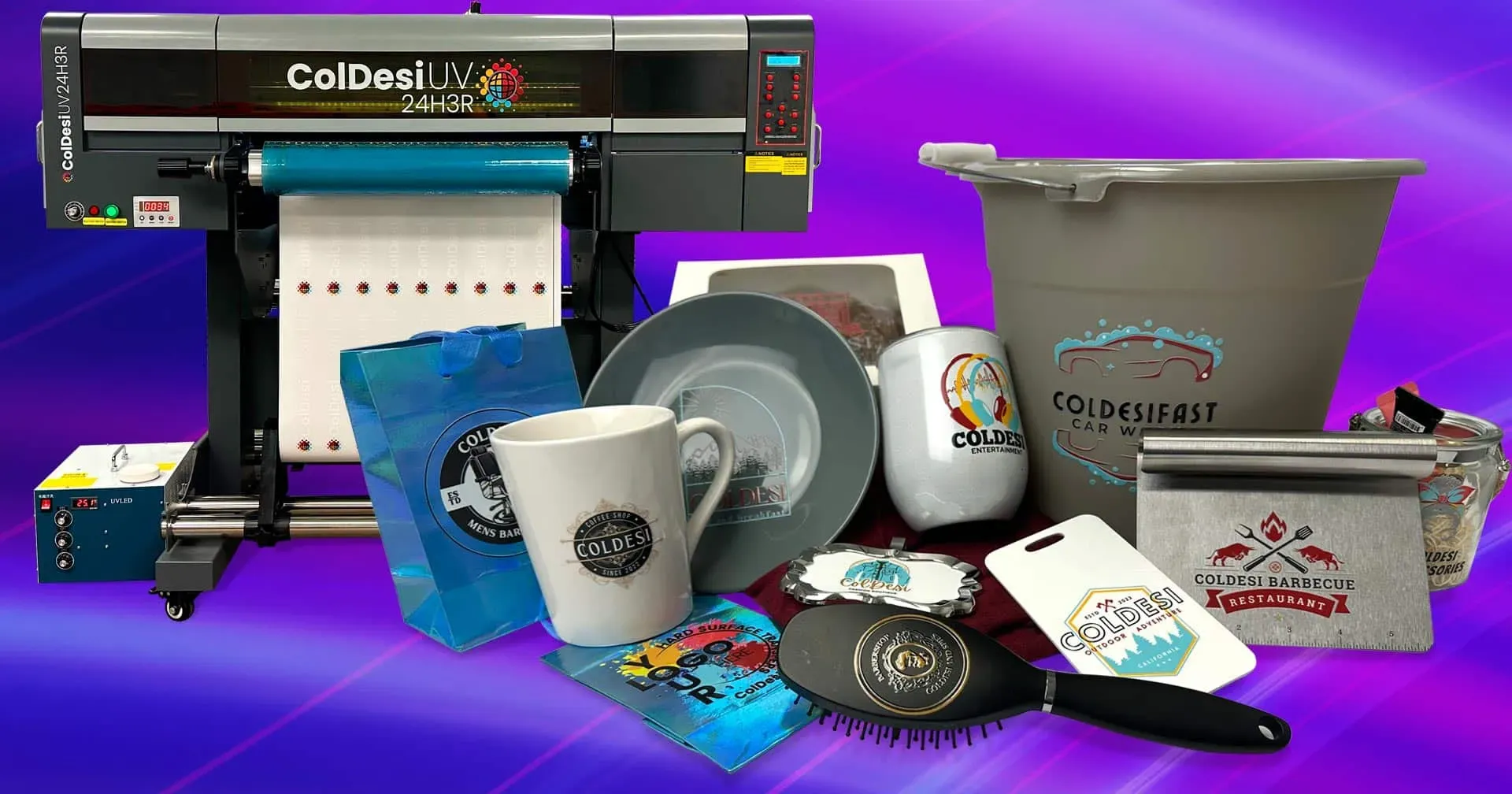
UV DTF Printing, or Direct to Film printing, is transforming the landscape of custom printing by combining the efficiency of UV printing technology with innovative film transfer techniques. This advanced printing method offers businesses the ability to create personalized products with striking colors and fast production times. As consumers increasingly demand sustainable printing solutions, UV DTF stands out by utilizing eco-friendly inks and processes, aligning with the need for responsible manufacturing practices. The result is a printing technology that not only enhances product quality but also supports a greener planet. In this article, we will explore the myriad advantages of UV DTF printing and its impressive potential in reshaping the market for custom-made items.
The emergence of Direct to Film technology marked a significant shift in the printing industry, blending traditional film transfer systems with cutting-edge UV printing advancements. Known for its remarkable versatility, this approach enables the creation of unique, customized products across various materials, from textiles to metals. The adoption of this innovative printing solution is not merely a trend; it reflects growing consumer preferences for sustainable and personalized creations. With an emphasis on quality and quick turnaround times, film transfer printing has become a viable choice for companies striving to stay ahead in an increasingly competitive environment. As we delve deeper into this topic, the many benefits and recent advancements in UV DTF will be unraveled, showcasing its essential role in contemporary custom printing.
The Rise of UV DTF Printing in Customization
In an era where personalization drives consumer choices, UV DTF printing is rapidly gaining popularity as a preferred method for custom printing. This technology allows businesses to create highly personalized products that cater directly to consumer preferences. With its ability to print on various substrates, from textiles to plastics, UV DTF enhances the customization experience, ensuring each product feels unique and tailored. As consumers seek distinctive products, the push for innovative printing solutions, such as UV DTF, is only expected to grow.
Moreover, the application of UV DTF in customization opens new avenues in promotional activities. Businesses are increasingly utilizing this technique to create bespoke items for marketing campaigns, enhancing brand visibility through visually striking prints. The capability to reproduce intricate designs with vibrancy and detail allows companies to stand out in competitive markets, making UV DTF a vital tool in the arsenal of modern custom printing.
Sustainable Printing Practices with UV DTF
Sustainability has become a cornerstone in the modern printing landscape, and UV DTF printing answers this call with its eco-friendly approach. By utilizing UV-cured inks and materials that prioritize environmental health, this technology minimizes waste and reduces harmful environmental impacts compared to traditional methods. Businesses adopting UV DTF not only enhance their product offerings but also align themselves with the growing consumer demand for sustainable practices, which is increasingly influential in purchasing decisions.
Additionally, the efficiency of UV DTF printing contributes to its sustainability. The quick curing times associated with UV light means that less energy is consumed in the production process. As brands shift towards greener practices, the ability of UV DTF to deliver high-quality results while keeping sustainability at the forefront makes it a game-changer in the printed products market. Embracing UV DTF translates into less waste and a lower carbon footprint, benefitting both companies and their customers.
The Technological Advancements of UV DTF Printing
Technological advancements play a pivotal role in enhancing the functionality and efficiency of UV DTF printing. Recent innovations in ink formulations and printing machinery have significantly improved print quality and reduced production times. High-performance printers are now capable of delivering sharper images, vibrant colors, and durable finishes that satisfy both business and customer needs. This evolution emphasizes the importance of staying at the forefront of technology to meet the demands of the ever-evolving custom printing industry.
Furthermore, as manufacturers continue to invest in research and development, UV DTF printing is set to become more accessible to a broad spectrum of businesses. Startups and established companies alike are exploring this technology, fueled by the potential for superior results and increased market competency. As the technology progresses, UV DTF will likely dominate the landscape of custom printing, offering solutions that cater to the diverse needs of industries ranging from fashion to promotional products.
Exploring Market Trends of Custom Products
The landscape of custom products is evolving, driven by rising consumer interest in personalization and unique offerings. UV DTF printing technology is at the helm of this shift, providing businesses with the capability to innovate and diversify their product lines. As customers increasingly seek items that reflect their style and preferences, brands that leverage UV DTF will likely gain a competitive edge. This trend underlines a substantial opportunity for companies willing to invest in modern printing solutions that align with current consumer behavior.
Additionally, market insights suggest that the demand for personalized products is not merely a fleeting trend but a substantial shift in purchasing habits. As e-commerce platforms grow and consumers seek curated experiences, UV DTF printing facilitates the creation of tailor-made products at scale. With its adaptability to various materials and substrates, businesses can meet niche needs while streamlining their production processes, thereby amplifying the trend towards customized goods.
Challenges Facing UV DTF Adoption
Despite the numerous benefits UV DTF printing offers, businesses encounter several challenges in its adoption. One of the foremost hurdles is the initial investment in advanced printing technology and equipment, which can be a significant barrier for smaller companies. Additionally, operational costs associated with maintaining high-quality production standards can deter businesses from integrating this innovative method into their workflow.
Moreover, there exists a knowledge gap regarding UV DTF technology among potential users. Educating staff and consumers about the advantages and capabilities of UV DTF compared to traditional printing methods is crucial for successful adoption. Companies that proactively address these challenges by investing in training and outreach initiatives are likely to harness the full potential of UV DTF, paving the way for its widespread use in the industry.
The Future of Custom Printing with UV DTF
Looking forward, UV DTF printing is set to be a cornerstone of the custom printing industry, marrying technology with creativity. As businesses continue to embrace this method, advancements in print quality and efficiency will only enhance its appeal. The ability to cater to individual consumer preferences while maintaining high standards of sustainability positions UV DTF as a frontrunner in the market, capable of fulfilling the changing demands of customers.
In conclusion, the future of custom printing is aligned closely with the innovations brought forth by UV DTF technology. As brands invest more in personalized products and sustainable practices, UV DTF will play an integral role in shaping product offerings across various sectors. For businesses looking to thrive in a competitive landscape, leveraging the unique advantages of UV DTF presents a vital opportunity to drive growth and establish lasting consumer relationships.
Frequently Asked Questions
What is UV DTF printing and how does it differ from traditional printing methods?
UV DTF printing, or Direct to Film printing, is a revolutionary technique that utilizes UV-cured inks applied onto a film, enabling designs to be printed on various substrates like textiles, plastics, and metals. Unlike traditional printing methods, UV DTF combines film transfer with UV printing technology, resulting in vibrant colors, sharper details, and more durable outputs.
What are the key advantages of using UV DTF printing for custom printing projects?
The key advantages of UV DTF printing include its versatility across different materials, sustainable printing practices with eco-friendly inks, and the high quality of prints that are vibrant and durable. Additionally, UV DTF technology allows for fast production speeds, making it an ideal choice for businesses seeking to fulfill customer demands efficiently.
Is UV DTF printing a sustainable printing option compared to other methods?
Yes, UV DTF printing is considered a sustainable printing option. It employs eco-friendly inks and reduces waste through its efficient printing process. This focus on sustainability is appealing to consumers who are increasingly seeking environmentally responsible products, making UV DTF a great fit for brands committed to sustainability.
Can UV DTF printing be used for personalized products?
Absolutely! UV DTF printing excels in creating personalized products. Its technology allows for intricate designs and vibrant colors on a wide range of materials, making it an excellent choice for custom printing solutions such as apparel, promotional items, and unique home decor.
What recent advancements have been made in UV DTF printing technology?
Recently, UV DTF printing technology has seen significant advancements, such as improved ink formulations and high-performance printing machines. These developments have enhanced print quality and efficiency, making UV DTF more accessible and appealing to a wide range of businesses looking to invest in custom printing.
How does UV DTF printing impact production speed for custom printing businesses?
UV DTF printing greatly enhances production speed due to its accelerated curing process, which uses ultraviolet light. This technology allows businesses to produce high-quality custom products much faster than traditional methods, meeting the increasing demand for rapid fulfillment in today’s fast-paced market.
| Key Features of UV DTF Printing | Details |
|---|---|
| Versatility in Applications | Can print on various materials such as textiles, plastics, and metals. |
| Sustainable Printing Practices | Utilizes eco-friendly inks and materials, reducing carbon footprint. |
| High-Quality Outputs | Produces vibrant colors and durable finishes that resist fading and wear. |
| Increased Speed of Production | Faster curing process due to UV light, allowing for quick turnaround. |
| Technological Innovations | Improvements in machinery and ink formulations enhance performance. |
| Market Trends | Growing demand for personalized items drives the adoption of UV DTF. |
| Challenges Ahead | Equipment costs and the need for skilled operators present hurdles. |
Summary
UV DTF Printing represents a transformative advancement in the world of custom printing, blending innovation with practicality. This revolutionary technology not only caters to a vast array of materials but also ensures sustainability through its eco-friendly practices. The high-quality outputs, characterized by vibrant colors and durability, underscore its potential in meeting the diverse demands of consumers. As we navigate recent technological innovations and evolving market trends, UV DTF is poised to redefine production dynamics in the custom printing industry. With its swift production capabilities and dedication to quality, businesses adopting UV DTF Printing can position themselves at the cutting edge of personalization and customization, securing a competitive advantage in a fast-paced market.