
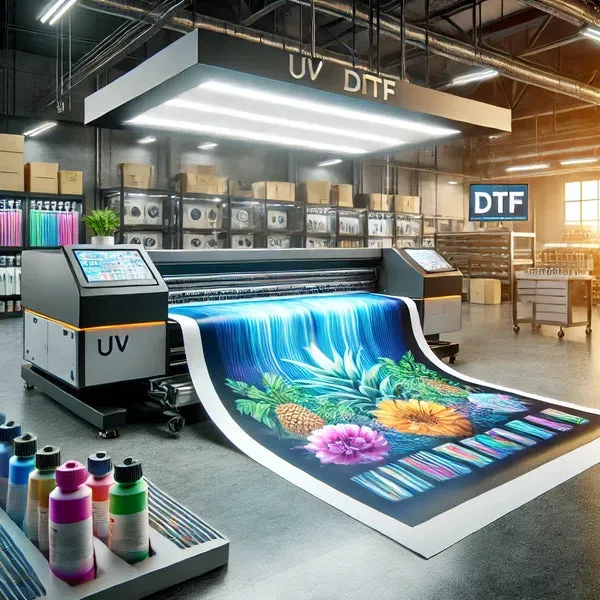
UV DTF technology, or Direct to Film, is revolutionizing the printing industry by setting new benchmarks for quality and sustainability. This innovative approach merges the traditional methods of DTF printing with the advantages of UV printing, resulting in stunning visuals with impeccable detail and durability. As consumers increasingly demand environmentally friendly options, UV DTF technology emerges as a leader in sustainable printing solutions. Its ability to produce vibrant, high-quality prints while minimizing waste makes it an attractive choice for businesses across various sectors. In this blog post, we will explore how UV DTF technology is transforming the landscape of custom printing solutions and enhancing efficiency in the printing industry.
The emergence of Direct to Film technology with UV curing is reshaping the landscape of the printing sector. By harnessing the powers of ultraviolet light, this system allows for the rapid production of intricate designs that adhere seamlessly to a variety of surfaces. The combination of traditional DTF methodologies with UV printing techniques yields vibrant colors and enhances longevity, catering to contemporary market needs. Furthermore, the focus on eco-conscious practices positions this technology as a forerunner in green printing alternatives, appealing to businesses eager to reduce their carbon footprint. This introduction to UV DTF technology highlights its potential to deliver quality and innovation in personalized printing experiences.
Understanding UV DTF Technology: A New Frontier in Printing
UV DTF technology, or Direct to Film printing, is an innovative method that utilizes ultraviolet light to instantly cure the inks as they are applied to the film material. This cutting-edge technology brings a myriad of advantages, including vibrant color accuracy and exceptional detail fidelity, which significantly enhances the aesthetic appeal of printed products. The integration of UV printing techniques optimizes the quality of prints, making it a popular choice for a myriad of applications in the printing industry.
In contrast to traditional printing methods that rely on more extensive drying times and often generate a considerable amount of waste, UV DTF technology proves to be a game-changer. With its ability to print directly onto varied substrates without any intermediate processes, this technology supports businesses in reducing turnaround times while maintaining the integrity of colors and designs. As a result, companies can respond more dynamically to market demands, fostering a culture of efficiency and quality.
The Diverse Applications of UV DTF Technology
One of the standout features of UV DTF technology is its adaptability across a wide range of substrates. From textiles like cotton and polyester to rigid items such as plastic, metal, and wood, the technology allows for unparalleled customization in the printing industry. This versatility caters to various sectors, including fashion, promotional products, and specialized packaging solutions, thereby driving increased demand for personalized items.
As consumer preferences shift towards unique and tailored products, the potential applications of UV DTF are virtually limitless. Businesses that harness this technology can offer custom printing solutions that resonate with their target audiences, fostering greater customer engagement and brand loyalty. With the advent of e-commerce, UV DTF is crucial in supporting brands looking to stand out in a competitive marketplace.
Technological Advancements Fueling UV DTF's Growth
The continuous evolution of UV DTF printers reflects the rapid advancements occurring within the printing industry. Modern UV DTF printers are now equipped with sophisticated software that can optimize print settings in real-time, enabling businesses to enhance productivity while maintaining high-quality outputs. Such innovations help in achieving faster turnaround times, which is essential for meeting the demands of today’s fast-paced consumer landscape.
These technological enhancements not only streamline operations but also provide businesses with the capability to handle larger volumes of orders without compromising on quality. Companies investing in advanced UV DTF printing technology are thus positioning themselves to capitalize on market opportunities, ensuring they remain competitive in a landscape that increasingly values efficiency and quality.”}]},{
Sustainability in the Printing Industry through UV DTF Technology
As sustainability becomes a paramount concern for businesses and consumers alike, UV DTF technology offers an eco-friendly alternative to traditional printing methods. By emitting fewer volatile organic compounds (VOCs) and minimizing ink waste, this innovative technology supports a shift towards greener practices in the printing industry. Adopting UV DTF not only aligns companies with environmental initiatives but also resonates with increasingly eco-conscious consumers.
Moreover, the shorter curing times associated with UV DTF technology allow for reduced energy consumption in the production process. Companies mindful of their carbon footprint can significantly benefit from this technology, showcasing their commitment to sustainable printing solutions. As the printing industry continues on this path towards sustainability, UV DTF technology is becoming a decisive factor for success.
Ensuring Quality and Durability with UV DTF Printing
One of the most significant advantages of UV DTF technology is the impressive durability of the printed products. UV-cured inks result in outputs that are resistant to fading, scratching, and overall wear and tear. This is especially critical in industries such as fashion and packaging, where vibrant colors and high-quality finishes are essential for retaining customer satisfaction long after the product has left the production floor.
Keeping quality and durability at the forefront is essential for brands aiming to build trust and loyalty with their customers. With UV DTF printing, companies can assure clients of their products' longevity and resilience, making it a preferred option for those seeking high-end, reliable solutions in the competitive printing landscape. This focus on quality not only enhances the brand’s reputation but also encourages repeat business.
Market Trends Illuminating the Future of UV DTF Technology
Current trends within the printing industry indicate a robust growth trajectory for UV DTF technology, driven by the increasing consumer demand for customized printing solutions. Market forecasts suggest that as online printing services expand, so too will the need for efficient and effective printing methods like UV DTF. As such, businesses that prioritize adopting this technology will find themselves well-positioned to meet evolving market demands.
Furthermore, the focus on personalization and high-quality custom printing solutions continues to fuel this growth. Companies leveraging UV DTF technology can create highly tailor-made products, catering to niche market segments, which is essential in today’s landscape. This adaptability not only capitalizes on current trends but also prepares businesses for future shifts, ensuring a sustained competitive edge.
Frequently Asked Questions
What is UV DTF technology and how does it enhance the printing industry?
UV DTF technology, or Direct to Film, is a revolutionary printing method that uses ultra-violet light to cure inks instantly as they're printed on a film. This technology enhances the printing industry by providing high-quality, durable prints while minimizing ink usage and reducing environmental impact. Its ability to produce vibrant and long-lasting images makes it ideal for custom printing solutions across various sectors.
How does UV DTF technology compare to traditional UV printing methods?
Unlike traditional UV printing, UV DTF technology allows for printing directly onto transfer films, which can then be applied to various substrates with ease. This method not only enhances the vibrancy and detail of printed images but also offers greater versatility in materials, making it a superior choice for custom printing solutions and offering opportunities for innovations in the printing industry.
What are the environmental benefits of using UV DTF technology in sustainable printing?
UV DTF technology significantly reduces volatile organic compounds (VOCs) emissions compared to traditional printing methods, making it a more eco-friendly option. With lower resource consumption and waste generation, businesses that implement UV DTF technology contribute to sustainable printing practices, aligning with consumer demands for environmentally friendly options in the printing industry.
What materials can UV DTF technology be used to print on?
UV DTF technology is highly versatile and can print on a wide range of substrates including textiles like cotton and polyester, as well as rigid materials such as plastics and metals. This adaptability allows businesses to create custom printing solutions for diverse applications, from promotional products to unique packaging, expanding the possibilities in the printing industry.
What advancements have been made in UV DTF printing technology?
Recent advancements in UV DTF printing technology include enhanced printer speeds and efficiencies, as well as sophisticated software for real-time print setting optimization. These developments ensure high-quality outputs while increasing productivity, making UV DTF a leading choice for businesses looking to meet the fast-paced demands of the printing industry.
What challenges do businesses face when adopting UV DTF technology?
While UV DTF technology offers numerous advantages, businesses may encounter challenges such as high initial setup costs and a learning curve associated with operating the advanced printers. However, investing in training and education for staff can mitigate these challenges, enabling companies to leverage the benefits of UV DTF technology effectively within the rapidly evolving printing industry.
| Key Point | Description |
|---|---|
| Introduction | Combines UV printing and traditional DTF for high-quality, sustainable printing. |
| Technology Overview | Uses UV light to cure inks instantly, resulting in vibrant and durable prints. |
| Adoption Rates | Increasing usage in textiles, packaging, and promotional items. |
| Technological Advancements | New printers optimize settings for speed and productivity, reducing turnaround times. |
| Quality and Durability | UV-cured prints offer resistance to fading and wear, making them ideal for long-lasting items. |
| Eco-Friendliness | Reduces VOC emissions and resource consumption, appealing to environmental concerns. |
| Market Growth | Predicted growth due to demand for customized solutions and online services. |
| Challenges | High initial costs and need for training, but investments are being made. |
Summary
UV DTF technology is revolutionizing the printing industry by providing unparalleled quality and environmental sustainability. This cutting-edge solution combines the benefits of UV printing with traditional DTF techniques, resulting in bright colors, excellent durability, and impressive print quality. As businesses are increasingly pressured to adopt sustainable practices, UV DTF technology emerges as an eco-friendly alternative that minimizes waste and reduces harmful emissions. The versatility of this technology allows it to cater to various sectors, enhancing productivity and efficiency. With ongoing technological advancements and growing market adoption, UV DTF is set to play a pivotal role in the future of printing, meeting the diverse demands of modern consumers while aligning with global sustainability goals.