
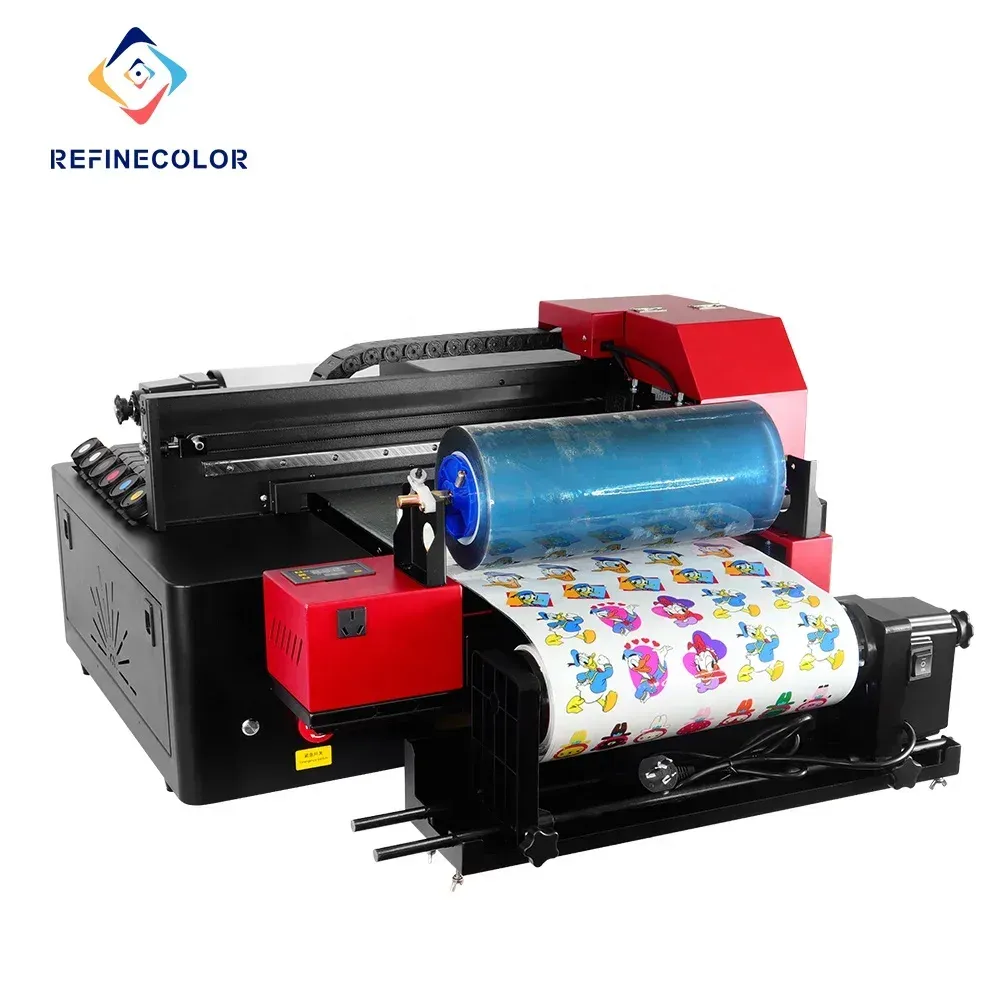
In the rapidly evolving landscape of printing technology, UV DTF (Direct-to-Film) printing stands out as a game-changing innovation. This cutting-edge method combines UV printing techniques with a transfer film process, resulting in vibrant, high-quality prints that are versatile enough for various applications. The benefits of UV DTF are numerous, with its ability to produce durable prints on an array of substrates, from textiles to metal, paving the way for enhanced customization. As sustainability becomes a critical focus in the industry, this technology offers eco-friendly solutions by significantly reducing VOC emissions compared to traditional printing methods. Discovering the transformative potential of UV DTF can position your business at the forefront of modern printing solutions.
Often referred to as Direct-to-Film UV printing, this revolutionary technology is reshaping the landscape of commercial printing. By employing ultraviolet light to instantly cure inks on a specific film, businesses can achieve not only superior print quality but also improve turnaround times and reduce waste. With a strong emphasis on sustainable printing practices, alternatives like this attract environmentally conscious consumers while providing endless creativity through customization. The diverse applications of UV DTF make it an essential consideration for any company looking to diversify its offerings and enhance its competitive edge. As we delve deeper into this subject, you'll uncover the myriad advantages that UV DTF brings to modern businesses.
Understanding UV DTF Printing Technology
UV DTF printing, or Direct-to-Film printing, is revolutionizing the printing industry by combining the benefits of UV (ultraviolet) technology with film transfer processes. This innovative method allows for immediate curing of the ink as it is applied to a special film, resulting in prints that are not only vibrant but also remarkably durable. Unlike traditional printing techniques that require extended drying times, UV DTF prints are ready for handling almost instantly, increasing overall production efficiency and reducing the risk of smudging or damage during the manufacturing process.
The versatility of UV DTF is one of its key advantages. It enables printing on a diverse range of substrates, including textiles, plastics, wood, and even glass. This adaptability makes it an ideal choice for businesses across various sectors, such as fashion, promotional goods, and product branding. By harnessing UV DTF technology, companies can produce high-quality, detailed imagery with a range of finishes, from matte to glossy, thereby catering to specific client needs and enhancing the appeal of their products.
Key Benefits of UV DTF Printing
One of the most compelling advantages of UV DTF printing is its ability to deliver exceptional durability. The UV inks used in this process are resistant to fading, scratches, and water damage, which ensures that the printed products maintain their quality and vibrancy over time. Businesses can offer guarantees on their products, bolstered by the long-lasting qualities of UV DTF prints. This not only enhances brand reputation but also leads to higher customer satisfaction and repeat business.
Additionally, UV DTF printing enables unparalleled customization options. With its wide range of applications, businesses can create bespoke designs tailored to individual customer preferences, whether through custom graphics or personalized messages. This level of customization not only fosters a deeper connection with consumers but also allows brands to stand out in a crowded marketplace, ultimately driving sales and customer loyalty.
Furthermore, this technology can significantly streamline production processes. The speed at which UV DTF prints are created reduces downtime and allows businesses to respond quickly to market demands. In today's fast-paced environment, having the ability to provide quick turnaround times while maintaining high-quality standards is invaluable for any competitive brand.
UV DTF Applications Across Different Industries
The diversity of UV DTF printing applications is impressive, making it a versatile choice for various industries. In the fashion sector, brands can utilize this technology to print intricate designs on fabrics that require precision and durability, paving the way for high-quality clothing and accessories. Similarly, in the electronics industry, UV DTF can be applied to create custom graphics on devices, enhancing brand visibility while providing protection against wear.
Moreover, the home decor market can benefit from UV DTF's capabilities, enabling businesses to produce unique prints on materials like tiles and wallpapers. The ability to print on both hard and soft substrates means that interior designers can easily achieve bespoke aesthetics that meet their clients' specific visions. With such broad applications, UV DTF establishes itself as an essential tool for innovation across sectors.
Sustainable Features of UV DTF Printing
Sustainability is becoming a core value for many businesses, and UV DTF printing presents an eco-friendly alternative to traditional printing methods. The use of UV inks significantly reduces the release of volatile organic compounds (VOCs) into the atmosphere, contributing to lower air pollution levels. By adopting UV DTF technology, businesses not only comply with stricter environmental regulations but can also appeal to a growing demographic of eco-conscious consumers.
Furthermore, the energy efficiency of UV DTF printers marks another sustainable benefit. These printers consume less energy per print compared to conventional options, which translates into lower operational costs and reduced environmental impact. Companies committed to sustainable practices can leverage UV DTF printing as part of their green initiatives, enhancing their corporate social responsibility profiles while still meeting high-quality production standards.
The Future of UV DTF in Business Strategies
As UV DTF technology continues to evolve, its integration into business strategies becomes increasingly vital. Companies that adopt this printing method will not only have a competitive edge but also the ability to innovate within their product lines. The emphasis on quality and efficiency provided by UV DTF presents the opportunity to explore new markets and customer segments, ultimately leading to business expansion.
In addition, ongoing advancements in UV DTF equipment and inks promise to further enhance the capabilities and applications of this printing technology. Businesses that invest in the latest innovations will be well positioned to lead in customization, quality, and sustainability, adapting quickly to changing consumer preferences and market trends.
Training and Implementation for UV DTF Success
To successfully integrate UV DTF printing into existing workflows, businesses must prioritize employee training and systematic implementation. This technology can introduce new processes that require staff to adapt, so providing adequate training ensures that all team members are equipped with the knowledge and skills needed to maximize its potential. Workshops, webinars, and hands-on training sessions can foster a deeper understanding among employees, leading to increased efficiency and reduced errors.
Moreover, establishing a clear implementation strategy is critical for the successful transition to UV DTF printing. Companies should evaluate their current operations, identify gaps, and determine how UV DTF can best fit into their production processes. By taking a thoughtful approach to implementation, businesses can smooth the integration of this technology, promote employee buy-in, and ultimately achieve successful results that help fulfill their goals.
Frequently Asked Questions
What is UV DTF printing and how does it work?
UV DTF printing, or UV Direct-to-Film printing, utilizes ultraviolet light to instantly cure ink onto a transfer film. This innovative process provides vibrant, durable prints that can be applied to a wide range of substrates like textiles, plastics, and metals, offering enhanced quality and application versatility.
What are the benefits of UV DTF printing for businesses?
The benefits of UV DTF printing include exceptional print quality, durability against fading and scratches, and customization options across various materials. Additionally, it enhances production efficiency, reduces waste, and caters to environmentally-conscious consumers due to its eco-friendly ink formulations.
What are the typical applications of UV DTF technology?
UV DTF technology is widely applied in industries such as fashion, electronics, and interior design. It is perfect for creating customized products ranging from apparel and promotional items to decorative elements and packaging, meeting diverse consumer preferences while offering creative flexibility.
How does UV DTF contribute to sustainable printing initiatives?
UV DTF printing significantly reduces the emission of volatile organic compounds (VOCs) due to the use of UV inks, making it a more sustainable printing option. This eco-friendly approach aligns with business practices that prioritize environmental responsibility, attracting customers who value sustainability.
How can businesses improve customization with UV DTF printing?
Customization with UV DTF printing is enhanced by its ability to print detailed designs on various substrates. Businesses can offer personalized products tailored to customer specifications, capitalize on short production times, and respond quickly to market trends, ultimately driving customer satisfaction.
What training resources are available for businesses adopting UV DTF technology?
Several industry leaders provide training and resources for businesses implementing UV DTF technology. Educational workshops, webinars, and comprehensive guides are available to help teams understand the technology, optimize operations, and enhance productivity in UV DTF printing.
| Key Point | Description |
|---|---|
| What is UV DTF Technology? | UV Direct-to-Film printing uses UV light to cure ink instantly on various substrates, ensuring vibrant, durable prints. |
| Market Growth | The UV DTF market is growing due to its efficiency and customization capabilities, essential for staying competitive. |
| Equipment Advancements | New printer models from companies like Epson and Mimaki enhance speed and ink quality, facilitating adoption. |
| Diverse Applications | Applicable in fashion, electronics, and design, UV DTF allows for unique custom products. |
| Eco-Friendly Practices | UV inks have lower VOC emissions, appealing to environmentally aware consumers. |
| Industry Case Studies | Companies using UV DTF report improved efficiency, quality, and customer satisfaction. |
| Training and Implementation | Ongoing training is crucial for successful integration of UV DTF technology. |
Summary
UV DTF technology represents a significant opportunity for businesses looking to elevate their printing capabilities. By adopting UV DTF, companies can achieve higher print quality, cater to diverse market needs, and embrace eco-friendliness, thus attracting a modern, conscientious consumer base. As the market evolves, those who integrate UV DTF into their operations will likely experience increased efficiency, customer satisfaction, and overall growth.