
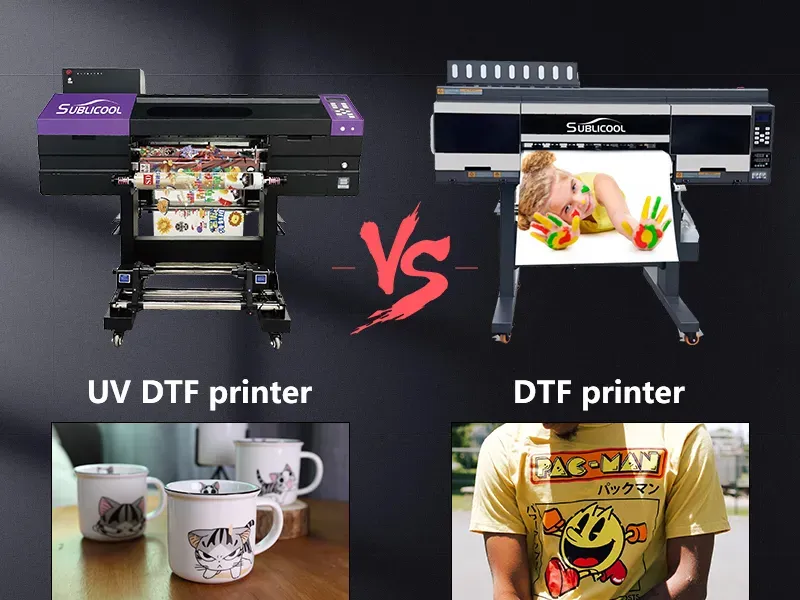
In the evolving world of printing technologies, the choice between UV DTF and traditional printing methods is becoming increasingly important for businesses and creatives alike. UV Direct to Film (DTF) printing offers a modern alternative to established techniques like screen printing and offset printing, making it a topic of growing interest. With advancements in UV printing techniques, this innovative approach provides unique advantages such as faster production times and eco-friendly printing options. On the other hand, traditional printing continues to hold appeal with its renowned screen printing advantages and offset printing quality, particularly for high-volume printing methods. As we delve deeper into the comparison between UV DTF and traditional printing, we'll uncover the key differences that can impact your decision-making process and ultimately influence the success of your projects.
When navigating the landscape of printing solutions, understanding the nuances between UV DTF printing and conventional printing techniques is vital. Often referred to as Direct to Film (DTF) printing, this newer innovation is transforming the industry, competing closely with time-tested methods such as screen and offset printing. Businesses today are increasingly seeking efficient production methods that deliver remarkable quality while minimizing environmental impact. Consequently, various eco-friendly printing options and rapid output capabilities are driving a shift towards these advanced digital techniques. In this exploration of contemporary printing choices, we will assess the strengths and weaknesses of UV DTF compared to traditional alternatives, guiding you towards informed decisions that meet your unique printing needs.
Key Differences Between UV DTF and Traditional Printing Methods
When comparing UV DTF and traditional printing methods such as screen and offset printing, several key differences emerge that can significantly impact the choice for businesses. Firstly, UV DTF utilizes ultraviolet light to cure inks directly onto films before transferring them to various substrates. This results in faster production times and vibrant, durable prints that appeal to modern consumers. On the contrary, traditional methods usually involve more extensive setup times, especially in screen printing, which can be labor-intensive and time-consuming.
Moreover, the versatility of UV DTF allows for printing on an array of materials, including textiles, plastics, and metals. This material adaptability is less common in traditional methods, which may struggle with specific substrates. Businesses aiming to diversify their offerings may find UV DTF a more attractive option due to its ability to produce high-quality outputs across different mediums. The sustainability aspect also tilts in favor of UV DTF, leveraging eco-friendly inks that reduce VOC emissions, while many traditional processes rely on more harmful solvents.
Advantages of UV DTF Printing
UV DTF printing brings several advantages that can benefit various industries, particularly those focused on high-quality outputs. One of the standout features is its remarkable durability, thanks to the curing process that enhances the resistance of prints to scrapes and wear. This makes UV DTF an excellent choice for products requiring longevity, such as promotional items and apparel. Additionally, the technology supports faster production turnaround, which is essential for businesses that need to fulfill urgent orders and adapt to changing market demands.
Another benefit of UV DTF is its capability to transform thin and complex designs into striking realities without the hassle of extensive setup associated with traditional printing methods. This efficiency not only increases productivity but also reduces waste, making UV DTF an economical solution for both small-scale and large-scale projects. Furthermore, as businesses begin to prioritize sustainable practices, the eco-friendly inks used in UV DTF printing present an attractive option, aligning with modern environmental standards.
Screen Printing Advantages: Why It’s Still a Popular Choice
Despite the increasing popularity of UV DTF printing techniques, screen printing remains a favored method for various applications, especially in high-volume orders. The primary advantage lies in its cost-effectiveness; for large batches of identical items, screen printing is unrivaled. By utilizing stencils, vast quantities can be produced quickly while maintaining color richness and depth, which appeals to clients wanting vibrant, long-lasting prints. This makes it a go-to choice for t-shirt printing, promotional merchandise, and extensive graphic applications.
However, businesses looking to leverage screen printing must be prepared for its labor intensity and longer lead times, particularly for complex designs. The setup process can incur significant labor and material costs, which might be less favorable for smaller runs. Still, for those working in bulk, screen printing offers an advantage that cannot be matched by UV DTF, combining tradition with proven effectiveness.
Offset Printing Quality: A Reliable Choice for Professionals
Offset printing continues to be a benchmark for quality in the printing industry, particularly for projects that demand intricate detailing. By transferring ink from a plate to a substrate, offset printing achieves unparalleled precision and color accuracy, making it the preferred option for professional print projects such as brochures, magazines, and packaging. The capability to maintain consistent quality over large print runs ensures that businesses receive uniform results every time, reinforcing brand identity through high-quality reproduction.
Similar to screen printing, offset printing is most efficient when handling large orders. Organizations that require bulk printing often find offset methods to be the most economical long-term solution, despite higher initial setup costs. The investment in offset printing equipment yields superior quality output, making it a worthwhile consideration for those prioritizing aesthetics and professionalism in their printed materials.
Eco-Friendly Printing Options: Sustainable Choices for Modern Businesses
With an increasing global focus on sustainability, eco-friendly printing options are becoming essential in the industry. UV DTF printing stands out as a modern alternative, utilizing eco-conscious inks and processes that significantly lower VOC emissions compared to conventional methods. As consumers and companies alike become more environmentally conscious, adopting such technologies not only aligns with ethical practices but also appeals to a growing market segment prioritizing sustainability.
In addition to UV DTF, other traditional methods are evolving; for example, water-based inks in screen and offset printing provide eco-friendly alternatives. By incorporating sustainable techniques, printing operations can reduce their carbon footprint while maintaining high-quality outputs. Embracing these eco-friendly printing options not only enhances a company's reputation but also contributes positively to environmental conservation efforts, establishing long-term benefits for both businesses and the planet.
High-Volume Printing Methods: Selecting the Right Technique
When faced with high-volume printing needs, selecting the right technique is crucial for efficiency and cost management. Traditional methods such as screen and offset printing are tried and tested options renowned for their ability to handle large orders effectively. With their capacity to produce uniform prints quickly, these methods align well with businesses focused on steady demand and standardization. The lower per-unit costs associated with large runs make them appealing for organizations looking to maximize their budget.
Yet, UV DTF is increasingly being introduced as a viable option for high-volume printing as well, especially as technologies advance and production capabilities grow. The rapid curing times and versatility in materials allow businesses to diversify their product offerings while still meeting high-output demands. As competition heats in the printing industry, staying informed of the best methods to accommodate volume without sacrificing quality is essential for success.
Frequently Asked Questions
What are the main differences between UV DTF and traditional printing techniques?
UV DTF printing utilizes ultraviolet light to cure ink, providing vibrant colors and durability, while traditional printing techniques like screen printing and offset rely on ink transfer methods. UV DTF is better for diverse materials and quick production, whereas traditional methods are more cost-effective for high-volume printing.
Is UV DTF printing more environmentally friendly compared to traditional printing methods?
Yes, UV DTF printing often employs eco-friendly inks that produce lower VOC emissions compared to traditional methods like screen printing and offset printing, which can use solvent-based inks. This makes UV DTF a viable option for businesses seeking sustainable printing solutions.
What are the advantages of screen printing compared to UV DTF?
Screen printing is highly advantageous for large bulk orders due to its cost-effectiveness and ability to produce rich, vibrant colors. In contrast, UV DTF printing is more versatile and provides faster production speeds, making it better suited for short runs and diverse applications.
Can UV DTF printing deliver quality comparable to offset printing?
While offset printing is known for its high-quality, detailed images ideal for large runs, UV DTF printing has improved significantly in quality. It offers vibrant colors and durability, making it a competitive choice for small to medium-sized projects requiring high-quality prints.
What are the initial cost considerations for UV DTF versus traditional printing?
UV DTF printing often has higher initial setup costs due to the need for specialized equipment, while traditional printing methods like screen and offset printing may have lower initial costs but can incur higher costs when considering setup times for new jobs.
How does production speed compare between UV DTF and traditional printing techniques?
UV DTF printing boasts significantly faster production speeds thanks to quick curing times, making it ideal for urgent orders. Traditional printing methods, especially screen printing, can be slower due to labor-intensive processes required for setup and execution.
| Key Points | UV DTF Printing | Traditional Printing Techniques |
|---|---|---|
| Overview | Uses UV light to cure ink on film for high-quality prints | Includes methods like screen printing and offset printing |
| Advantages | Durable, versatile on materials, faster production times, eco-friendly inks | Cost-effective for bulk printing, rich color depth, high quality for large quantities |
| Disadvantages | High initial costs, steep learning curve | Labor-intensive, inefficient for small runs, setup costs and time |
| Market Trends | Growing popularity due to accessibility and reduced operating costs | Consistent demand due to established methods and efficiencies in large orders |
| Sustainability | Lower VOC emissions, eco-friendlier inks | Higher environmental impact due to solvent-based inks |
Summary
UV DTF vs Traditional Printing is a critical comparison for businesses and individuals looking to choose the right printing method based on their specific needs. UV DTF printing harnesses advanced technology to deliver vibrant, durable prints quickly and sustainably across various materials. On the other hand, traditional printing methods such as screen and offset printing excel in cost-effectiveness for bulk orders and high-quality outputs for larger projects. Ultimately, the choice between these two printing techniques will depend on factors like production volume, material type, and budget considerations, making it essential to evaluate your own requirements to identify the best fit.