
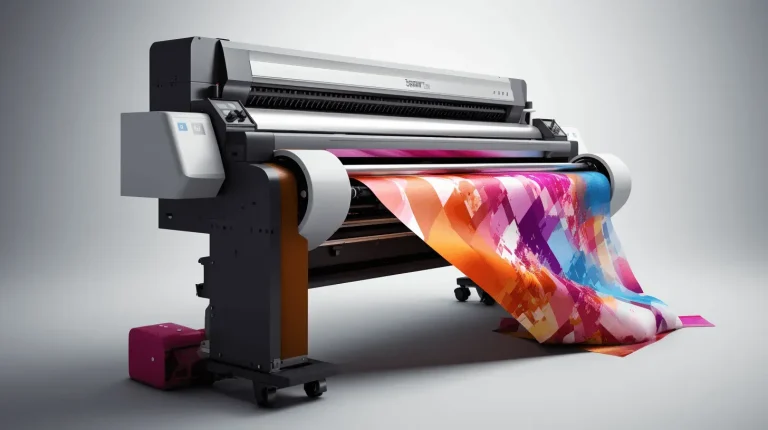
DTF printing, or Direct-to-Film printing, has emerged as a groundbreaking method in the realm of textile printing, revolutionizing how designs are transferred onto various fabrics. This innovative DTF technology simplifies the process of creating vibrant, high-quality custom apparel, making it an ideal choice for both small businesses and large enterprises. By utilizing specialized films and water-based inks, DTF printing ensures that intricate designs maintain their vivid colors and details even after multiple washes. As demand for personalized fabric printing continues to rise, understanding the advantages of this technique becomes crucial for anyone involved in the custom apparel industry. In this guide, we will delve into everything there is to know about DTF printing, its benefits, and why it’s becoming the go-to solution for textile printing.
Direct-to-Film printing, also known as DTF technology, is gaining traction as a preferred method for creating custom graphics on textiles. This advanced fabrication technique allows for high-quality fabric printing with remarkable precision and durability. By adopting this innovative approach, businesses can efficiently produce a wide range of custom apparel and textile products tailored to individual customer needs. As an alternative to traditional methods like screen printing, DTF incorporates modern processes that cater to the growing demand for personalization in the fashion industry. Embracing this technology opens new doors for those looking to enhance their offerings in the ever-evolving textile market.
The Rise of Direct-to-Film Printing in Custom Apparel
As the apparel industry becomes increasingly focused on personalization, Direct-to-Film (DTF) printing has emerged as a game-changer for custom apparel production. This innovative printing method allows designers to create vibrant, high-quality graphics on a variety of fabrics, making it ideal for producing unique items such as personalized t-shirts, hoodies, and more. Unlike traditional printing methods that require extensive setup and are often limited in the complexity of designs they can handle, DTF printing enables quick turnaround times and seamless integration of intricate graphics, ultimately meeting consumer demand with ease.
Moreover, DTF technology supports a wide spectrum of materials, including cotton, polyester, and various blends, allowing businesses to diversify their product offerings. This versatility means that retailers can cater to different market segments and customer preferences, thus enhancing their competitive edge. By adopting DTF printing, companies are not only tapping into a trend but are also investing in a sustainable solution that minimizes waste and reduces resource consumption compared to other, more traditional textile printing techniques.
Exploring the Benefits of DTF Technology in Textile Printing
DTF printing technology offers numerous advantages that have contributed to its rising popularity within the textile printing sector. One of the standout benefits is its ability to produce vibrant and detailed prints. With water-based inks that boast brilliant color accuracy and retention, businesses can deliver high-quality products that exceed customer expectations. This feature is particularly crucial in a market where consumers prioritize aesthetics and quality, especially for custom apparel selling.
Additionally, DTF printing presents a fantastic solution for businesses looking to create durable prints. The final result boasts wash resistance and longevity comparable to, if not exceeding, that of traditional screen prints. This ensures that the custom designs remain intact and vibrant after multiple washes, resulting in higher customer satisfaction and fewer returns. Consequently, the durability factor is a significant selling point for businesses, enhancing both the perceived value and longevity of their products.
DTF Printing vs. Traditional Methods: A Comparative Analysis
When comparing DTF printing with traditional methods like screen printing and direct-to-garment (DTG), several distinct advantages emerge that highlight its efficiency and effectiveness. Unlike screen printing, which requires separate screens for each color, DTF printing streamlines the design process by allowing multiple colors to be printed simultaneously on a single film. This not only reduces setup time but also minimizes the likelihood of errors during production, providing greater convenience for businesses.
In contrast to DTG printing, which works best on 100% cotton garments, DTF printing excels in its compatibility with a broader range of fabrics. This allows practitioners to expand their market reach and produce designs on various textiles, from poly blends to specialty fabrics. As such, DTF technology is rapidly becoming the preferred choice for businesses aiming for flexibility and efficiency in their textile printing operations.
Current Market Trends in DTF Printing
The market for DTF printing is witnessing remarkable growth as demand for personalized and custom apparel surges. This trend is propelled by changing consumer preferences towards unique products that reflect individual styles. Industry experts note that businesses integrating DTF printing can capitalize on these preferences, positioning themselves ahead of competitors who may still rely on more traditional, less flexible printing methods.
Recent statistics suggest that the apparel segment within the DTF printing market is expected to experience substantial growth in the coming years. Increasing investments in marketing and technological advancements further drive this trend. As more businesses recognize the potential of DTF technology, they are likely to shift production strategies, leveraging this innovation to enhance operational efficiency and product quality.
Addressing Challenges in DTF Printing Implementation
While DTF printing offers many advantages, businesses may face several challenges during implementation. One of the primary hurdles is the initial investment required to acquire high-quality printers and materials. For smaller companies with limited budgets, the costs associated with entering the DTF printing market can be daunting. This upfront financial barrier necessitates a thorough evaluation of potential return on investment to ensure sustainability.
Additionally, mastering the intricacies of DTF technology presents a learning curve for many businesses. Properly calibrating printers, selecting the right film types, and applying adhesives correctly are vital to producing optimal results. As employees acquire the necessary skills, companies must be prepared to invest time and resources into training programs that foster competency in DTF printing processes.
Innovations and Developments in DTF Technology
The landscape of DTF printing is constantly evolving, with recent innovations aimed at enhancing both print speed and quality. Manufacturers are pushing the boundaries of DTF technology to improve workflow efficiency and reduce production costs, making it increasingly viable for small to medium-sized enterprises. These advancements not only ensure that businesses can fulfill larger orders promptly but also guarantee that the quality of output remains uncompromised.
Additionally, as environmental sustainability becomes a focal point across industries, the DTF printing sector is also seeing developments in eco-friendly inks and materials. These innovations are essential for meeting the growing consumer demand for sustainable fashion options, positioning DTF printing as a key player in the future of eco-conscious textile printing solutions.
Frequently Asked Questions
What is DTF printing and how does it work?
DTF printing, or Direct-to-Film printing, is a digital textile printing method that allows vibrant designs to be transferred onto fabrics. It involves printing a design onto a transparent polyester film using water-based inks, applying an adhesive powder, and then heat-pressing the film onto the fabric to create a permanent bond.
What are the benefits of using DTF technology for custom apparel?
The benefits of DTF technology for custom apparel include its versatility to work with various materials like cotton and polyester, the ability to produce vibrant and intricate prints, and high durability comparable to traditional screen printing. These features make it ideal for businesses focusing on personalized textile printing.
How does DTF printing differ from traditional textile printing methods?
DTF printing differs from traditional methods like screen printing and DTG printing by using a film as the transfer medium. This method allows for better color vibrancy, fine details in design, and is often more efficient for small-batch custom fabric printing, making it a modern alternative in textile printing.
Is DTF printing suitable for all types of fabrics?
Yes, DTF printing is suitable for a wide range of fabrics, including cotton, polyester, and blended materials. This versatility allows businesses to create custom apparel and promotional merchandise across various fabric types, catering to diverse customer needs.
What challenges do businesses face when adopting DTF printing?
Businesses adopting DTF printing may encounter challenges such as initial investment costs for high-quality printing equipment and the learning curve associated with mastering printer settings, film types, and adhesives. Careful planning and training can help mitigate these issues.
What are the current trends in the DTF printing market?
Current trends in the DTF printing market include a growing demand for personalized and custom apparel, rapid advancements in DTF technology improving print quality and speed, and an increasing number of businesses integrating DTF printing into their workflows for enhanced efficiency and adaptability.
| Key Points | Details |
|---|---|
| What is DTF Printing? | DTF Printing refers to Direct-to-Film printing, a modern textile printing method that transfers designs onto fabrics using a film as a medium. |
| Process Overview | The process involves creating a digital design, applying adhesive to the printed film, and heat-pressing it onto fabric. |
| Benefits | Benefits include versatility across materials, vibrant print quality, and durability comparable to traditional methods. |
| Market Trends | The demand for custom apparel is increasing, leading to significant growth in the DTF market due to its cost-effective printing solutions. |
| Challenges | Challenges include high initial investment costs and a learning curve associated with mastering the technology. |
| Recent Innovations | Recent advancements focus on improving print speeds and quality while reducing production costs, enhancing DTF’s appeal. |
| Integration into Business Workflows | More businesses are adopting DTF printing due to its efficiency and adaptability for customizable goods. |
Summary
DTF printing is revolutionizing the textile printing industry by providing a flexible and high-quality method for transferring designs onto fabric. With its ability to produce vibrant colors and intricate details, it meets the growing consumer demand for personalized apparel. However, businesses must carefully weigh the initial costs and learning curve associated with this technology. As advancements continue to evolve, DTF printing is expected to play an increasingly significant role in the market, particularly for those looking to efficiently cater to unique customer preferences.