
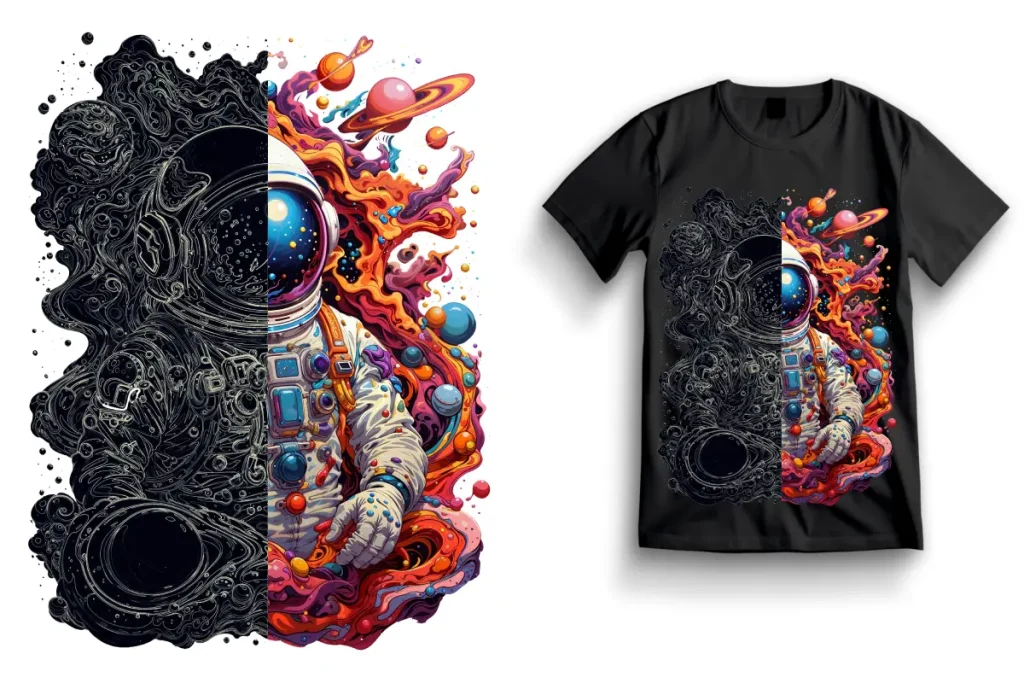
Launching a custom clothing line or managing a busy print shop comes with a unique set of production hurdles, from handling high inventory costs to dealing with complex, multi-colored artwork files. For years, custom decorators had to choose between the high setup costs of screen printing or the rigid, thick texture of traditional heat transfer vinyl sheets. Today, the rise of commercial-grade dtf transfers has completely flipped the script for independent designers and apparel professionals alike. This modern heat-applied decoration technology allows you to produce vibrant, photorealistic prints on virtually any textile without the heavy upfront investments historically required by old-school methods.
For apparel creators aiming to maximize their profit margins, understanding the mechanical process behind this innovative system is a total game-changer. The capability to print complex designs onto a specialized film carrier and store them for future use gives business owners ultimate operational flexibility. In this definitive playbook, we will break down the precise structural layers, physical parameters, and local sourcing strategies that make DTF printing the fastest-growing method in the modern textile industry, ensuring you have the technical knowledge to scale your business efficiently.
The Structural Engineering of Digital Film Printing
To fully grasp why this decoration style outpaces traditional custom methods, you must understand the multiple layers that construct a single piece of transfer film. Instead of splashing liquid pigments directly onto raw fabric, this digital approach builds a layered structure on a temporary plastic release liner, ensuring perfect registration and crisp edges every single time.
The system relies on high-grade polyethylene terephthalate sheets coated with a microscopic matte release agent. A specialized digital inkjet printer deposits cyan, magenta, yellow, and black water-based pigments directly onto the film surface according to your digital graphic design. Immediately after the colored pigments are laid down, a thick layer of opaque white ink is printed directly over the top of the design, forming a solid backing layer that isolates the artwork from the color of the garment underneath.
While the white ink layer is still completely wet, the film passes into an automated powder applicator where a finely ground hot-melt polyurethane adhesive powder is applied. This thermoplastic powder sticks exclusively to the wet areas of the design. Once exposed to controlled heat in a curing oven, the individual powder granules melt together, forming a smooth, uniform rubberized layer that bonds directly with the dry ink pigments. This multi-layered structure is what creates a rugged, highly stretchable emblem ready to be fused onto a fabric surface via a standard heat press machine.
Fusing Parameters: The Science of Heat, Time, and Pressure
Achieving a permanent bond that easily outlasts the life of the garment requires a precise balance of physical conditions during the thermal application phase. Even the highest-quality materials will fail prematurely if your workplace equipment settings are misconfigured. Let us look at the fundamental metrics required to achieve a professional retail finish.
- Thermal Range: Most standard commercial setups operate best between two hundred and ninety and three hundred and twenty degrees Fahrenheit. Synthetic materials like pure polyester require lower temperatures to prevent fabric scorching, while heavy cotton blends can tolerate higher heat levels to ensure deep adhesive penetration.
- Mechanical Compression: Medium to firm pressure is required to push the liquified polyurethane matrix deep into the microscopic gaps between the individual textile yarns. Light pressure only attaches the transfer to the very top fuzz of the fabric, leading to peeling after a few wash cycles.
- Duration Metrics: The initial heat cycle should last between twelve and fifteen seconds. This gives the thermoplastic backing sufficient time to transition back into a liquid state and intertwine with the structural threads of the garment.
Overcoming Geographic Obstacles in Commercial Print Sourcing
For small business owners operating on tight deadlines, shipping delays can destroy customer satisfaction. When a sudden corporate order or local sports team request lands on your desk, waiting a week for critical materials from an overseas distributor is out of the question. This operational bottleneck explains why countless apparel decorators routinely search for premium dtf transfers near me to establish rapid, regional supply chains.
Partnering with a reliable regional production house completely eliminates international customs friction and reduces shipping transit times down to a single day. Local micro-manufacturing hubs allow small businesses to adopt a just-in-time inventory model, saving valuable studio space and keeping overhead costs remarkably low while maintaining a steady flow of fresh inventory.
Dominating the Texas Custom Apparel Landscape
Texas has established itself as one of the most competitive markets for custom apparel production and lifestyle streetwear brands. For creators operating within the regional commerce hubs of the Lone Star State, sourcing the absolute best dtf transfer at Houston facilities ensures that your finished merchandise possesses the rich, heavy pigment loads and premium hand-feel required to capture consumer attention in a crowded marketplace.
The intense summer heat and high humidity levels in the southern regions mean that custom prints must be exceptionally resilient. Working alongside a dedicated, high-capacity Houston dtf transfer specialist guarantees that your clothing line uses specialized, wash-tested polyurethane formulas engineered to survive frequent laundering cycles without exhibiting signs of premature cracking, color fading, or edge lifting.
Optimizing Digital Files for Flawless Pressing Results
While modern digital print heads can reproduce incredibly complex gradient transitions and fine typographic lines, the physical reality of the transfer process dictates certain digital design limitations. Ensuring your creative files adhere to strict production standards prevents structural failures on the finished apparel items.
Your source vector files or raster artworks must be exported at a minimum resolution of three hundred dots per inch at the exact output dimensions. Any transparent areas within your artwork must be completely clean; random semi-transparent pixels or soft dropshadows will cause the printer to drop white backing ink, resulting in an unsightly white border around your final pressed graphics. Furthermore, any graphic lines or text strokes should maintain a minimum thickness of 0.02 inches. Microscopic details thinner than this threshold do not contain enough surface area to retain an adequate layer of adhesive powder, which inevitably causes those fine elements to lift off the fabric during the film peeling process.
Frequently Asked Questions
What is the primary difference between cold peel and hot peel films?
The difference lies entirely in the chemical properties of the release coating on the plastic film sheet. Hot peel films allow you to remove the plastic sheet instantly within two to three seconds of lifting your press head, which dramatically speeds up high-volume commercial production lines. Cold peel films require the garment to cool down to room temperature before removal, providing maximum security for highly detailed graphics or delicate fabrics.
Can I apply these graphic transfers to waterproof or coated jackets?
Applying standard transfers to garments treated with durable water repellent coatings or heavy waterproof chemicals is generally not recommended. The chemical barrier prevents the liquid polyurethane adhesive from sinking into the underlying textile yarns, resulting in a weak bond. For specialized outerwear, always consult with your production partner to source specialized adhesive powders formulated specifically for coated nylon and heavy synthetic fabrics.
How do I prevent the underlying garment color from bleeding into white prints?
Garment discoloration, known as dye migration, occurs when the volatile dyes in synthetic fabrics like polyester re-liquefy during the heat pressing stage and seep upward into the white transfer ink. To prevent this issue, you should lower your press temperatures or utilize specialized carbon-backed blocking films that establish a physical barrier between the synthetic fabric dyes and the decorative face pigments.
Are these heat transfers safe for printing on toddler and infant apparel?
Yes, premium modern transfers are created using eco-friendly, water-based polyurethane inks and completely non-toxic hot-melt adhesive powders that do not contain harmful heavy metals or volatile organic compounds. This clean composition makes the decoration method perfectly safe for application on infants clothing, matching apparel sets, and everyday children wear.
Scaling Your Custom Production with a Trusted Production Expert
Navigating the rapid shifts in modern apparel manufacturing requires decorative solutions that deliver unmatched speed without sacrificing the premium aesthetic quality that retail consumers demand. By adopting digital film transfer methodologies, you eliminate the restrictive color limits and costly setup times that historically held small clothing brands back. Harwin DTF stands ready to serve as your commercial production anchor, providing the pristine color accuracy, rapid turnaround times, and industrial-grade durability needed to secure your competitive advantage. Allow Harwin DTF to manage the technical complexities of your printing logistics so you can focus your creative energy entirely on designing spectacular garments, driving sales campaigns, and building long-term brand equity.