
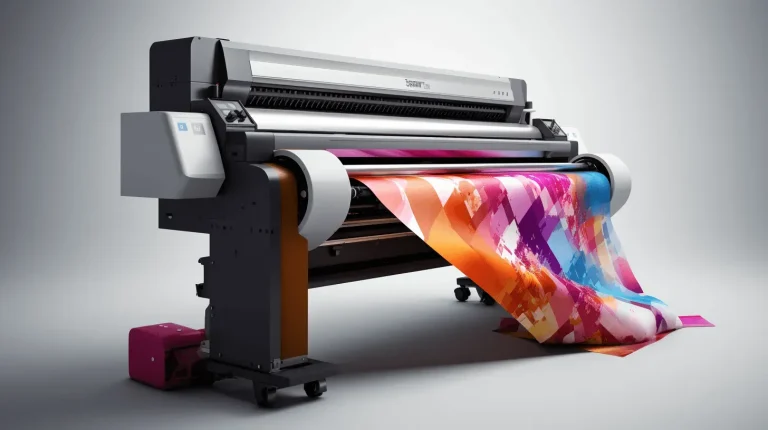
DTF printing, or Direct-to-Film printing, is innovatively transforming the textile printing landscape with its remarkable ability to produce high-quality prints characterized by vibrant colors and impressive durability. This cutting-edge technique involves printing designs onto a specialized film before transferring these designs onto fabric, allowing for intricate details that are often challenging to achieve via traditional printing methods. In a world where custom designs and personalized apparel are increasingly in demand, understanding DTF printing techniques is essential for anyone involved in the apparel industry. This guide will unveil the best practices for DTF printing, including the selection of high-quality DTF transfer film and the appropriate printing materials that enhance the overall print quality. By mastering these techniques, you can unlock the full potential of DTF printing and deliver stunning results that capture attention and withstand the test of time.
When we talk about Direct-to-Film printing, it encompasses several innovative textile printing methods that allow for high-resolution graphics on various fabric surfaces. Often referred to as DTF technology, this process integrates digital printing and film transfer techniques to create striking visuals on garments. Understanding the different aspects, such as the right printer setup and quality inks, is vital for producing outstanding results. Not only does this approach provide versatility in design, but it also ensures long-lasting prints that resonate well with customers. Embracing the best practices associated with DTF can elevate your printing projects and meet the growing expectations of an ever-changing apparel market.
The Evolution of DTF Printing Technology
Direct-to-Film (DTF) printing has transformed the landscape of garment decoration, providing unparalleled accuracy and richness in color. Emerging from the advancements in digital printing technology, DTF printing allows for complex designs to be transferred onto fabrics with remarkable clarity. Additionally, the combination of high-quality inks and flexible transfer films has made it possible to cater to diverse textile needs without compromising quality.
As the DTF printing techniques continue to evolve, manufacturers are constantly working on improving printer quality, ink formulations, and transfer processes. This evolution ensures that businesses can offer high-quality, durable prints that not only look vibrant but also withstand the rigors of multiple washes. Understanding these developments is crucial for anyone looking to excel in the DTF printing market.
Frequently Asked Questions
What are the key techniques for achieving high-quality DTF printing?
To achieve high-quality DTF printing, focus on selecting the right printer and inks, quality DTF transfer film, and applying adhesive powder uniformly. Additionally, control the curing process temperature and timing, prepare your garment properly, use vector graphics for design, and regularly test and calibrate your printer.
Why is it important to choose high-quality DTF transfer films?
Choosing high-quality DTF transfer films is crucial because they can withstand high temperatures and pressure, ensuring proper ink adhesion and vibrant prints on fabric. Poor quality films may lead to unsatisfactory results, such as peeling or fading, negatively impacting your final product.
What are the best practices for selecting DTF printing materials?
Best practices for selecting DTF printing materials include using high-quality DTF inks, choosing high-grade transfer films, and selecting fabrics that are compatible with DTF printing, such as cotton blends and polyester. Always pre-wash fabrics to eliminate residues and improve adhesion.
How does the curing process affect the quality of DTF printing?
The curing process directly impacts the quality of DTF printing by ensuring superior adhesion of the print to the fabric. Proper temperature (typically between 160-180°C) and timing (10-15 seconds) are vital for achieving the best results and avoiding issues such as under or over-curing.
What role does garment preparation play in DTF printing success?
Garment preparation plays a critical role in DTF printing success. Selecting the right fabric, ensuring cleanliness, and pre-washing to remove any residues are essential steps that enhance the adhesion and overall appearance of the prints, leading to high-quality outputs.
What are the common mistakes to avoid in DTF printing?
Common mistakes to avoid in DTF printing include using poor quality inks or films, neglecting proper garment preparation, uneven adhesive application, and improper curing conditions. Regular maintenance of printers and testing outputs can help identify and resolve issues before they impact print quality.
| Key Aspects of DTF Printing | Details | Importance | |
|---|---|---|---|
| Choosing the Right Printer and Inks | Ensures high-resolution, vibrant and long-lasting prints | ||
| Selecting the Right Film | High-grade films enhance ink adherence and print quality | ||
| Application of Adhesive Powder | Uniform application prevents peeling and patchiness | ||
| The Curing Process | Proper temperature and timing ensure strong adhesion | ||
| Garment Preparation | Selection of compatible fabrics improves print outcomes | ||
| Design Considerations | High-quality graphics are essential for clarity and fidelity | ||
| Testing and Calibration | Regular maintenance keeps prints consistent and high-quality | ||
Summary
DTF printing is transforming the landscape of textile printing by offering vivid colors and durability in high-quality prints. In summary, achieving remarkable results in DTF printing requires careful attention to various critical elements including printer selection, ink quality, film choice, and adherence techniques. By understanding and implementing these components, you can consistently produce unique and visually stunning designs that stand the test of time. Staying updated with the latest practices and technologies in DTF printing will not only enhance your production quality but also keep you at the forefront of the ever-evolving apparel printing industry.