d694e

DTF transfers on dark fabrics: supplies, tips, and tricks

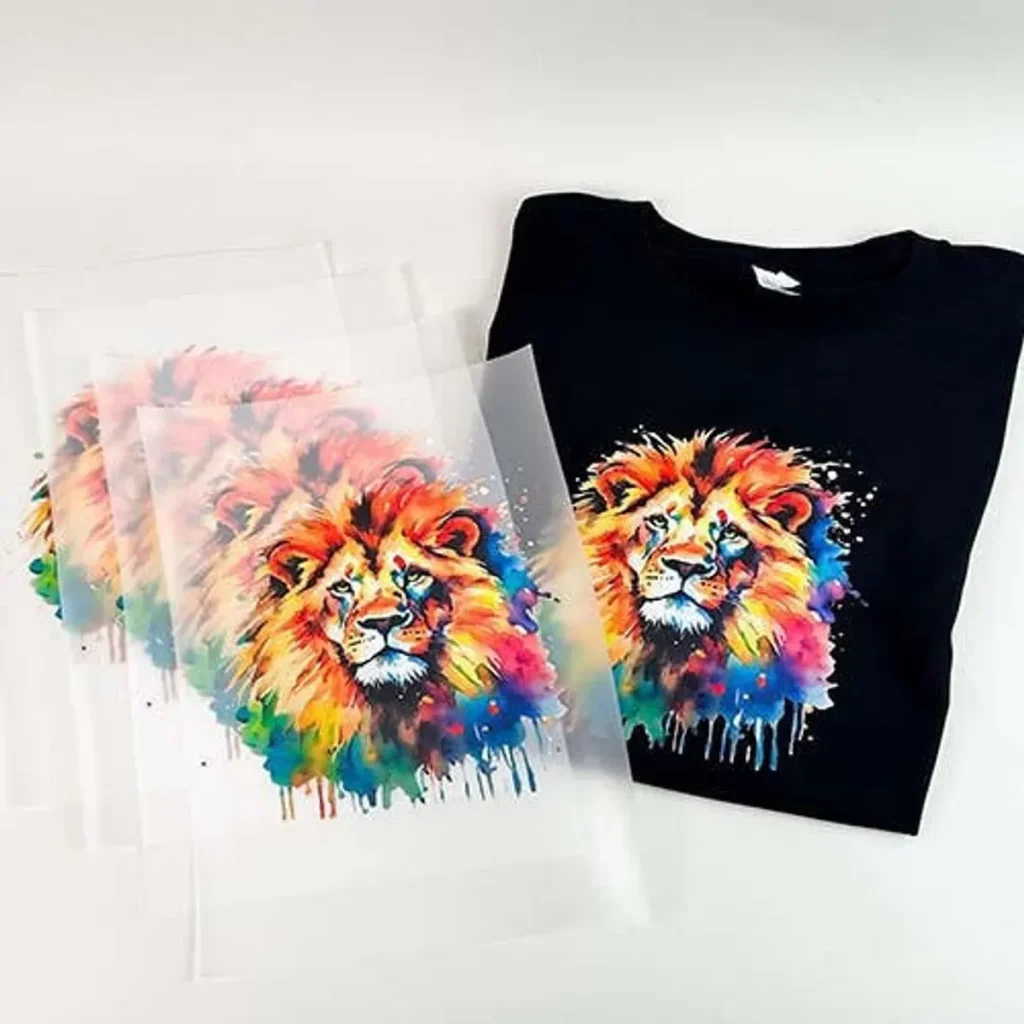
DTF transfers on dark fabrics redefine what’s possible for brands and independent makers who want vibrant, durable graphics that survive daily wear on black and other deep-toned garments, delivering crisp edges, smooth gradient transitions, and color fidelity that stays bright after repeated washing, ironing, and long-term sun exposure; this technology can power everything from bold logos to intricate illustrations on a wide range of fabric blends, including cottons, poly blends, and athletic knits, while offering a scalable workflow that minimizes misprints and returns and supports both small custom runs and larger production tasks.This technology prints full-color imagery with a forgiving white underbase, and, in a practical guide on how to apply DTF on dark fabrics, you’ll learn to build opacity through precise powder adhesion, a well-calibrated curing step, and a protective transfer film that shields the print during heat pressing, ensuring the design remains vibrant when viewed from different angles and under varied lighting conditions; you’ll also discover how to troubleshoot common issues such as ghosting, edge halos, pinholes, and underbase density inconsistencies across fabrics and textures.

DTF transfers on dark fabrics: supplies, tips, and tricks Read More »

UV DTF: A Beginner’s Guide to UV-Curable Transfer Tech

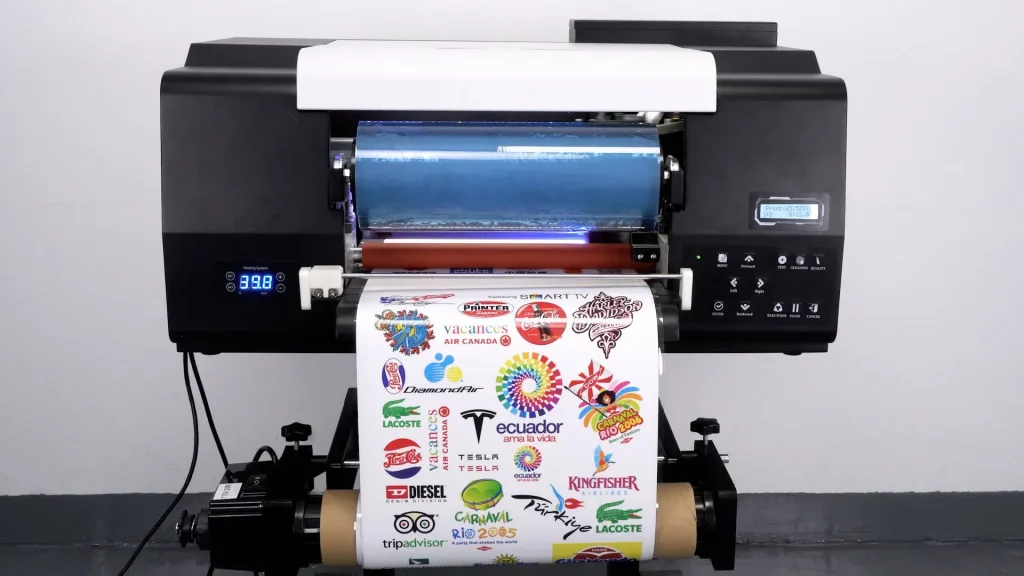
UV DTF transfer is reshaping how apparel and goods are decorated by marrying digital design with instant UV curing, delivering vibrant, durable results on a wide range of fabrics.This combination supports vibrant color accuracy, durable adhesion, and a soft hand feel in many cases, while enabling creators to experiment with texture choices, substrate types, and multi-layer designs without lengthy setup.

UV DTF: A Beginner’s Guide to UV-Curable Transfer Tech Read More »

DTF transfer issues: Master Layering, Peeling, and Cracking

DTF transfer issues are a common hurdle for studios and hobby printers, complicating workflows with layering challenges, edge peeling, and occasional cracking that can undermine even a carefully planned, deadline-driven design.From the choice of film, adhesive, and powder to curing times and press settings, the interactions between components often determine whether a print stays crisp or falls victim to DTF layering problems.

DTF transfer issues: Master Layering, Peeling, and Cracking Read More »

Color management for DTF transfers: tips for crisp prints

Color management for DTF transfers is the quiet backbone behind vibrant designs, ensuring expectations meet reality across screens, printers, and fabrics, from cotton to stretch satin, and across textures and surface finishes.When color is managed from artwork through the transfer process, you reduce reprints, improve consistency, and deliver results that clients can trust across seasons, product lines, and evolving fashion trends.

Color management for DTF transfers: tips for crisp prints Read More »

DTF vs Sublimation: Which Path Fits Your Projects?

DTF vs Sublimation is a decision that modern garment printers weigh carefully, because each method shapes a shop’s capabilities, the fabrics you can work with, turnaround times, and the way customers perceive color, texture, and overall quality across different product lines.While both approaches can yield vibrant graphics and reliable durability, their technical requirements, ink systems, and production workflows diverge in meaningful ways that affect scalability, budgeting, and how you structure your design-to-delivery process.

DTF vs Sublimation: Which Path Fits Your Projects? Read More »

Shopping Cart