
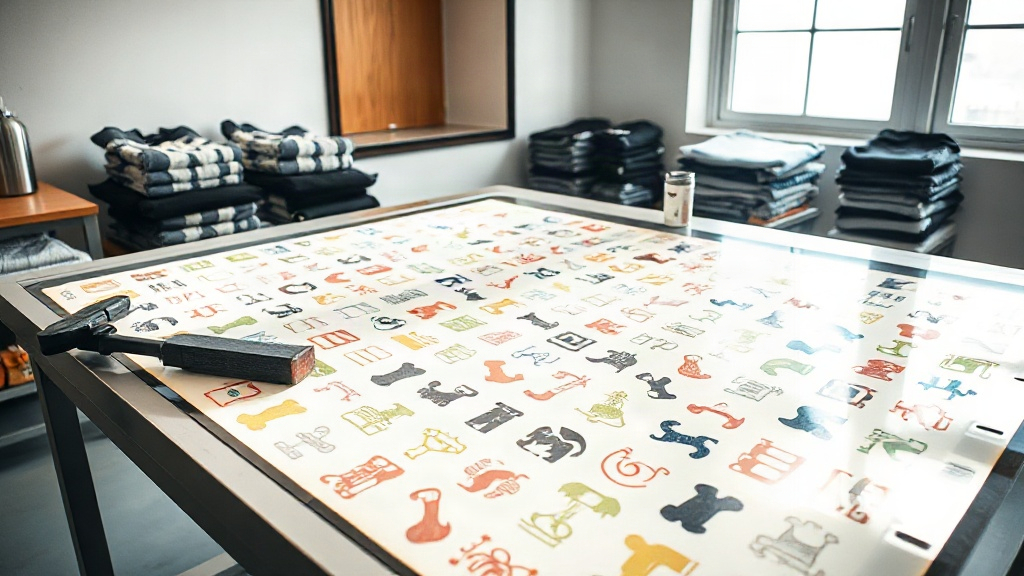
Most people who try dtf printing for the first time fall in love with the process and then get blindsided by the arithmetic. A single transfer looks cheap. A hundred transfers, laid out badly, can quietly eat your entire margin. The difference between a profitable week and a frustrating one usually comes down to one decision made before anything touches the printer: how you build your dtf gangsheet.
I have packed gangsheets for everything from three-shirt Etsy orders to 400-piece team uniform runs, and the lessons repeat themselves. Below is what actually matters when you sit down to arrange artwork, plus the mistakes I made so you do not have to repeat them.
What a DTF Gangsheet Really Is
A gangsheet is a single sheet of DTF film populated with many individual transfers. Instead of printing one design per sheet, you nest dozens of designs side by side, send the file to the printer once, and cut them apart after curing. The appeal is obvious: film, powder, ink, and time are shared across every design on that sheet.
The catch is that a gangsheet is not just a collage. It is a production plan. Every square inch you leave empty is money you already spent. Every design placed too close to a neighbor becomes a cutting error waiting to happen.
Start With the Job List, Not the Artwork
The most common mistake is opening a design folder first. That leads to sheets built around what looks nice rather than what you actually need to ship. Flip the order.
Build a quantity list before you open any files
Write down every design, its size, and how many pieces you need this week. If a design only sells twice a month, it probably does not belong on this sheet. If it sells twenty times a week, it belongs on every sheet you make.
- Design name and SKU
- Print width and height in inches
- Quantity needed for the next 7 to 14 days
- Garment color it will be pressed on
That last column matters more than people expect. White ink laydown behaves differently on a black hoodie than on a pastel tee, and grouping similar garments together helps you catch problems before pressing day.
Separate repeat sellers from one-offs
Repeat sellers deserve dedicated space at the top of the sheet where film is most reliable. One-off or test designs go in the leftover gaps at the bottom. This single habit reduced my material waste noticeably because I stopped sacrificing prime film area for designs that might never reorder.
Sizing Rules That Save Film
Oversized transfers are where budgets die. A design that measures 11 inches wide uses almost four times the film of one at 6 inches, yet customers rarely notice the difference at chest level.
Match print size to garment size
Adult tees usually look right with a print between 9 and 12 inches wide. Youth shirts sit closer to 6 to 8 inches. If you are printing the same logo for both, build two size variants instead of scaling one file up and down at press time. Pre-sized files cut labor and reduce reprints.
Leave a real margin between designs
Half an inch of clear space on every side is the practical minimum. Tighter than that, and your cutter blade drifts into a neighboring transfer, or powder from one design contaminates the edge of another. I have thrown away entire sheets because I tried to squeeze one more logo into a gap.
Layout Strategy: How to Fill a DTF Gangsheet Efficiently
Once your list is ready, the layout becomes a puzzle. A few rules keep it solvable.
- Place the largest designs first along the top edge.
- Fill remaining horizontal bands with medium designs.
- Use small logos, sleeve prints, and pocket designs as gap fillers.
- Keep a consistent rotation. Mixed orientations make cutting slower and messier.
- Group by garment color so you can press in batches.
Number three is the quiet hero. Sleeve prints and left-chest logos are small enough to slide into spaces that would otherwise be waste. On a 22 by 60 inch sheet, those fillers can add ten to fifteen extra sellable transfers at almost no additional cost.
Film, Powder, and Ink: What Actually Drives Cost
People often obsess over ink price when film area is the bigger lever. Here is the rough hierarchy I use when quoting.
- Film area: the largest variable cost per sheet
- Adhesive powder: consumed in proportion to printed area
- Ink: meaningful but secondary
- Labor: cutting, powdering, curing, and packing time
Because film dominates, an efficient dtf gangsheet layout is the fastest way to improve margins without raising prices. A sheet that is 85 percent utilized is dramatically more profitable than one at 60 percent, even though both took the same time to print.
Common Mistakes That Cost Real Money
These are the ones I see most often in small shops and side hustles.
Printing without checking the current film roll
Roll width varies between suppliers and even between batches. A layout built for a 23 inch roll will clip on a 22 inch roll. Measure before you commit.
Ignoring curing time in the plan
A dense gangsheet takes longer to powder and cure than a sparse one. If you are printing three sheets back to back, the curing station becomes the bottleneck. Plan your day around that, not around the printer.
Forgetting to label cut transfers
Once transfers are cut and stacked, an unlabeled pile is chaos. Write the design name and size on the backing or bag them immediately. Future you will be grateful.
Pricing Transfers Built From a Gangsheet
A simple formula keeps you honest. Take the total cost of the sheet, including film, powder, ink, and an hourly rate for your time. Divide by the number of usable transfers. That is your floor price. Anything below it is a loss you are choosing to take.
Most shops land somewhere between one and three dollars per transfer for small to medium designs once waste is factored in. If your number is far higher, layout efficiency is usually the culprit.
Frequently Asked Questions
How many designs can fit on one DTF gangsheet?
It depends entirely on size. A sheet packed with 3 inch pocket logos can hold well over a hundred transfers, while a sheet of 11 inch back prints might only hold six to eight. Build your list first and let the math decide the count.
Is it cheaper to order gangsheets from a service or print them yourself?
For low volumes, outsourcing usually wins because you avoid equipment and maintenance costs. Once you are printing daily and can keep sheets above 80 percent utilization, in-house production typically becomes cheaper per transfer.
Can I mix different garment colors on the same gangsheet?
Yes. The film does not care about the final garment. What matters is grouping by color at press time so you can batch your heat press settings and avoid constant temperature changes.
How long do cut DTF transfers last before pressing?
Stored cool, dry, and away from direct sunlight, cut transfers generally keep well for several months. Humidity is the real enemy, so sealed bags with a desiccant pack are a smart habit.
What is the best way to reduce film waste on a gangsheet?
Use small designs as gap fillers, keep margins at half an inch, and avoid scaling up artwork beyond what the garment actually needs. Those three habits alone can push utilization from 60 percent to over 80 percent.