
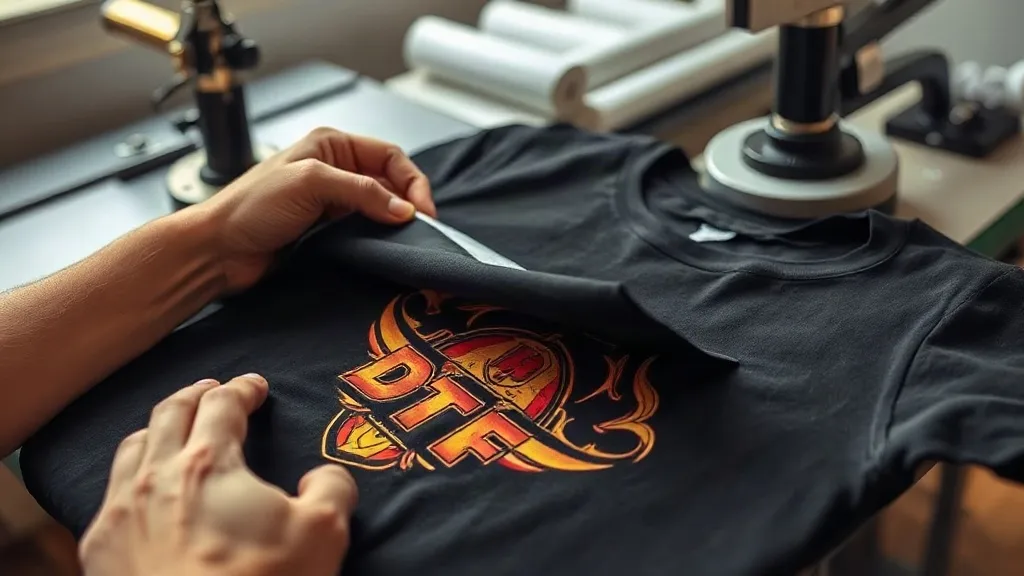
If you've been exploring custom apparel printing, you've likely encountered dtf transfers. This emerging technology is quickly becoming a favorite among hobbyists and professionals alike. Unlike traditional methods that require specialized equipment or messy processes, DTF (Direct to Film) offers a streamlined approach to transferring vibrant designs onto fabrics. In this guide, we'll break down what DTF is, how it works, and why it might be the perfect solution for your next project.
What Are DTF Transfers?
DTF stands for Direct to Film. It's a printing method where your design is printed onto a special film, then coated with a powder adhesive and heat-pressed onto fabric. The result is a durable, full-color print that adheres to a wide range of materials, including cotton, polyester, and blends. Unlike DTG (Direct to Garment) or screen printing, DTF doesn't require pre-treating the fabric or investing in expensive equipment. This makes it accessible for small businesses, crafters, and anyone looking to create custom apparel without a steep learning curve.
The DTF Process Step by Step
Understanding the process helps you appreciate the magic behind dtf printing. Here's a simplified breakdown:
- Design Preparation: Your artwork is prepared digitally, ensuring colors are vibrant and details are crisp. The design is then printed onto a special film using DTF printers.
- Powder Application: While the ink is still wet, a hot-melt adhesive powder is applied evenly over the film. Excess powder is shaken off.
- Curing: The film is heated to melt the powder, creating a adhesive layer that will bond with the fabric.
- Heat Pressing: The film is placed on the fabric and pressed with a heat press at a specific temperature and pressure. After cooling, the film is peeled away, leaving the design permanently bonded.
This process can be done in-house with a DTF printer and heat press, or you can order pre-printed transfers from a supplier. Many small businesses opt for the latter to avoid the initial investment.
Why Choose DTF Transfers?
DTF offers several advantages that make it stand out:
- Versatility: Works on almost any fabric, including dark colors, without the need for special pretreatment.
- Durability: Prints resist cracking, fading, and washing when properly applied.
- Cost-Effective for Short Runs: No minimum order quantities, making it ideal for one-offs or small batches.
- High Detail: Capable of reproducing intricate designs with gradients and fine lines.
- Soft Hand Feel: The prints are thin and flexible, not plasticky.
These benefits have made DTF a go-to for custom t-shirts, hoodies, tote bags, and more. If you're looking for dtf transfers near me, you'll find local suppliers and online services that can ship directly to you.
Getting Started with DTF: Tips for Success
Ready to dive in? Here are practical tips to ensure your DTF journey is smooth:
1. Choose the Right Film and Powder
Not all DTF films are created equal. Look for films that are compatible with your printer and offer good ink absorption. The powder should be fine and consistent; a quality adhesive powder ensures a strong bond and prevents fading.
2. Master Heat Press Settings
Temperature, pressure, and time are critical. Typically, you'll press at around 160°C (320°F) for 10-15 seconds. However, always follow the recommendations of your transfer supplier, as films and powders vary. Use a infrared thermometer to verify your press's actual temperature.
3. Prepare Your Fabric
Pre-press the garment for a few seconds to remove moisture and wrinkles. This step improves adhesion and prevents the design from shifting during pressing.
4. Peel with Care
Always wait for the transfer to cool completely before peeling (cold peel). This allows the adhesive to set properly. Peeling too soon can cause the design to lift or distort.
5. Wash Inside Out
To extend the life of your DTF prints, wash garments inside out in cold water and tumble dry on low. Avoid ironing directly over the print.
Common DTF Mistakes to Avoid
Even seasoned crafters can run into issues. Here are pitfalls to watch for:
- Insufficient Pressure: If the press doesn't apply enough pressure, the transfer won't adhere properly. Make sure your press is calibrated.
- Over-Pressing: Too much heat or time can scorch the fabric or cause the adhesive to bleed.
- Ignoring Fabric Type: While DTF works on many fabrics, some synthetics may require lower temperatures. Always test on a scrap first.
- Using Expired Film: Film has a shelf life; old film may not transfer correctly.
By avoiding these mistakes, you'll achieve professional-looking results consistently.
DTF vs. Other Printing Methods
How does DTF stack up against DTG, screen printing, and vinyl? Here's a quick comparison:
- DTG: Best for 100% cotton, but requires pretreatment and can be costly for small runs. DTF is more versatile and often more affordable for short runs.
- Screen Printing: Cost-effective for large orders but setup costs are high for small batches. DTF wins for one-offs.
- Vinyl: Great for simple designs but limited in color complexity. DTF handles full-color images with ease.
Each method has its place, but DTF's flexibility makes it a strong contender for diverse projects.
Where to Find Quality DTF Transfers
If you're not ready to invest in a printer, ordering pre-made transfers is a smart move. Many suppliers offer custom transfers where you upload your design and receive ready-to-press films. When choosing a supplier, check for:
- Reviews and samples to assess print quality.
- Turnaround time and shipping options.
- Compatibility with your heat press.
For those searching for dtf transfers near me, local print shops often provide same-day service, which is great for last-minute orders.
Frequently Asked Questions
What fabrics work best with DTF transfers?
DTF adheres well to cotton, polyester, blends, and even some nylons. It's particularly effective on dark colors where other methods may struggle.
How long do DTF prints last?
With proper application and care, DTF prints can last as long as the garment itself. They resist cracking and fading through multiple washes.
Can I use DTF on items other than shirts?
Absolutely. DTF is great for hoodies, bags, hats, and even canvas shoes. Just ensure the surface can withstand heat press temperatures.
Do I need a special printer for DTF?
Yes, DTF requires a printer that uses DTF ink and film. However, you can skip the printer by ordering transfers from a supplier.
Is DTF safe for children's clothing?
Yes, when using quality materials and proper application, DTF prints are safe and durable for children's wear.
DTF transfers are opening up new possibilities for creative expression. Whether you're a DIY enthusiast or a growing brand, this technology offers a reliable way to bring your designs to life. With the right knowledge and tools, you'll be producing stunning apparel in no time.