
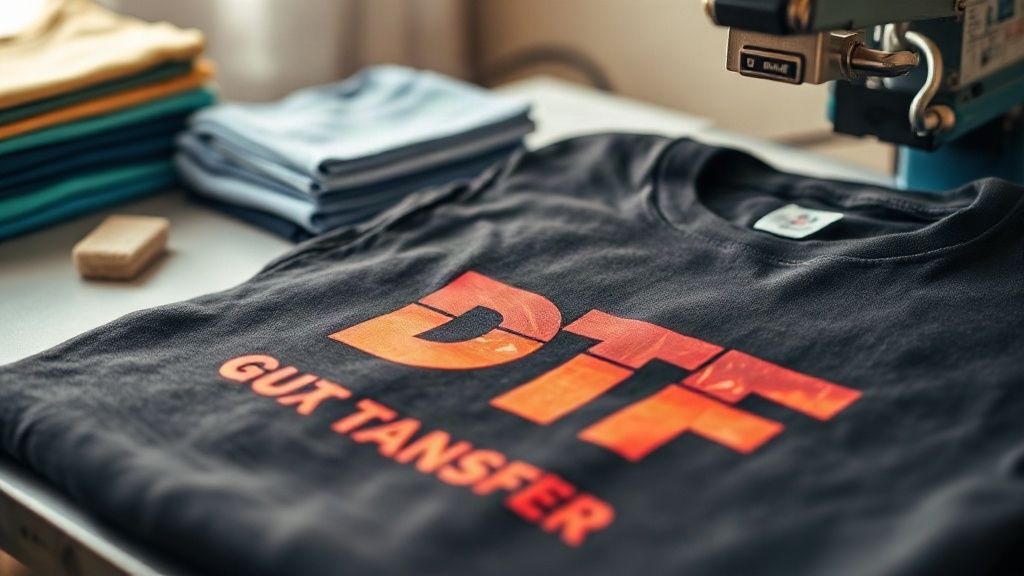
When you're creating custom apparel, the blank you choose is just as important as the design itself. If you've been exploring DTF transfers, you've probably realized that not all blanks are created equal. Two names that frequently come up in the printing community are Shaka Wear and Smart Blanks. Both offer quality options, but they cater to different needs and budgets. In this guide, we'll walk through everything you need to know about applying DTF transfers to these blanks, from fabric composition to pressing techniques, so you can make informed decisions and achieve professional results.
What Are DTF Transfers and Why They Matter
DTF transfers, or Direct-to-Film transfers, have revolutionized the custom apparel industry. Unlike traditional screen printing or vinyl, DTF allows for full-color, high-detail designs without the setup costs. The process involves printing your design onto a special film, coating it with adhesive powder, and then heat-pressing it onto a garment. The result is a soft, stretchable print that adheres well to various fabrics, especially cotton and blends.
One of the biggest advantages of DTF transfers is their versatility. They work on light and dark garments, and they don't require weeding or layering. This makes them ideal for small businesses, hobbyists, and anyone looking to produce small batches of custom shirts quickly. However, the success of a DTF transfer depends heavily on the blank you choose. The fabric type, weave, and even the dye can affect how well the transfer adheres and how long it lasts.
Why Shaka Wear Is a Popular Choice for DTF Transfers
Shaka Wear has built a reputation for offering heavyweight, durable blanks that are perfect for printing. Their tees are typically 100% cotton, which is the ideal fabric for DTF transfers. The tight knit and smooth surface allow the transfer to bond evenly, resulting in a vibrant, long-lasting print. Many printers appreciate Shaka Wear for its consistent sizing and wide range of colors, from classic white and black to trendy heathers and neons.
Fabric and Fit Considerations
When using Shaka Wear blanks, keep in mind that their heavyweight cotton may require slightly higher pressing temperatures or longer dwell times. The extra thickness can absorb more heat, so you might need to adjust your heat press settings accordingly. Also, Shaka Wear offers different fits, such as classic and relaxed. The fit doesn't affect the transfer application, but it does influence the final look and feel of the garment. For a streetwear vibe, their boxy fit is a great match for bold DTF transfers.
Smart Blanks: Affordable and DTF-Friendly
Smart Blanks is another name that frequently appears in DTF circles, especially for those looking for budget-friendly options without sacrificing too much quality. These blanks are often cotton-poly blends, which can be a double-edged sword. On one hand, blends are less prone to shrinking and wrinkling, and they can be more affordable. On the other hand, the polyester content can affect how the DTF transfers adhere. Polyester requires lower pressing temperatures to avoid melting or scorching, so you'll need to dial in your heat press settings carefully.
Getting the Best Results with Smart Blanks
If you're using Smart Blanks for your DTF projects, always pre-press the garment to remove moisture and wrinkles. This step is crucial for blends because any moisture can cause the transfer to peel or crack. Use a lower temperature (around 300°F to 320°F) and a shorter dwell time (10-15 seconds) to prevent the polyester from glazing. Additionally, allow the transfer to cool completely before peeling the film. This cold peel method often yields the best results on blends.
Comparing Shaka Wear and Smart Blanks for DTF Transfers
So, which blank should you choose? It depends on your priorities. If you're aiming for a premium, retail-ready product, Shaka Wear is hard to beat. Its heavyweight cotton provides a luxurious feel and excellent print durability. On the other hand, if you're producing large quantities of promotional tees or need a cost-effective option, Smart Blanks can be a smart choice. They are lightweight, comfortable, and take DTF transfers well when applied correctly.
Consider the end use: for a fashion brand or a special event, go with Shaka Wear. For giveaways, team uniforms, or budget-conscious projects, Smart Blanks will serve you well. You can also experiment with both to see which one aligns with your customers' preferences.
Step-by-Step Guide to Applying DTF Transfers on These Blanks
Regardless of which blank you choose, the application process is similar. Here's a quick rundown:
- Preheat your heat press to the recommended temperature. For Shaka Wear cotton, aim for 325°F to 350°F. For Smart Blanks blends, use 300°F to 320°F.
- Pre-press the garment for 3-5 seconds to remove wrinkles and moisture.
- Place the DTF transfer on the garment with the adhesive side down.
- Press with medium to firm pressure for 15-20 seconds (cotton) or 10-15 seconds (blends).
- Peel the film either hot or cold, depending on the film instructions. For blends, cold peel is safer.
- Post-press for an additional 5-10 seconds with a Teflon sheet to enhance durability.
Always test on a scrap piece first to dial in your settings. Small adjustments can make a big difference in the final outcome.
Common Mistakes to Avoid
Even experienced printers can run into issues. Here are some pitfalls to watch out for:
- Insufficient pressure: This can cause the transfer to not adhere fully, leading to peeling.
- Too much heat: Especially on Smart Blanks, high heat can scorch the fabric or cause the transfer to crack.
- Ignoring fabric content: Always check the label. A 50/50 blend behaves differently than 100% cotton.
- Peeling too early or too late: Follow the film's instructions. Hot peel vs. cold peel matters.
- Not washing properly: Advise customers to wash inside out in cold water and avoid fabric softeners to prolong the life of the DTF transfers.
Frequently Asked Questions
Can I use DTF transfers on Shaka Wear's tri-blend shirts?
Yes, you can, but tri-blends contain polyester, so you'll need to lower your heat press temperature to around 300°F and use a shorter dwell time. Pre-press is essential to remove moisture. Always test first to ensure good adhesion.
How durable are DTF transfers on Smart Blanks after multiple washes?
When applied correctly, DTF transfers on Smart Blanks can last 50+ washes. To maximize durability, wash inside out in cold water, avoid bleach and fabric softener, and tumble dry on low or hang dry. Proper care will keep the print vibrant.
Do I need a special heat press for DTF transfers on these blanks?
A standard heat press with accurate temperature and pressure control is sufficient. You don't need a special DTF-specific press. However, a press with a digital display and even pressure is recommended for consistent results.
Which blank is better for stretchy fabrics like spandex blends?
DTF transfers work on stretchy fabrics, but you need a transfer film designed for stretch. Smart Blanks offers some stretch blends, but for high-spandex content, consider a specialized DTF film. Shaka Wear is mostly cotton, so it has minimal stretch.
Can I layer DTF transfers on Shaka Wear for a multi-color design?
Yes, you can layer DTF transfers, but it's not necessary because DTF prints full color in one go. If you do layer, press each layer separately and ensure proper adhesion between layers. However, layering can make the print thicker, so it's best to use a single transfer for complex designs.
Final Thoughts
Choosing the right blank for your DTF transfers is a key step in producing high-quality custom apparel. Shaka Wear offers premium, heavyweight cotton that delivers excellent print results, while Smart Blanks provides affordable, blend options that work well with adjusted settings. By understanding the characteristics of each and following best practices for application, you can achieve professional-looking garments that your customers will love. Whether you're a seasoned pro or just starting out, experimenting with different blanks and perfecting your technique will set you apart in the competitive world of custom printing.