
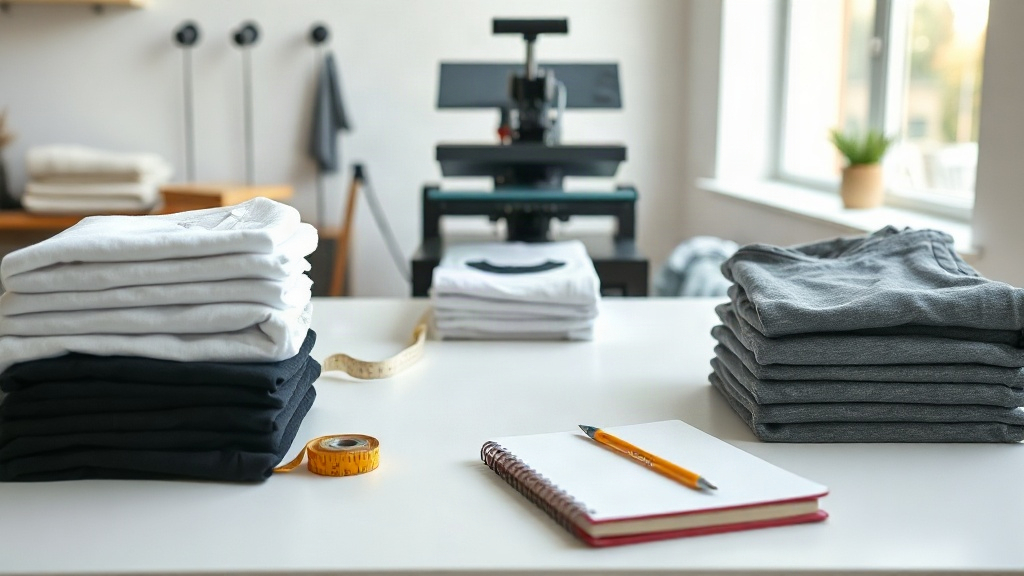
Ordering blank apparel sounds like the simplest part of running a print shop or clothing brand. Then the first shipment arrives and the reality hits. One style runs a full size small, another shrinks two inches after a single wash, and the shade of heather gray you approved does not match the restock that shows up six weeks later. Choosing smart blanks is really about avoiding that cycle. It means treating blank garments as a product decision, not just a purchase order, because everything you print on top of them inherits their strengths and their flaws.
This guide walks through how to evaluate blank shirts, why the blank you pick matters so much for DTF transfers, and how to build a repeatable system that keeps your customers happy long after the first order ships.
What Makes a Blank Garment "Smart"
The word smart gets used loosely in the apparel industry, so it helps to define it. A smart blank is not simply cheap or popular. It is a garment that behaves predictably across sizes, washes, and reorders while still fitting your budget and your customers' expectations. That predictability is what separates a blank you can build a business on from one that creates returns and complaints.
Three qualities show up again and again in blanks that hold up over time:
- Consistent sizing. A medium in January should fit like a medium in September. Mills that maintain tight tolerances save you from awkward conversations with customers.
- Stable fabric weight. A 4.2 oz ring-spun cotton tee and a 6.1 oz heavyweight tee serve completely different customers. Knowing the weight helps you match the blank to the use case.
- Reliable color matching. Dye lots drift, but good suppliers warn you in advance and help you plan around transitions instead of surprising you mid-project.
When a blank ticks all three boxes, you stop re-solving the same problems every order. That time savings is the real return on investing in quality blanks.
Why the Blank Matters More Than Ever for DTF Printing
Direct-to-film printing has changed how small shops approach decorated apparel. You no longer need a full screen setup to offer full-color designs, which means you can test new artwork with a single shirt instead of a fifty-piece minimum. But DTF also puts more pressure on the blank itself, because the transfer sits on top of the fabric rather than soaking into it.
Fabric Content and Transfer Adhesion
Cotton, cotton-poly blends, and 100% polyester all accept DTF transfers differently. Cotton gives you the softest hand feel and a matte finish that looks like it belongs on the shirt. Polyester can produce a slightly glossier result and may require lower pressing temperatures to avoid scorching or dye migration. Heavily textured fabrics, like slub or triblend, can create small gaps where the transfer does not fully bond if your pressure settings are off.
The practical takeaway is to test before you commit. Press one transfer on a sample of every blank you plan to stock, wash it three times, and inspect the edges. Five minutes of testing prevents a hundred ruined shirts.
Color Choice Affects the Final Look
White and light blanks give you the most color accuracy because the transfer ink sits on a neutral base. Dark blanks require a white underbase layer in the transfer itself, which adds a little thickness. On a heavyweight dark tee that extra layer is barely noticeable. On a lightweight, thin fabric it can feel stiff. If softness is your selling point, pair dark designs with mid-weight or heavier blanks rather than the thinnest option available.
How Shaka Wear Fits Into a Smart Blanks Strategy
Brands like Shaka Wear have built a following among streetwear labels and print shops for a reason. The line leans toward heavier fabric weights and relaxed, boxy cuts that photograph well and hold their shape through repeated wear. For anyone printing oversized graphics or building a streetwear-inspired collection, that silhouette does a lot of the design work on its own.
Heavier blanks also tend to handle DTF transfers gracefully. The thicker fabric gives the adhesive more surface to grip, and the structure of the garment hides the slight texture a transfer can add. If your target customer wears their tees loose and expects them to last, a heavyweight blank from a brand with consistent sizing is a reasonable foundation.
That said, heavyweight is not automatically better. A performance-focused customer may want a lighter, moisture-wicking fabric. A retail boutique may prefer a softer ring-spun cotton with a slimmer cut. The point is to match the blank to the buyer, not to chase whatever is trending in supplier catalogs.
Building a Blank Inventory That Actually Works
Most print shops start by ordering whatever is on sale and end up with twelve styles in nine shades of black. A smarter approach is to narrow your core lineup and go deep on the pieces that sell.
Start With a Core Four
- One standard unisex tee in a mid-weight cotton, available in white, black, and two or three best-selling colors.
- One heavyweight or oversized tee for streetwear and statement graphics.
- One long-sleeve or hoodie option for seasonal demand.
- One budget-friendly tee for bulk orders, giveaways, and price-sensitive clients.
Four solid styles cover the vast majority of orders. Once you know which ones move fastest, you can add specialty blanks without spreading your cash across inventory that sits on the shelf.
Track Reorder Rates, Not Just Sales
A blank that sells once is a transaction. A blank that customers reorder is a relationship. Keep a simple record of which garments come back for repeat orders and which ones generate complaints about fit or fading. Over a few months, that data tells you exactly where to concentrate your purchasing.
Common Mistakes When Ordering Blanks
Even experienced buyers fall into predictable traps. Watching for these saves money and frustration.
- Ignoring shrinkage. Cotton can shrink several percent after the first wash. If you print a design that needs to sit a certain way, account for that or choose pre-shrunk options.
- Mixing dye lots. Two batches of the same color can look noticeably different side by side. Order enough to cover a full run in one lot whenever possible.
- Assuming all sizes fit the same. Size charts vary between brands. Always check the specific chart for the style you are ordering, not the brand overall.
- Skipping the wash test. A blank that looks great out of the bag may pill, fade, or lose shape after laundering. Test before you promise durability.
Pairing Blanks With the Right Transfer Process
Once your blank lineup is set, the decoration side gets easier. Consistent fabric weight and content mean you can dial in one set of press settings and reuse them across most orders. That consistency is where a smart blanks strategy pays off twice: once in happier customers and again in faster production.
If you are new to DTF, start with a mid-weight cotton tee in a light color. Light colors need no white underbase, so the transfer stays thin and the press settings are forgiving. Once you are comfortable, move to dark and heavyweight garments, adjusting temperature and pressure as you go. Document what works so the next person on your team does not have to rediscover it.
Frequently Asked Questions About Smart Blanks
What does "smart blanks" actually mean in apparel sourcing?
It refers to choosing blank garments based on consistency, fit, and how well they work with your decoration method, rather than just picking the cheapest option. Smart blanks behave predictably across sizes, washes, and reorders, which reduces returns and makes production planning easier.
Do DTF transfers work on every type of blank shirt?
They work on most fabrics, including cotton, cotton-poly blends, and polyester, but results vary. Cotton gives the softest finish, polyester may need lower press temperatures, and heavily textured fabrics can cause adhesion issues. Testing a sample before a full run is always worth the time.
Is Shaka Wear a good choice for DTF printing?
Many shops find that heavier blanks handle DTF transfers well because the thicker fabric gives the adhesive more to grip. The right choice depends on your customer. If they want a relaxed, streetwear-style fit with durable fabric, a heavyweight blank is a solid match.
How many blank styles should a small print shop stock?
Most small shops do well with three to five core styles covering unisex tees, heavyweight options, and a seasonal piece like a hoodie. Going deeper on proven styles usually beats spreading your budget across many options that rarely sell.
How do I stop colors from mismatching between orders?
Order enough inventory to cover a full production run from a single dye lot, and ask your supplier to flag lot transitions before they happen. When a new lot arrives, compare it against your existing stock in daylight before printing anything on it.
Where to Go From Here
Getting blanks right is not glamorous work, but it quietly determines whether your decorated apparel business runs smoothly or constantly fights fires. Pick a small core lineup, test every new style with your transfer process, and track what customers reorder. That habit turns blank sourcing from a recurring headache into one of the most reliable parts of your operation.