
DTF printing, or Direct-to-Film printing, is rapidly changing the landscape of custom apparel and textile decoration. This innovative technology merges digital printing with high-quality results, making it a preferred choice for designers and manufacturers alike. With its capability to produce stunningly vibrant colors and intricate details, DTF printing stands out as a versatile option for both small businesses and large-scale operations. In this guide, we will cover essential steps and equipment required for the DTF printing process, ensuring all beginners are equipped with the knowledge to succeed. From understanding DTF transfer techniques to exploring DTF printing equipment, this introduction sets the stage for diving deeper into this exciting printing method.
Direct-to-Film methods, which involve a unique approach to print designs directly onto specialized film, are essential in the textile industry. This technique, known for its efficiency and quality, allows for the seamless transfer of designs onto various fabrics. Businesses that embrace this advanced printing method can quickly adapt to market demands, offering personalized and intricate apparel options. By exploring how to effectively utilize DTF printing, industry professionals can enhance their offerings while meeting customer needs more efficiently. The adoption of such innovative printing processes is crucial for anyone looking to thrive in the ever-evolving world of garment decoration.
The Advantages of DTF Printing for Custom Apparel
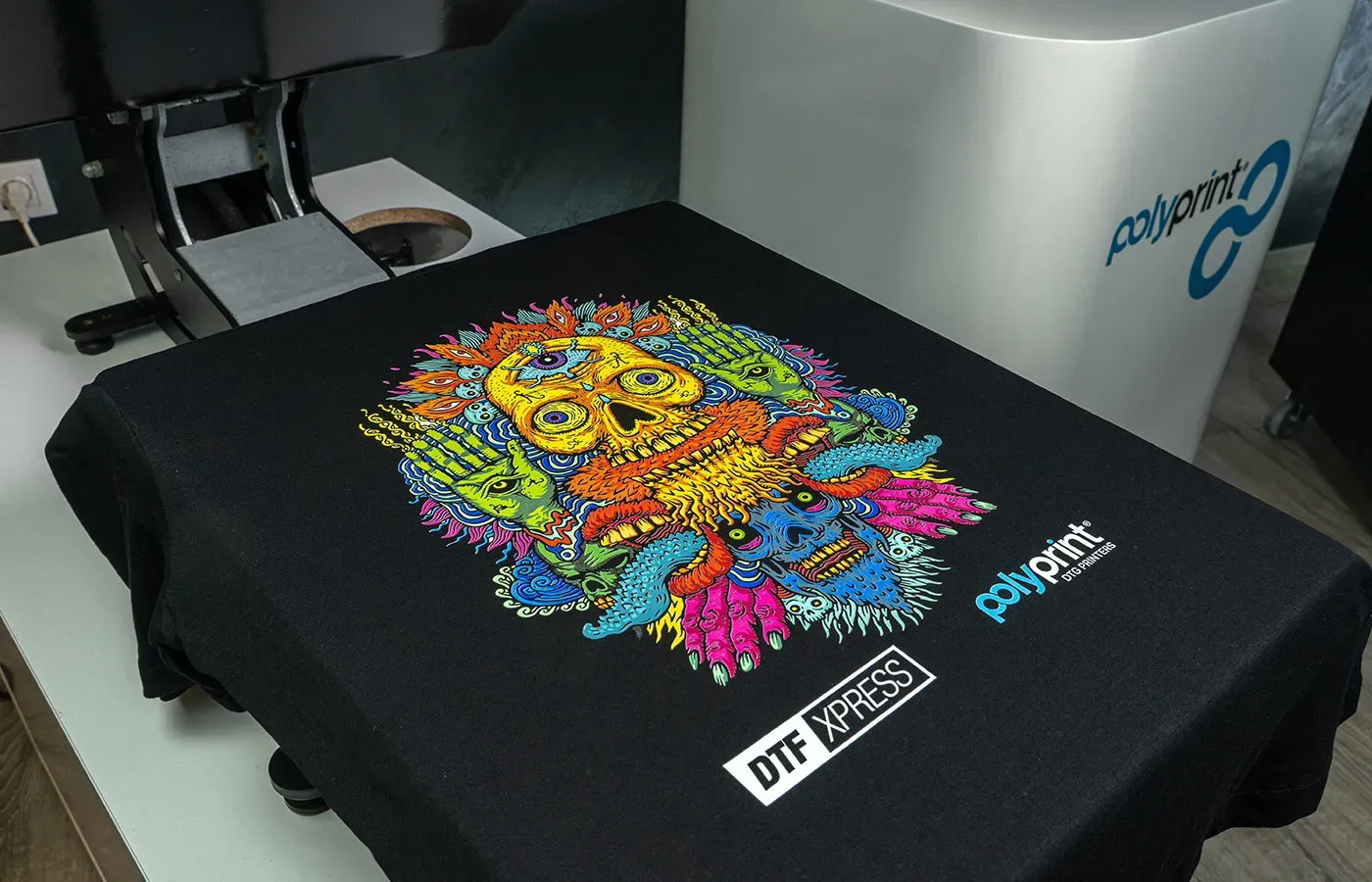
DTF printing offers numerous advantages for custom apparel production, making it a preferred choice for many garment decorators. One of the most significant benefits is its ability to produce vibrant and detailed images, even on dark fabrics. Unlike traditional screen printing, DTF uses a specialized film that allows for the inclusion of numerous colors and intricate designs without the hassle of color limitations. This means that businesses can produce high-quality, custom apparel in a variety of hues and patterns, appealing to a broader customer base.
Moreover, DTF printing is exceptionally versatile, suitable for various fabric types including cotton, polyester, and blended textiles. This flexibility makes it an excellent option for businesses looking to diversify their offerings. Additionally, the process is efficient, enabling quick turnaround times for orders, which is particularly beneficial for entrepreneurs and small businesses aiming to meet rising demand for customized products. As the customization trend continues to grow, DTF printing stands out for its capability to adapt to the ever-changing market.
Essential Equipment for DTF Printing Success
Starting a DTF printing business requires investing in the right equipment to ensure quality and efficiency in your production. At the core of your setup will be a specialized DTF printer, often based on modified Epson models, which are designed to handle DTF inks effectively. It's important to select printers that offer high-resolution output, ensuring your designs are both crisp and vibrant. Additionally, compatible DTF inks that are water-based are essential as they are specially formulated to bond with the film and withstand the heat transfer process.
In addition to a quality printer, other critical components include transfer films and powder adhesives, both of which play crucial roles in the printing process. The transfer film must be made from a durable PET material that’s resistant to heat, while the adhesive helps to secure the design onto the fabric during transfer. A reliable heat press is also necessary to consistently apply the right amount of heat and pressure, ensuring that designs adhere properly to the fabric. By investing in the right equipment, you set a solid foundation for successful DTF printing operations.
Understanding the DTF Printing Process
The DTF printing process consists of several distinct stages that contribute to the final product's quality. First and foremost, it begins with the design creation phase, where high-quality images are crafted using graphic design software. This stage is crucial as the design's resolution directly impacts the print’s final appearance. Ensuring the design is saved in compatible formats like PNG or TIFF is critical, as it preserves the quality and detail needed for effective printing.
Once the design is completed, the next step involves using the DTF printer to transfer the image onto specialized transfer film. This is where adjustments to printer settings come into play, as each type of film and ink combination requires precise configurations to achieve optimal results. After printing, the application of the powder adhesive while the ink is still wet is a vital step, ensuring the design adheres effectively during the heat-pressing stage. Understanding these steps in the DTF printing process helps in preventing common issues and ensures a successful transfer.
Design Preparation in DTF Printing
Preparing your design is a critical phase of the DTF printing process. Utilizing graphic design software such as Adobe Illustrator or CorelDRAW allows you to create compelling visual graphics that stand out. This stage is essential in determining how effectively the design will translate onto fabric. When creating your design, keep in mind the colors, details, and themes that resonate with your target audience. Having a clear understanding of your market's preferences will guide your design choices, making them more appealing.
Moreover, saving your design in appropriate formats is crucial to maintain the integrity of the artwork during printing. Formats like PNG ensure that transparency and quality are preserved, which is particularly important when layering images or working with intricate designs. The design preparation process sets the tone for your entire DTF printing workflow and can significantly influence the overall success of the printed product.
Transfer Techniques for DTF Printing
Transferring the design onto fabric is a pivotal step in the DTF printing process, and it requires meticulous attention to detail to achieve high-quality results. To initiate this process, ensure that your heat press is preheated to the recommended temperature, typically between 320°F to 330°F. This temperature is crucial as it ensures the adhesive properly bonds with the fabric, solidifying the design's durability and vibrancy.
Once the heat press is ready, carefully align the printed transfer film onto the fabric. Taking the time to center the film accurately is vital, as misalignment can lead to unsatisfactory results. Closing the heat press for the designated time, usually around 10-15 seconds, allows the heat and pressure to work their magic. After pressing, allow the fabric to cool slightly before peeling off the transfer film, revealing the brilliantly printed design beneath. Mastering these transfer techniques is essential for ensuring your DTF printing produces stunning, long-lasting apparel.
Maintenance and Quality Control in DTF Printing
Regular maintenance and quality control are integral to sustaining a successful DTF printing operation. To prevent any potential issues that could affect output quality, routine cleaning of the printer heads is recommended. Clogging can occur due to the nature of ink used, particularly if the printer is not used frequently. Performing regular maintenance tasks helps sustain print quality and prolongs the life of your DTF printer, ensuring consistent excellent results.
In addition to cleaning the printer heads, it’s important to monitor the health of your inks and supplies. Always use fresh DTF inks to avoid potential discrepancies in your printing results. Moreover, regularly checking your heat press settings will help maintain consistency, ensuring the temperature and pressure used are optimal for your transfer processes. By integrating these maintenance practices into your workflow, you can bolster the quality of your DTF printing while reducing downtime and enhancing productivity.
Frequently Asked Questions
What is DTF printing and how does it work?
DTF printing, or Direct-to-Film printing, is a modern method for transferring designs onto fabrics. It involves printing a design onto a specialized film using a DTF printer, applying a powder adhesive, and then using a heat press to transfer the design to the fabric. This process ensures vibrant colors and intricate details on various textile materials.
What equipment is required for DTF printing?
To start DTF printing, you need essential equipment including a DTF printer (often modified Epson printers), DTF inks, transfer film, powder adhesive, and a heat press. Each component plays a crucial role in ensuring high-quality and durable prints on fabrics.
How do I prepare my designs for DTF printing?
Preparing designs for DTF printing involves using graphic design software like Adobe Illustrator or CorelDRAW. After creating your design, save it in a suitable format such as PNG or TIFF to ensure clarity, and make sure to adjust your printer settings according to the transfer film and ink type.
What is the DTF printing process step-by-step?
The DTF printing process consists of four main steps: 1) Design creation using graphic software, 2) Printing the design onto transfer film with a DTF printer, 3) Applying powder adhesive while the ink is wet, and 4) Curing the design with a heat press to melt the adhesive onto the ink for a strong bond.
How do I transfer a DTF print onto fabric?
To transfer a DTF print, preheat your heat press to about 320°F to 330°F (160°C to 170°C). Align the printed transfer film on the fabric, then close the heat press and apply pressure for 10-15 seconds. Once done, allow it to cool slightly before peeling off the transfer film to reveal your printed design.
What maintenance is required for DTF printing setup?
Maintaining your DTF printing setup involves regular cleaning of the printer heads, using fresh DTF inks, and checking heat press settings for accuracy. Conducting regular test prints will ensure consistent quality as you produce items.
| Key Component | Description |
|---|---|
| DTF Printing | A modern printing technique for garment decoration that combines digital printing quality with versatility. |
| Process | Involves printing a design on transfer film and transferring it onto fabric using heat and pressure. |
| Key Equipment | Essential tools include a DTF printer, specialized inks, transfer film, powder adhesive, and a heat press. |
| Design Software | Graphic design software like Adobe Illustrator is needed to create and prepare print-ready design files. |
| Market Demand | Rapid growth in demand for customized apparel, making DTF printing a favorable option for small businesses. |
| Maintenance | Regularly clean printer heads and check equipment settings to ensure high-quality production. |
Summary
DTF printing is revolutionizing the garment decoration market with its ability to deliver vibrant designs quickly and efficiently. This technology not only meets the creative needs of entrepreneurs and designers but also presents a lucrative opportunity for small businesses seeking to capitalize on the growing demand for customized and high-quality apparel. By leveraging the right equipment and processes, anyone can successfully tap into the potential of DTF printing, making it an essential consideration for anyone looking to explore garment decoration.