
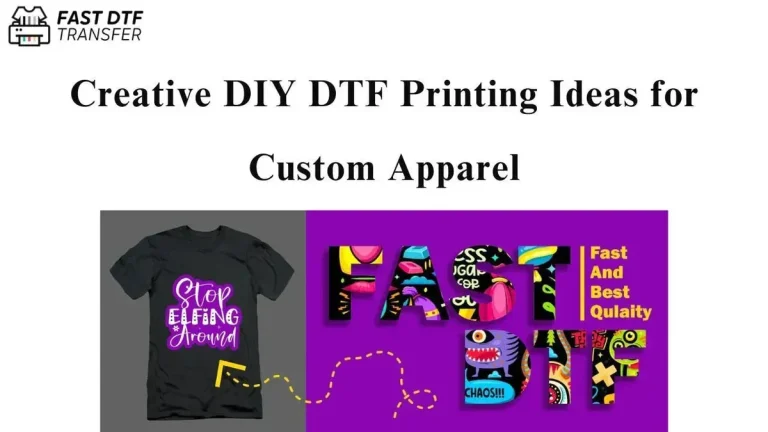
DIY DTF printing has revolutionized the way we approach textile design, enabling crafters and entrepreneurs to create high-quality, custom prints with ease. With the right tools and techniques, anyone can transform their fabric projects into stunning works of art using a DTF printer, DTF transfer film, and vibrant DTF inks. This innovative printing method utilizes a heat press machine and adhesive powder to permanently bond designs to various materials, ensuring durability and vibrancy that stand the test of time. As you delve into the world of DIY DTF printing, understanding each essential supply will empower you to achieve professional results from the comfort of your home. Join us as we guide you through everything you need to kickstart your DTF printing journey effectively and efficiently.
As we explore the realm of direct-to-film printing, also known as DTF customization, you’ll uncover the diverse possibilities this method offers for fabric decoration. Utilizing a specialized film, vibrant inks, and heat application ensures that your designs not only look exceptional but are also long-lasting. Whether you refer to it as DTF transfer technology or custom film printing, the essential tools remain crucial to achieving remarkable results. This DIY approach provides a unique blend of creativity and professional quality, making it a favorite among hobbyists and small business owners alike. Let’s dive into the necessary supplies that will set you up for success in your DTF printing adventures.
Essential Supplies for DIY DTF Printing
When embarking on your DIY DTF printing journey, understanding the essential supplies is the first step towards success. A DTF printer is crucial, as it is specifically designed to print onto transfer films with high fidelity. Brands like Epson and Brother are popular choices among crafters due to their ability to handle the unique inks required for DTF printing. The printer’s capability to deliver vibrant CMYK prints is vital, as the quality of the output directly influences the final product’s appeal.
In addition to the printer, you’ll need DTF transfer film. This film acts as the medium that holds your design before it is heat transferred onto fabric. Opting for high-quality transfer film is essential, as it needs to withstand the heat press without compromising the design. Quality films ensure that the colors remain vibrant and the adhesion is strong, making them an indispensable part of the DTF printing process.
The Role of DTF Inks in Your Printing Process
Choosing the right DTF inks is another fundamental aspect of the printing process. Aqua-based DTF inks have gained popularity due to their eco-friendliness and superior color vibrancy. When selecting inks, it is crucial to ensure that they are compatible with your specific DTF printer. The pigment quality is also a significant factor; high-quality pigments not only enhance the vibrancy of the prints but also ensure that the designs last longer.
Moreover, the range of colors available in DTF inks allows for endless creative possibilities. Artists and businesses can achieve stunning prints without the limitations that come with traditional inks. The right DTF inks can elevate your projects, providing the kind of results that will impress customers and friends alike.
Understanding the Importance of Adhesive Powder
Adhesive powder may seem like a minor component in the DTF printing process, but it plays a critical role in ensuring the adhesion of your design to fabric. Once your design is printed on the transfer film, applying heat-activated adhesive powder is necessary to facilitate a successful transfer. This powder works by essentially bonding the ink to the fabric upon exposure to heat from the heat press.
Investing in high-quality adhesive powder is crucial for the longevity of your prints. Poor-quality powders can lead to designs peeling or fading over time, which is why choosing a reliable source is essential for any serious DTF printer. The right adhesive ensures that your beautifully printed designs will withstand wear and tear, providing satisfaction and durability in your finished products.
Choosing the Right Heat Press Machine
The heat press machine is arguably one of the most critical tools in your DTF printing arsenal. Not all heat presses are created equal, and selecting one that offers adjustable temperature and pressure settings is vital. Specifically designed heat presses for DTF methods tend to yield the best results, providing consistent heat distribution crucial for quality transfers.
A good heat press also enhances your workflow efficiency. Features such as a digital display for temperature settings, timer controls, and even automatic lifting mechanisms can significantly ease the process. When shopping for a heat press, consider the size and functionality based on your project needs; a versatile machine can elevate your DTF printing experience.
Advanced Techniques with Cutting Tools
In the world of DIY DTF printing, precision is key. If you’re aiming to create custom shapes or intricate designs, incorporating cutting tools like Silhouette or Cricut machines into your workflow is highly beneficial. These devices allow you to cut out your designs with exceptional accuracy, giving you the professional finish that is often hard to achieve by hand.
Using cutting tools not only enhances the creative possibilities but also saves time when producing multiple identical designs. Whether you are running a small business or indulging in a hobby, precise cutting makes it easier to apply designs seamlessly to various fabrics, ensuring that each transfer is as perfect as the last.
Best Practices for Successful DIY DTF Printing
While having the right supplies is vital, employing best practices in your printing process can significantly enhance your results. One of the main recommendations is to always test your prints on scrap materials first. This preliminary step allows you to fine-tune your colors and settings before committing to your final project, minimizing material waste and ensuring high-quality outcomes.
Regular equipment maintenance cannot be overlooked as well; keeping your printer and heat press clean will prolong their lifespan and ensure efficient operation. Additionally, staying up-to-date with any software updates for your cutting machines or print setups will keep your workflow smooth and hassle-free. By adhering to these best practices, you can confidently create stunning DTF prints.
Frequently Asked Questions
What are the essential supplies needed for DIY DTF printing?
To start with DIY DTF printing, you will need a DTF printer (like Epson or Brother), DTF transfer film, DTF inks, adhesive powder, and a heat press machine. These components are crucial for producing vibrant and durable prints.
How does a DTF printer differ from a regular printer?
A DTF printer is specifically designed or modified to accommodate DTF printing techniques. It utilizes special CMYK DTF inks that allow for smooth transfers onto fabrics, unlike regular printers that may not support this application.
Why is high-quality DTF transfer film important?
High-quality DTF transfer film is essential as it must withstand the heat of a heat press without losing its integrity, ensuring that your designs adhere properly to the fabric and maintain their vibrant colors.
What role does adhesive powder play in DIY DTF printing?
Adhesive powder is heat-activated and is applied after printing the design onto the DTF transfer film. It is critical for ensuring that the design sticks to the fabric during the heat transfer process, contributing to the durability of the print.
How do I choose the right DTF inks for my printing projects?
When selecting DTF inks, look for aqua-based options that are compatible with your DTF printer. These inks are known for their eco-friendliness and vibrant color payoff, ensuring that your prints are both sustainable and eye-catching.
Can I use a standard heat press machine for DIY DTF printing?
Yes, you can use a standard heat press machine, but it’s best to choose one that has adjustable temperature and pressure settings. Specialized heat presses designed for DTF printing can yield even better results, but a quality standard model can also work effectively.
| Key Components | Description |
|---|---|
| DTF Printer | Essential printer compatible with DTF, like Epson or Brother, using special CMYK inks. |
| DTF Transfer Film | Film that holds designs for transfer; choose high-quality films for best results. |
| DTF Inks | Eco-friendly, vibrant aqua-based inks that ensure compatibility with printers. |
| Adhesive Powder | Heat-activated powder applied to ensure print adheres to fabric. |
| Heat Press Machine | Machine with adjustable settings necessary for effective heat transfer. |
| Cutting Tools | Tools like Silhouette or Cricut for precision cutting of designs. |
| Transfer Paper | Optional for projects; films are typically preferred for compatibility. |
| Protective Equipment | Safety gear such as gloves and glasses to prevent injuries while crafting. |
Summary
DIY DTF printing has revolutionized the way we approach garment decoration, making it accessible and easy for anyone to create stunning, high-quality prints. By understanding the essential supplies required for this creative process, you can ensure your projects stand out with vibrancy and durability. From selecting a reliable DTF printer and high-grade transfer films to the importance of eco-friendly inks and adhesive powders, each component plays a crucial role in the printing journey. As you explore the vibrant possibilities of DIY DTF printing, remember to prioritize quality materials and practice safety. This way, you can unleash your creativity and enjoy the art of custom designs like never before.