
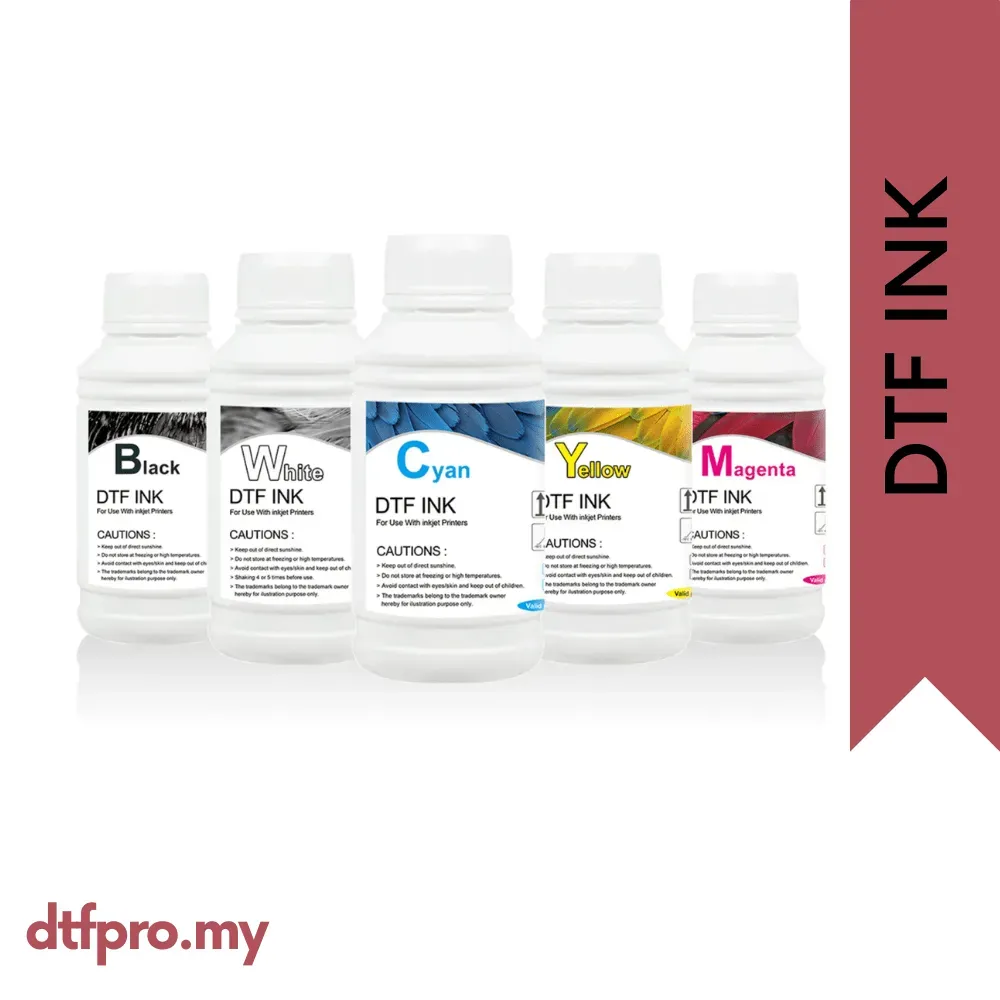
When looking for the best DTF supplies, it's essential to understand how each component contributes to the success of your Direct-to-Film (DTF) printing projects. DTF printing has gained traction in the textile world for its ability to produce incredibly vibrant colors and intricate designs on a variety of materials. The right DTF supplies can dramatically enhance your print quality, making your work stand out. From high-quality films to compatible inks and effective heat presses, each element plays a pivotal role in the final outcome. In this guide, we’ll explore the best DTF supplies and how to evaluate them to ensure you achieve stunning results with every print.
Understanding the fundamentals of Direct-to-Film technology is crucial for anyone invested in textile crafting. Often referred to as DTF transfer methods, this printing process allows artists and business owners to fulfill their creative visions on fabric with remarkable detail and vibrant hues. The selection of high-grade supplies, including specialized films, pigments, and adhesives, is critical to ensuring lasting impressions that can withstand the test of time. Whether you're a hobbyist or a professional, the right DTF materials can significantly elevate your print projects. In this overview, we will delve into the various components that make up the best supplies for DTF printing, guiding you toward optimal performance and high-quality outputs.
Essential Components of DTF Printing Supplies
Direct-to-Film (DTF) printing supplies consist of various components that collectively determine the quality of the final prints. These components include the film, inks, adhesives, printers, and curing equipment. Each supply plays a crucial role in the printing process, from the initial design to the transfer of the image onto the fabric. The choice of high-quality DTF supplies is fundamental to achieving vibrant colors, durability, and precision in textile printing.
The film quality is particularly important, as it serves as the base for the printed design. Using high-quality PET film ensures that the colors remain vivid and the design adheres well to the fabric. Coupling this with the right inks designed specifically for DTF processes can significantly enhance the print quality and longevity, resulting in satisfied customers.
Understanding DTF-Film and Its Importance
When selecting DTF supplies, understanding the film's role in the printing process is paramount. DTF film acts as both the medium for printing and the carrier for the design when transferred to fabric. A high-quality film not only ensures accurate color representation but also impacts adhesion and durability. Films that are manufactured under specific guidelines for DTF printing are crucial for creating high-quality products that withstand washes and regular wear.
Moreover, the surface finish of the film should be smooth to enhance ink adhesion and clarity. A rough-textured film could lead to poor print quality, diminishing the vibrancy and detail of the design. Thus, ensuring the selection of a premium film is a key factor in the production of flawless prints.
The Role of Inks in DTF Printing
Inks are essential for achieving the desired vibrancy and longevity of prints in DTF printing. The type of ink chosen can greatly influence the color payoff and durability of the final product. Pigment inks are often preferred due to their resistance to fading, making them ideal for creating striking and long-lasting designs. In contrast, dye inks can fade quicker, which may not suffice for high-quality requirements.
It is also crucial to choose inks specifically manufactured for DTF applications. These specially formulated inks contain additives that improve performance and ensure optimal adhesion to the film. Therefore, understanding the differences between ink types and selecting the right ones for your specific printer and DTF process is critical for ensuring high standard outputs.
Understanding Adhesives and Their Impact on Print Quality
Adhesives play a significant role in DTF printing, affecting how well the design adheres to various substrates. High-quality heat transfer adhesives designed for DTF processes will provide the bond necessary for durability without compromising flexibility. Using poor-quality adhesives can lead to cracking and peeling of the print during regular wear, negatively impacting the perceived quality of your work.
Additionally, the choice between powder adhesives and liquid adhesives can also influence the print results. Powder adhesives can offer a more uniform coating, preventing excess buildup and ensuring even transfer. Understanding the types of adhesives available and their functionalities is vital to ensure that the designs cling well to the fabric while maintaining flexibility and vibrancy.
Selecting the Right Printer for DTF Supplies
Choosing an appropriate printer is a critical step in the DTF printing process as it can significantly affect both the quality of prints and workflow efficiency. Many textile printers opt for modified inkjet printers, with Epson models typically being favored due to their compatibility with DTF inks and ability to produce sharp, vibrant details. Selecting a printer that can handle the specific inks used in the DTF process is essential for preventing common issues like clogging.
Moreover, maintenance of the print head is crucial for achieving consistent print quality. Regular cleaning and attention to the printer's specifications help avert issues like inconsistent ink flow and color representation. Ensuring that your printer is in optimal condition is a fundamental step towards producing high-quality DTF prints.
Curing Processes and Their Importance in DTF Printing
The curing process is a vital phase in DTF printing where the design is adhered to the fabric using heat. A reliable heat press is crucial to this stage, as accurate temperature and time settings directly influence the quality of the adhesion and the vibrancy of the final product. Ensuring that your heat press is calibrated correctly can prevent significant issues such as inconsistent prints and unsatisfactory results.
In addition, maintaining your heat press for optimal performance through regular calibration will help ensure that prints are up to standard every time. Adhering to the manufacturer's guidelines for specific materials and inks will facilitate excellent adhesion and durability, contributing to the overall success of your DTF printing projects.
Frequently Asked Questions
What are the best DTF supplies for high-quality prints?
The best DTF supplies for high-quality prints include high-quality PET film, pigment inks specifically designed for DTF printing, effective heat transfer adhesives, and reliable heat presses. These components work together to ensure vibrant colors, durability, and excellent adhesion in your prints.
How does film quality affect DTF printing results?
Film quality significantly impacts DTF printing results. High-quality PET film provides better ink adhesion and vibrant colors, while a smooth surface prevents print defects. Using poor-quality film can lead to issues like fading and lack of detail in your designs.
What type of inks are recommended for Direct-to-Film printing?
For Direct-to-Film printing, pigment inks are recommended over dye inks due to their superior vibrancy and resistance to fading. It is essential to choose inks that are specifically formulated for DTF processes to enhance print quality and longevity.
Why are adhesives important in the DTF printing process?
Adhesives are crucial in the DTF printing process as they ensure the printed designs adhere properly to the fabric. Using high-quality heat transfer adhesives, particularly powdered kinds, helps achieve a strong bond without cracking or peeling during wear, thus improving overall print quality.
What features should I look for in a heat press for DTF printing?
When selecting a heat press for DTF printing, look for features such as consistent temperature control, adjustable pressure settings, and reliable calibration. These factors ensure proper curing of your prints, leading to better adhesion and vibrant colors.
How can I find reputable suppliers for DTF supplies?
To find reputable suppliers for DTF supplies, consider checking online reviews, joining community forums, and seeking recommendations from other DTF users. Compare local and online suppliers to determine which offers the best products and support for your printing needs.
| Key Considerations | Details |
|---|---|
| Film Quality | High-quality PET film is essential for vibrant colors and durability. Look for smooth surfaces for better ink adhesion. |
| Inks | Opt for pigment inks for lasting vibrancy. Check compatibility with your printer. |
| Adhesives | Use high-quality heat transfer adhesives. Powder adhesives offer even coating. |
| Printer Selection | Choose modified inkjet printers (like Epson) that can handle DTF inks. |
| Curing Process | A reliable heat press ensures proper curing for vibrant colors and adhesion. |
| Suppliers | Research local and online suppliers. Check reviews for quality. |
| Cost Considerations | Invest in quality materials for better longevity and print results. |
Summary
When it comes to sourcing the best DTF supplies, selecting the appropriate materials is paramount for ensuring quality prints. DTF printing enables you to achieve visually stunning and durable designs, but this is heavily reliant on the supplies you choose. High-quality films, vibrant inks, effective adhesives, and reliable printers are essential components of a successful printing process. Additionally, thorough research on suppliers and their reputation, along with considering the long-term value of higher-quality supplies, can significantly improve your overall printing experience. By investing in the best DTF supplies, you will enhance your production quality and customer satisfaction.