
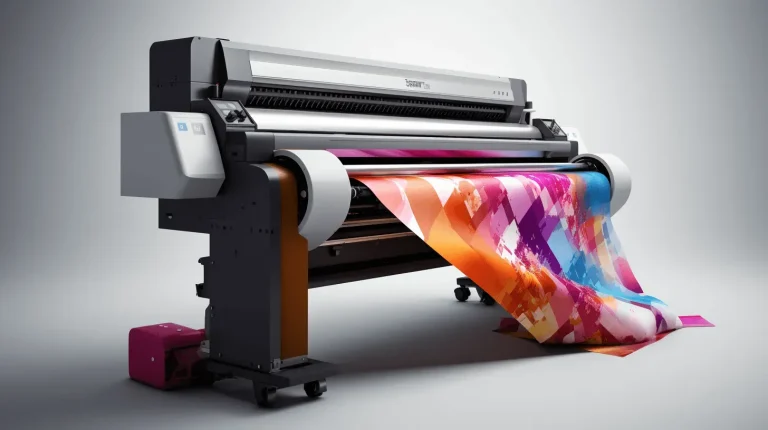
DTF printing, or direct-to-film printing, is revolutionizing the way custom apparel is created, making it easier for both hobbyists and professionals to produce stunning designs. As a newcomer to this exciting field, you might be wondering what DTF printing entails and how to get started. This innovative method combines the flexibility of digital printing with the durability of traditional screen printing, allowing for high-quality images on a variety of fabrics. In this guide, you’ll find valuable DTF printing tips, essential equipment recommendations, and a beginner-friendly overview to help you navigate your creative journey. Let’s explore the captivating world of DTF printing and equip you with the knowledge needed to achieve your design goals.
Known by various names, such as direct film printing or film transfer printing, DTF printing offers a unique approach to apparel customization that has gained traction among enthusiasts and entrepreneurs alike. This method involves a specific process that allows intricate designs to be transferred from film to fabric, enabling a new level of creativity in garment decoration. For those unfamiliar with this printing technique, our detailed DTF printing beginner guide will highlight critical steps and necessary tools to kickstart your projects. Additionally, we will delve into practical advice such as how to DTF print effectively and maintain your equipment, ensuring you get the best results possible. Join us as we uncover the endless possibilities that DTF printing brings to the table, all while ensuring your workflow is smooth and efficient.
What is DTF Printing?
Direct-to-Film (DTF) printing is an innovative technique that allows for high-quality, full-color graphics to be applied to fabric. This method involves printing graphics onto a special film with specially formulated inks, which are then transferred to a fabric using a heat press. Unlike traditional methods such as screen printing, DTF can yield vibrant and detailed designs on various fabric types, ranging from cotton to polyester. Its versatility makes it increasingly popular in the custom apparel industry.
DTF printing stands at the intersection of modern technology and traditional garment decoration methods. It shares similarities with Direct-to-Garment (DTG) printing, yet offers a unique solution that allows for easier application and more extensive fabric compatibility. Users find that DTF printing produces durable and flexible prints that maintain their vibrancy even after multiple washes, setting it apart from the competition.
Essential Equipment for DTF Printing
When starting your journey into DTF printing, it’s crucial to understand the essential equipment you’ll need. First and foremost, invest in a high-quality DTF printer. Many beginners opt for modified Epson printers, which are well-suited for DTF processes due to their ink delivery systems. Alongside the printer, you’ll require specialized transfer film that has been designed specifically for DTF printing, as this film ensures quality results and aids in proper ink absorption.
In addition to printers and films, another key component of DTF printing is adhesive powder. This powder is used to help bind the printed graphic to the fabric when heated. Without it, your designs may not adhere correctly. Lastly, a reliable heat press is indispensable. It must deliver uniform heat and pressure, which are critical for ensuring that the print properly bonds to the fabric, resulting in a vibrant finish that lasts.
Preparing Your Designs for DTF Printing
Creating visually appealing designs for DTF printing is a foundational step that can significantly impact the quality of your final product. Begin by ensuring that your graphic files are of high resolution; this is vital for maintaining clarity and detail in your prints. Experiment with different design software applications, such as Adobe Illustrator or CorelDRAW, which allow for better control over the colors and layouts of your designs.
In addition to resolution, pay attention to the color profiles you’re using. Selecting the appropriate color settings will help ensure that the shades you see on your screen match what gets produced during the printing process. It’s also wise to simplify your designs to some extent; overly intricate designs may face challenges during transfer and printing, especially for beginners who may not yet have perfected their technique.
DTF Printing Tips for Beginners
As a beginner in DTF printing, several tips can help you achieve better results and reduce frustrations. First, invest in quality inks that are specifically designed for DTF processes. High-quality inks tend to yield brighter colors and more durable designs, which are crucial factors for ensuring customer satisfaction in custom apparel production. Moreover, always follow manufacturer recommendations for ink and film compatibility to enhance print quality.
Another essential tip is related to the settings of your heat press. During the printing process, experiment with various temperatures and timings, as different fabrics may require different heat levels for optimal adhesion. A common guideline is to set your heat press to around 320°F and adjust timing between 10 to 15 seconds. As you work with various materials, it’s important to conduct tests and refine your technique based on the results.
Common Challenges in DTF Printing
Newcomers to DTF printing often encounter a few common challenges that can hinder their success. One of the biggest issues is ink smudging, which frequently arises when prints are peeled too early. Allowing the ink enough time to cure before lifting the transfer film is critical, as it helps set the print properly on the fabric and minimizes damage. Patience during this step can lead to significant improvements in print quality.
Another prevalent issue is inadequate adhesion of the print to the fabric. This can often be traced back to improper heat press settings, such as insufficient pressure or incorrect temperature. Regular maintenance of your heat press and consistent practice will help mitigate such problems over time. Lastly, using the right type of DTF film is essential; always verify film specifications to ensure compatibility with both your ink and printer to avoid unnecessary complications.
Learning Resources for DTF Printing Enthusiasts
Continuous education is vital for mastering DTF printing, especially for beginners eager to enhance their skills. Leverage online platforms like blogs and articles that focus on DTF printing techniques and experiences. The Printavo Blog, for instance, offers valuable insights into common challenges faced by DTF printers, equipping you with knowledge to avoid them in your projects.
Additionally, tapping into YouTube tutorials can greatly benefit visual learners who prefer demonstrative guidance through the DTF printing process. Channels dedicated to DTF techniques often share practical tips and hands-on demonstrations that cater to beginners. Engaging with online crafting communities, such as Reddit’s r/DTFprinting, can also provide a wealth of shared experiences, advice, and troubleshooting tips from fellow enthusiasts and seasoned printers.
Frequently Asked Questions
What is DTF printing and how does it work?
DTF printing, or direct-to-film printing, is a process where graphics are printed onto special films using unique DTF inks. The printed film is then heat-pressed onto fabric, allowing for vibrant and durable designs. This method combines elements of direct-to-garment printing and screen printing, making it versatile across various fabric types.
What equipment do I need to start with DTF printing?
To begin DTF printing, you’ll need a reliable DTF printer (often modified Epson models), specialized transfer films, adhesive powder, and a quality heat press. These essential tools help ensure successful application and high-quality prints.
What are some DTF printing tips for beginners?
For beginners in DTF printing, important tips include using high-resolution design files to avoid pixelation, ensuring proper color profiles for accuracy, and experimenting with heat press settings (around 320°F for 10-15 seconds) based on the fabric you’re using.
How do I prep my designs for DTF printing?
Prepping your designs for DTF printing involves creating high-resolution files, using appropriate color profiles in software like Adobe Illustrator, and ensuring the designs are not overly intricate to facilitate a successful print transfer.
What common challenges might I face in DTF printing?
Common challenges in DTF printing include ink smudging if prints aren’t cooled properly, inadequate adhesion due to heat press settings, and using incompatible films. Addressing these issues involves careful handling and gear maintenance.
What resources can help me learn more about DTF printing?
To enhance your DTF printing knowledge, explore online tutorials on platforms like YouTube, visit blogs like Printavo for insights and tips, participate in crafting communities on Reddit, and check manufacturer resources for instructional content.
| Key Point | Details |
|---|---|
| Introduction | Overview of DTF printing and its growing popularity in custom apparel. |
| Understanding DTF Printing | DTF printing involves printing on special film, which is then transferred to fabric using heat. |
| Essential Equipment for DTF Printing | Key equipment includes a DTF printer, specialized transfer film, adhesive powder, and a heat press. |
| Prepping Your Designs | Use high-resolution files and appropriate color profiles to ensure design quality. |
| Key Printing Tips | Invest in quality inks and experiment with temperature and timing for optimal results. |
| Post-Processing Steps | Utilize the cold peel process for improved print quality and longevity. |
| Common Challenges | Address issues like ink smudging and inadequate adhesion by monitoring settings and materials. |
| Learning Resources | Utilize blogs, YouTube tutorials, communities, and manufacturer resources for guidance. |
Summary
DTF printing is an innovative technique that transforms the custom apparel landscape through its unique approach to fabric printing. By leveraging advanced processes involving specialized inks and films, DTF printing allows creators to achieve high-quality and vibrant designs on a variety of materials. As the popularity of DTF printing continues to rise, mastering the necessary skills and techniques will not only enhance your creative abilities but also open new avenues for personalized apparel production. The right tools, preparation, and ongoing learning are key to thriving in this exciting field.