
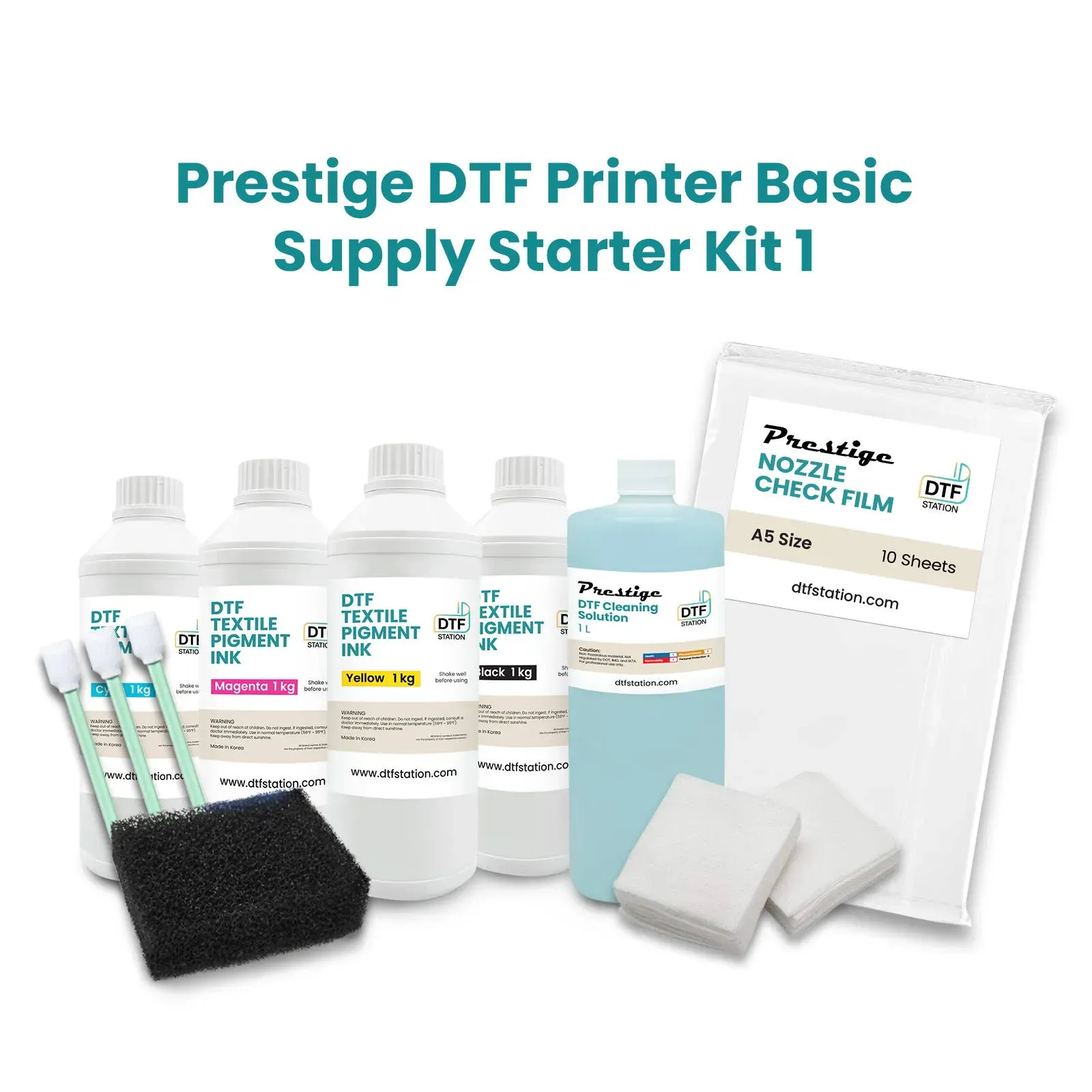
DTF Supplies are leading the charge in a transformative wave sweeping through the apparel printing industry. Direct-to-Film (DTF) printing technology allows for exceptionally detailed and colorful designs to be applied to various fabrics, making it a favorite among custom apparel creators. With the necessity for sustainable fashion on the rise, these innovative fashion printing supplies are making eco-friendly practices easier than ever. Whether you are looking to revamp your wardrobe or enhance your business offerings, understanding the role of DTF supplies is essential. In this article, we’ll delve into essential components that contribute to the success of DTF printing, providing insights valuable to both beginners and seasoned professionals.
As we explore the world of Direct-to-Film supplies, it’s important to note how this modern printing method diverges from traditional techniques. The DTF approach provides an efficient and versatile option for printing custom designs directly onto fabrics, catering to evolving consumer preferences in personalized apparel. By leveraging advanced technology and sustainable materials, businesses can create high-quality garments that meet the demands of the eco-conscious market. This discussion will uncover the key components essential for effective printing, including specialized inks, high-quality films, and reliable adhesive powders. Join us in discovering how DTF printing is not only reshaping apparel customization but also paving the way for more responsible fashion choices.
What is DTF Printing and Why It Matters
Direct-to-Film (DTF) printing is a cutting-edge technique in the world of custom apparel and textile printing, offering remarkable versatility and high-quality results. This method has quickly gained popularity due to its ability to produce vibrant and detailed designs that maintain their integrity wash after wash. Unlike traditional printing techniques that may restrict the range of fabrics that can be printed on, DTF printing excels by allowing designs to be applied to both natural and synthetic materials. As brands increasingly focus on personalization and bespoke designs, understanding DTF's capabilities becomes key to navigating the current landscape of fashion printing.
The significance of DTF printing can also be seen in its alignment with sustainability trends within the fashion industry. With eco-friendly inks and waste-reducing techniques that diminish material use, brands seeking to appeal to environmentally conscious consumers can leverage this innovative printing method. As we move towards a more sustainable fashion future, DTF printing stands as a prime solution for merging quality production with responsible practices.
Key Advantages of DTF Printing Over Traditional Methods
One of the principal advantages of DTF printing is its exceptional color vibrancy and durability compared to traditional methods like Direct-to-Garment (DTG) printing. DTF utilizes specialized films and high-quality inks which result in sharp, vivid prints that easily withstand the rigors of everyday wear and repeated washes. This attribute not only enhances the visual appeal of custom apparel but also extends the lifespan of the clothing, making DTF a practical choice for businesses looking to offer long-lasting products.
Additionally, the flexibility of DTF printing allows businesses to adapt their offerings to meet ever-changing fashion demands. Whether it's a single piece or a bulk order, DTF printing accommodates varied job sizes without compromising on quality. This scalability empowers businesses to explore unique designs or cater to niche markets, ensuring they stay competitive in an increasingly crowded marketplace.
Essential DTF Supplies for Beginners
Starting out in DTF printing requires a keen understanding of quality supplies that are foundational to the process. High-quality DTF films from reputable brands like Avery Dennison are critical as they ensure strong adhesion to fabric and facilitate the transfer of vibrant designs. Suitable films significantly enhance the print outcome, providing a canvas that showcases the strengths of DTF printing.
In addition to films, investing in reliable eco-friendly ink options is equally important. Brands like Epson have developed specific ink formulations that complement DTF printing, promoting vivid colors while adhering to environmental standards. Pairing high-quality inks with appropriate adhesive powders, such as Siser EasyPrint, guarantees that your designs fuse seamlessly with various fabric types, securing their durability over time.
The Role of Sustainability in DTF Printing
As the global fashion industry shifts towards sustainability, DTF printing is emerging as a frontrunner due to its environmentally friendly processes. By utilizing water-based inks and materials that minimize waste, this printing method resonates with a growing demographic of eco-conscious consumers. Brands that harness DTF printing can effectively address consumer demand for sustainable apparel, setting themselves apart in a competitive marketplace.
Moreover, switching to sustainable practices, such as opting for DTF over more environmentally harmful printing options, positions brands positively in the eyes of consumers. This transition not only nurtures brand loyalty but also helps attract new customers who prioritize sustainability in their purchasing decisions. Thus, integrating DTF printing into a business strategy can yield both environmental benefits and solid economic growth.
Emerging Trends in the DTF Printing Industry
The DTF printing industry is currently witnessing rapid growth and diversification driven by advancements in technology and an increase in consumer demand for customized products. Personalized apparel, particularly among younger demographics, is on the rise. This trend has led to a surge in businesses adopting DTF printing as a service to tap into this lucrative market, creating a vibrant ecosystem for both suppliers and end-users.
Additionally, as education and resources become more accessible through online platforms, new entrants in the DTF space can quickly acquire the knowledge they need to succeed. Vendors like Printful are capitalizing on this need by offering tutorials and webinars to help aspiring entrepreneurs navigate the DTF landscape effectively. By fostering a growing community equipped with the right tools and techniques, the future of DTF printing looks promising.
DTF Supplies: Quality Matters for Successful Printing
Ensuring the success of any DTF printing venture lies heavily in the quality of supplies used. Investing in premium films, inks, adhesive powders, and reliable printers helps to guarantee that the prints meet customer expectations and industry standards. High-quality DTF supplies not only result in superior print outcomes but also enhance the functionality and durability of the final product, ensuring customer satisfaction.
For businesses aiming to thrive in the competitive apparel market, sourcing supplies from credible suppliers like Avery Dennison and GSG is paramount. These companies provide essential tools that allow operators to create high-quality, long-lasting prints suitable for a range of fabrics. Utilizing quality DTF supplies is an investment in the brand's reputation and future growth.
Frequently Asked Questions
What are essential DTF supplies for high-quality apparel printing?
To achieve outstanding results in DTF printing, you'll need high-quality DTF supplies, including premium DTF films such as Avery Dennison, eco-friendly inks from brands like Epson, effective adhesive powders like Siser EasyPrint, and reliable printers such as the Epson L1800. These components ensure vibrant, durable designs on various fabrics.
How does DTF printing compare to other apparel printing methods?
DTF printing stands out among other methods like DTG (Direct-to-Garment) because it allows for printing on a broader range of substrates, delivering vibrant colors and durability. The DTF process involves transferring designs from a special film using heat, making it versatile for custom apparel.
Why is sustainability important in DTF printing supplies?
Sustainability is crucial in DTF printing supplies as consumers increasingly seek eco-friendly options. Many brands are transitioning to water-based inks, reducing environmental impact while still delivering high-quality custom apparel. Choosing sustainable DTF supplies helps attract eco-conscious consumers and enhances brand reputation.
Can I use any printer for DTF printing processes?
Not all printers are suitable for DTF printing. It's essential to select printers known for their compatibility with DTF supplies, such as the Epson L1800 or Roland BN-20. These printers ensure reliable quality and performance, directly impacting the success of your custom apparel printing.
What types of fabrics can DTF supplies be applied to?
DTF supplies are versatile and can be applied to a wide range of fabrics, including cotton, polyester, blends, and more. This flexibility allows for extensive customization in apparel printing, enabling the creation of personalized and high-quality designs on various material types.
How can I stay updated on the latest trends in the DTF printing market?
To stay informed about the latest trends in the DTF printing market, regularly check resources from suppliers like Printful and SuccesPrints. They provide valuable online tutorials, webinars, and market reports that help businesses navigate the evolving landscape and optimize their DTF printing processes.
| Component | Description | Recommended Brands |
|---|---|---|
| DTF Films | Essential for adhesion and withstanding high temperatures | Avery Dennison, GSG |
| Inks | Water-based, eco-friendly inks that ensure vibrant colors | Epson, Brother |
| Adhesive Powders | Binds the print to fabric, ensuring durability | Siser EasyPrint DTF Powder |
| Printers | Needed for executing DTF prints with quality | Epson L1800, Roland BN-20 |
Summary
DTF Supplies are at the forefront of a transformative wave in the apparel printing sector. This innovative Direct-to-Film printing technique offers an exceptional level of customization with vibrant colors, durability, and adaptability across various fabric types. As the market for personalized products expands, suppliers are increasingly focusing on quality and sustainability, with eco-friendly inks and high-quality films taking center stage. Investing in the right DTF supplies is essential for businesses aiming to deliver premium prints that meet the evolving preferences of consumers. In this competitive landscape, utilizing the latest technologies and maintaining high standards in printing materials will help brands thrive and stand out in the flourishing DTF printing marketplace.