
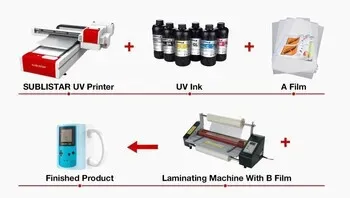
UV DTF technology is revolutionizing the printing industry by introducing a cutting-edge method of Direct to Film printing that delivers unparalleled quality and versatility. This innovative approach allows for vibrant prints on a wide range of materials, making UV DTF an essential solution for businesses looking to stand out in a competitive market. The benefits of UV DTF are vast, including faster production speeds and enhanced durability of prints, which cater to the growing demands for quick and reliable services. Additionally, understanding how UV DTF works provides insight into its advantages over traditional printing methods, particularly in terms of sustainability and cost-effectiveness. With its diverse applications, including custom apparel and promotional products, UV DTF technology is poised to be a game-changer in the world of graphics production.
Direct to Film (DTF) printing, specifically using ultraviolet light, offers a transformative alternative to conventional printing methods. This modern technique harnesses the power of UV curing to achieve vibrant colors and sharp details on various substrates, making it ideal for intricate designs. The versatility of DTF printing allows it to adapt to numerous materials, unlocking new opportunities for businesses in the fashion, advertising, and merchandise sectors. By streamlining the production process and minimizing waste, UV DTF printing not only enhances efficiency but also addresses the industry's shift towards eco-friendly practices. As companies increasingly adopt this advanced technology, the landscape of graphic production continues to evolve, offering innovative solutions that surpass traditional approaches.
Understanding UV DTF Technology
UV DTF (Direct to Film) technology represents a groundbreaking advancement in the printing industry, allowing for high-resolution graphics to be printed directly onto a thin film, which is then transferred to the final substrate. This method combines the benefits of UV printing and the flexibility of traditional DTF approaches, resulting in stunning visuals that outperform many legacy techniques. By employing ultraviolet light to cure inks instantly, UV DTF ensures prints exhibit vibrant colors and precise details, making them ideal for various applications.
Furthermore, the process of UV DTF allows for compatibility across a broad spectrum of substrates including textiles, plastics, and metals, which positions it as a versatile solution for creative professionals and businesses alike. With its ability to produce striking, long-lasting images, UV DTF technology is redefining customer expectations and setting new benchmarks in digital printing.
Frequently Asked Questions
What are the benefits of UV DTF printing compared to traditional methods?
UV DTF printing offers several benefits over traditional printing methods, including high-quality outputs with vibrant colors, faster production speeds due to simplified processes, and versatility across various materials like textiles, plastics, and metals. Additionally, UV DTF is often more cost-effective, particularly for low-volume orders, and aligns with sustainability goals by using fewer VOCs.
How does UV DTF technology work in the printing process?
UV DTF technology works by using a special film that is printed on before curing the ink with UV light. This process allows for instant drying, resulting in prints with exceptional adhesion and durability. The ink bonds strongly to surfaces, maintaining color integrity and sharp details even under challenging conditions.
What applications can benefit from UV DTF technology?
UV DTF technology is versatile and can be applied across various industries including fashion for custom apparel, advertising for promotional materials, and merchandise production for unique products. Its adaptability to different substrates makes it ideal for creating eye-catching designs on textiles, plastics, metals, and glass.
How does UV DTF technology compare to traditional printing techniques?
UV DTF technology outperforms traditional printing techniques by reducing the time required for setup and production. Unlike conventional methods, which often involve multiple steps, UV DTF simplifies the process, allowing for quicker turnarounds and reduced labor costs while still providing high-quality, durable prints.
What makes the prints produced by UV DTF technology more durable?
Prints produced by UV DTF technology are more durable due to the UV curing process, which allows inks to be instantly dried and securely bonded to various surfaces. This enhanced adhesion ensures that the prints can withstand everyday wear and tear, maintaining their vibrant appearance and longevity, making them ideal for items requiring durability.
Why is UV DTF printing considered a sustainable option?
UV DTF printing is considered a sustainable option because it uses fewer volatile organic compounds (VOCs) compared to traditional printing methods. This eco-friendliness aligns with global trends towards sustainability, making UV DTF an appealing choice for businesses looking to reduce their environmental impact while still delivering high-quality products.
| Key Features | Details |
|---|---|
| High-Quality Output | Delivers vibrant colors and sharp details with instant drying and strong ink adhesion. |
| Versatility of Materials | Adapts to textiles, plastics, metals, and glass, suitable for various industries. |
| Faster Production Speeds | Streamlines production cycles, increasing throughput and reducing labor costs. |
| Cost-Effective Printing | Minimizes setup costs, supports on-demand printing—ideal for small businesses. |
| Sustainability | Uses fewer VOCs, aligning with eco-friendly initiatives. |
| Enhanced Adhesion and Durability | Produces long-lasting prints that withstand daily use. |
Summary
UV DTF technology is revolutionizing the printing industry with its unparalleled blend of quality, efficiency, and sustainability. This innovative printing method not only enhances the color vibrancy and detail of outputs but also adapts seamlessly to a variety of materials. By streamlining production processes, UV DTF facilitates quicker turnaround times, making it highly appealing for businesses seeking to maintain a competitive edge. With the industry witnessing significant growth and adoption of this technology, the future looks promising as UV DTF continues to redefine printing solutions for diverse applications.