
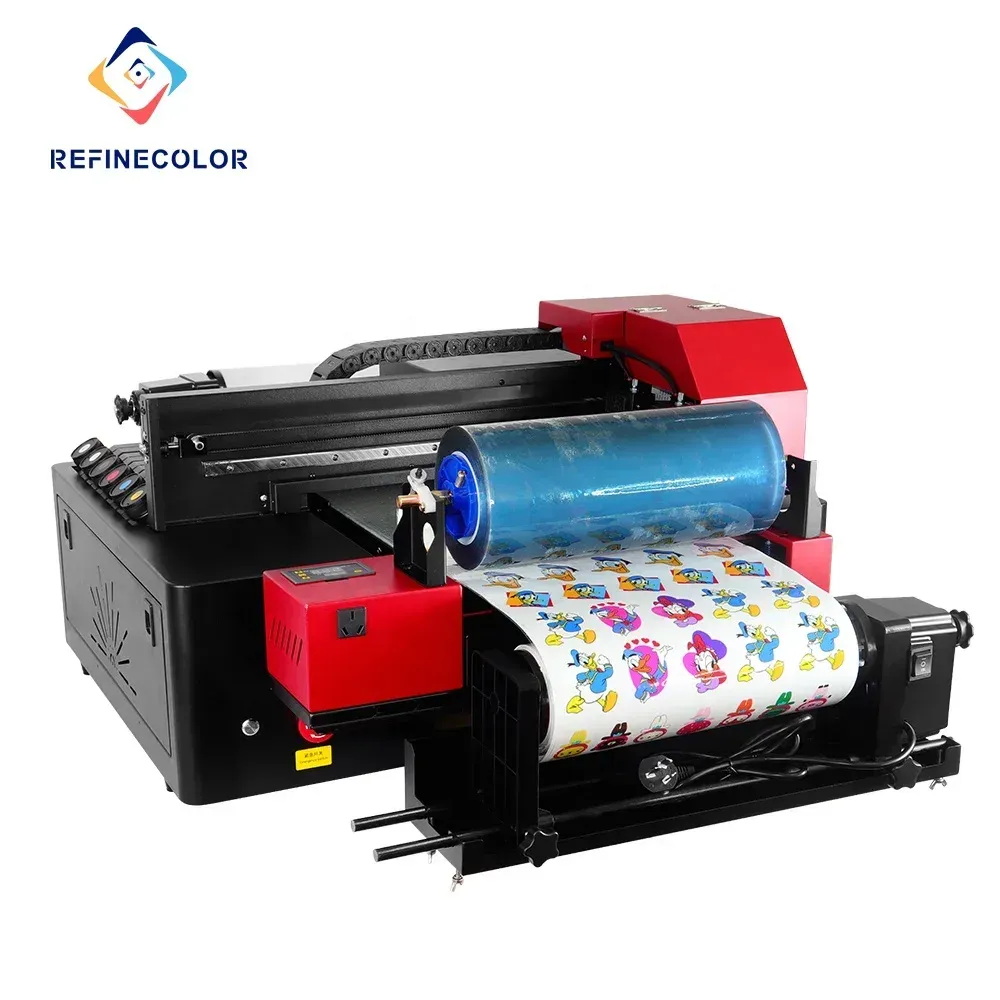
In the world of contemporary printing, UV DTF (Direct to Film) technology has emerged as a transformative solution that redefines traditional methods. This innovative printing technique harnesses the power of ultraviolet (UV) light to instantaneously cure inks directly onto film and various substrates. With its rapid curing capabilities, UV DTF enhances production efficiency and ensures vibrant, durable prints that stand the test of time. The benefits of UV DTF are vast, making it a game changer in printing applications across industries—from fashion to packaging. As we delve deeper into this blog, we will explore the remarkable aspects of UV printing technology that are reshaping the landscape of printing today.
UV Direct to Film printing, often referred to as UV DTF, is revolutionizing the printing sector with its advanced capabilities and efficiency. This remarkable technology utilizes ultraviolet rays to cure inks, allowing printers to achieve high-quality outputs across a myriad of surfaces. Often touted as a modern miracle in the printing world, this method transcends traditional techniques, introducing a realm of versatility that enables applications in sectors such as textiles, promotional goods, and even industrial products. The environmental benefits of UV DTF, coupled with its cost-effectiveness, make it a favorable choice for businesses striving for sustainability. Join us as we unravel the significant impact of UV printing technology and its emerging presence in the marketplace.
Understanding UV DTF Printing Technology
UV Direct to Film (DTF) printing represents a significant advancement in printing technology, utilizing ultraviolet light to cure inks directly onto film. This method facilitates the transfer of images onto various substrates with exceptional precision and vibrancy. The ability to work with diverse materials such as textiles, plastics, and metals has positioned UV DTF as a versatile tool for businesses across multiple sectors, including fashion, manufacturing, and promotional products. As industries continue to seek innovative solutions for their printing needs, UV DTF stands out for its efficiency and broad application possibilities.
The core advantage of UV DTF lies in its remarkable speed and quality. Unlike traditional printing methods that can involve lengthy drying times, UV DTF technology cures inks almost immediately once exposed to UV light. This rapid curing process not only enhances productivity but also ensures that prints retain their clarity and durability, making them suitable for high-demand applications. Additionally, the precision of UV DTF allows for intricate designs and vibrant colors, enabling businesses to stand out in a competitive market.
Benefits of UV DTF Printing
One of the most compelling benefits of UV DTF technology is its environmental friendliness. Traditional printing inks often contain volatile organic compounds (VOCs) which can be harmful to both health and the environment. In contrast, UV DTF uses inks that are free from these harmful substances, significantly reducing air pollution and making the printing process safer for operators. This eco-conscious approach is increasingly important as businesses strive to improve their sustainability profiles.
Moreover, the versatility of UV DTF allows it to adapt to a wide range of substrates, including non-porous materials that other methods cannot effectively print on. This adaptability opens up numerous opportunities for creative applications, such as personalized gifts, custom decorations, and more. The ability to achieve high-quality prints on diverse materials means that businesses can cater to a broader client base and offer innovative solutions that were previously unattainable with standard printing technologies.
Industries Benefiting from UV DTF Technology
The rise of UV DTF printing has been a game changer for several industries, particularly in the fields of textiles, promotional products, and packaging. With its capacity to print on various surfaces, UV DTF technology meets the unique needs of each sector by delivering exceptional detail and color vibrancy. For example, in the fashion industry, designers can push the envelope by creating intricate patterns on fabrics that stand out, leading to more personalized and fashionable products.
Additionally, businesses in the promotional products industry have discovered the advantages of UV DTF when creating customized items like mugs, tote bags, and signage. This technology enhances marketing efforts by providing high-quality promotional materials that can withstand wear and tear, ensuring longevity and continued exposure for brands. As companies recognize the value of high-quality, durable prints, the demand for UV DTF printing continues to surge across various sectors.
Technological Innovations Enhancing UV DTF Printing
As UV DTF technology evolves, recent advancements are improving the overall efficiency and output of the printing process. Innovations such as faster curing speeds, expanded color gamuts, and improved machine automation are enabling producers to meet the increasing demand for high-volume printing. Manufacturers are keen on integrating state-of-the-art features into their UV DTF printers, such as better ink formulations and user-friendly interfaces, which streamline workflows and enhance output quality.
Automation in UV DTF printing is particularly noteworthy, as it allows businesses to multiply their production capabilities without proportionately increasing labor costs. Modern UV DTF systems are designed to work seamlessly within automated production lines, reducing downtime and accelerating turnaround times. Such developments not only optimize operational efficiency but also help businesses respond swiftly to market changes, ensuring they remain competitive.
Environmental Sustainability Through UV DTF
In recent years, the importance of sustainable practices in manufacturing has surged, making UV DTF printing an appealing choice for eco-conscious businesses. With its zero-VOC inks and reduced waste production, this method embraces environmental stewardship while maintaining high-quality print outputs. By choosing UV DTF, companies can reduce their carbon footprint and appeal to consumers who increasingly prioritize sustainability in their purchasing decisions.
Furthermore, the energy efficiency of UV DTF printers represents another step toward greener manufacturing practices. Advances in technology have led to machines that consume less power during the printing process, contributing to overall sustainability efforts. By aligning their printing choices with environmental goals, businesses can strengthen their marketplace position and attract customers who value eco-friendly products.
Future Prospects of UV DTF Technology
As the UV DTF printing market continues to expand, the future comes with immense promise for this innovative technology. Analysts predict that the increasing demand for customized products and direct printing solutions will drive the growth of UV DTF applications across a wider variety of industries. Whether in textiles, promotional items, or niche markets like personalized decor, the ability to produce high-quality prints efficiently positions UV DTF technology favorably in the competitive printing landscape.
Additionally, the ongoing integration of artificial intelligence and machine learning into UV DTF printing processes is expected to revolutionize the production workflow further. Enhanced data analysis and automation will not only streamline operations but also optimize print quality consistently. As businesses increasingly seek competitive advantages through technology, embracing UV DTF printing will undoubtedly play a pivotal role in shaping the future of the printing industry.
Frequently Asked Questions
What is UV DTF printing and how does it differ from traditional printing methods?
UV DTF stands for Ultra Violet Direct to Film printing, a modern printing technique that uses UV light to cure inks directly onto film substrates. Unlike traditional printing, which often requires longer drying times and may be limited in substrate compatibility, UV DTF provides immediate curing and can print on a diverse array of materials, such as textiles, plastics, and metals.
What are the main benefits of adopting UV DTF technology for businesses?
The benefits of UV DTF technology include high-quality output with vibrant colors and sharp details, instant curing that enhances production speed, reduced environmental impact due to low VOC emissions, and cost efficiency through reduced waste and increased productivity. These advantages make UV DTF a compelling choice for businesses aiming to enhance their printing processes.
What types of applications can UV DTF printing be used for?
UV DTF printing finds applications across various industries, including fashion, promotional products, packaging, and industrial goods. Its versatility allows it to be used for creating custom designs on clothing, durable labels on packaging, and high-quality prints on promotional merchandise, making it suitable for both decorative and functional purposes.
How does UV DTF compare to other UV printing technologies?
While both UV DTF and traditional UV printing use ultraviolet light to cure inks, UV DTF targets film substrates before transfer to the final material. This method offers specific advantages like improved substrate compatibility and faster production speeds, which can be critical in fast-paced industrial environments, setting it apart as a game changer in printing.
What recent advancements are occurring in the UV DTF printing sector?
Recent advancements in UV DTF printing include improved curing speeds, integration with automation for higher production volumes, and the expansion of application areas such as interior decor and innovative packaging solutions. These developments enhance the efficiency and creativity of UV DTF printing, further solidifying its place in modern manufacturing.
How sustainable is the UV DTF printing process compared to traditional printing methods?
UV DTF printing is more sustainable compared to traditional printing methods because it uses inks that emit no volatile organic compounds (VOCs), which are harmful to the environment. This eco-friendly characteristic, combined with efficient material usage and lower waste levels, positions UV DTF as a greener alternative in the printing industry.
| Key Points of UV DTF | |
|---|---|
| Feature | Description |
| Versatility Across Surfaces | UV DTF can print on a wide range of substrates, including textiles, plastics, and metals, ensuring high-quality results. |
| High-Quality Output | Produces durable prints with vibrant colors that resist fading, scratching, and peeling. |
| Immediate Curing | UV DTF allows for instant curing once the ink is exposed to UV light, speeding up production times. |
| Environmental Impact | UV DTF inks are free from VOCs, providing a more sustainable printing option. |
| Cost Efficiency | Despite higher initial costs, long-term savings are achieved through reduced material use and higher production rates. |
| Technological Advancements | Recent improvements in curing speeds and energy efficiency enhance production capabilities. |
| Integration with Automation | New printers are being designed for automation, increasing production volume effectively. |
| Market Growth | Growing demand in sectors like textiles and packaging signals a robust future for UV DTF. |
| Expansion of Applications | Increasing versatility leads to new innovative applications in packaging and décor. |
Summary
UV DTF is transforming the landscape of print technology by introducing superior versatility, high quality, and environmental sustainability. This cutting-edge method not only allows for diverse applications across various substrates but also provides businesses with immediate curing times that enhance productivity. With continuous advancements and a growing market presence, UV DTF represents a significant evolution in printing, making it a critical consideration for businesses aiming to innovate and excel in their printing operations.