
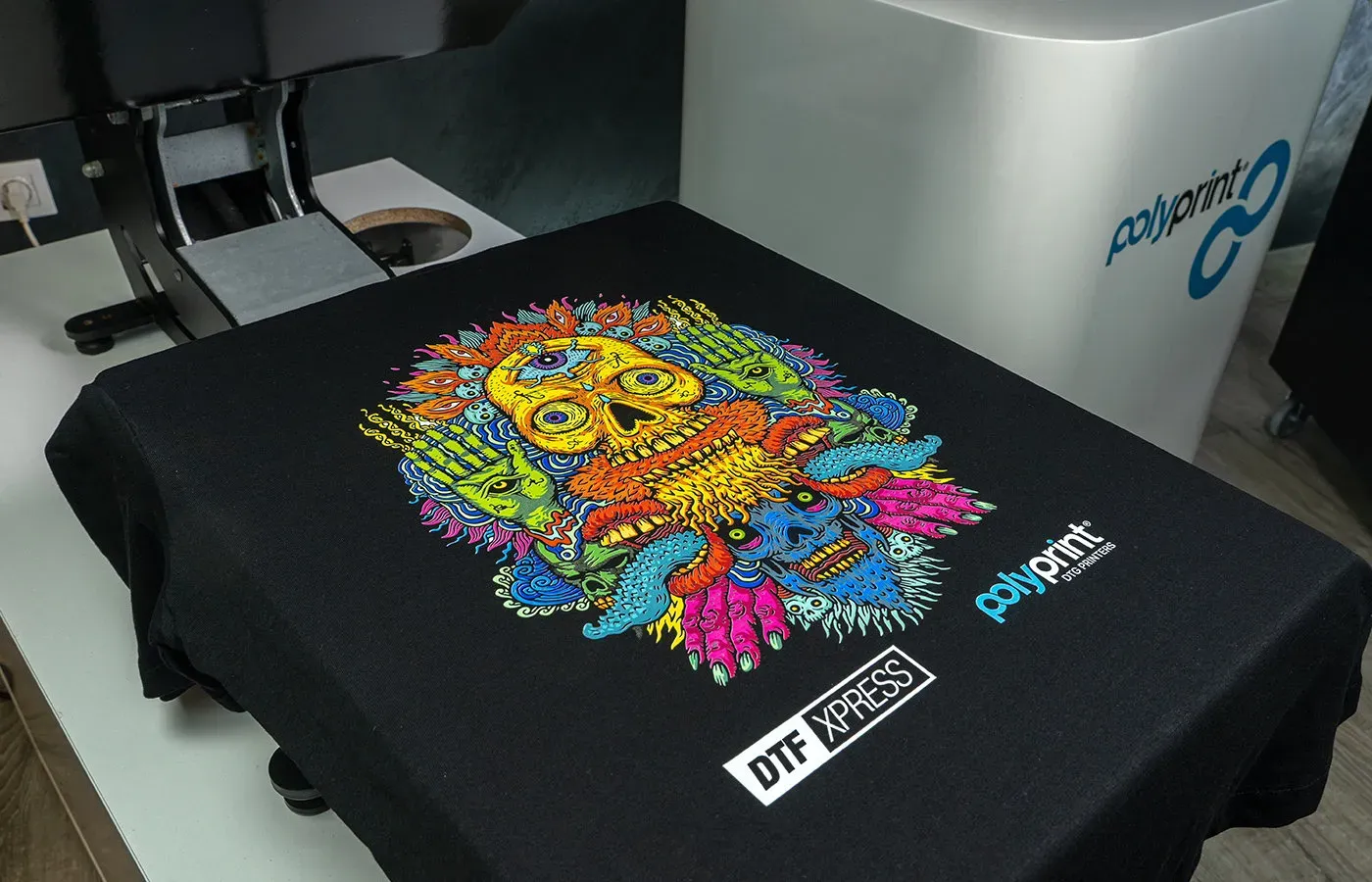
DTF printing, or Direct-to-Film printing, has taken the world of custom apparel by storm, offering vibrant and durable prints on fabrics with unparalleled efficiency. This modern technique utilizes a specialized printing process that transfers designs directly from a film onto various materials, making it an ideal choice for both hobbyists and professionals alike. With the right DTF supplies, including a quality DTF printer, DTF ink, and a reliable heat press for DTF applications, anyone can achieve exceptional results. Whether printing on cotton, polyester, or other textiles, DTF printing provides a unique opportunity to create stunning merchandise or personalized garments. As we dive deeper into this blog, we will unlock essential tips and must-have components that will ensure your success in this innovative printing method.
Also known as Direct-to-Film technology, this revolutionary printing method opens up a plethora of creative possibilities for customizing apparel. Unlike traditional printing techniques, which often require intricate setups and long lead times, DTF printing simplifies the process significantly. By employing a specialized film and a dedicated DTF printer, users can achieve high-quality prints with ease. This method caters to a variety of fabric types, from cotton to blends, and is designed to withstand the rigors of washing and wearing, making it perfect for merchandise production. In this article, we will explore the vital supplies and processes that underpin successful DTF applications, empowering you to take on custom print projects with confidence.
Understanding the Benefits of DTF Printing
DTF printing, or Direct-to-Film printing, stands out for its versatility, allowing for designs to be applied to various fabric types including cotton, polyester, and blends. Unlike traditional printing methods, which may require specialized setups or pretreatments, DTF simplifies the process, enabling quick and cost-effective production. This versatility also enhances the capacity for creativity, as it provides the tools necessary to create customized apparel that meets diverse client demands.
Another major advantage of DTF printing is durability. The prints produced are resilient against washing and wear, ensuring that vibrant designs remain intact throughout their lifecycle. This characteristic is particularly beneficial for businesses aiming to deliver high-quality products, as clients are more likely to return for future orders when they are satisfied with the longevity of their purchases. With the capacity for high-definition prints that resist cracking and fading, DTF printing is becoming the go-to choice for many apparel decorators.
Frequently Asked Questions
What is DTF printing and how does it work?
DTF printing, or Direct-to-Film printing, is a modern printing technology that allows vibrant designs to be printed onto a special PET film. This film is then heat-pressed onto fabrics, ensuring durable and high-quality prints on various materials, such as cotton and polyester.
What supplies do I need to start DTF printing?
To begin DTF printing, you will need several essential supplies: a DTF printer specially designed for this purpose, PET film to print onto, quality DTF ink for vibrant colors, adhesive powder to bond the design to the fabric, and a heat press for transferring the design.
How does a DTF printer differ from standard printers?
A DTF printer is specifically designed to work with DTF inks and prints directly onto PET film. Unlike standard inkjet printers, which may require modifications for DTF, dedicated DTF printers ensure better quality and consistency in print results.
What role does DTF ink play in the printing process?
DTF ink is crucial in the printing process as it creates the vibrant colors in your design. High-quality DTF inks, including a white ink layer for dark fabrics, enhance the overall appearance and durability of prints, ensuring they withstand washes without fading.
Can I use any heat press for DTF printing?
While you can technically use any heat press, it is essential to have a reliable heat press that can achieve the required temperature and pressure settings for DTF printing. This ensures even heat distribution for effective transfer of designs from the PET film to the fabric.
What are the advantages of using DTF printing?
DTF printing offers several advantages, including versatility to print on various fabric types, durability with prints resistant to cracking and fading, cost-effectiveness for smaller runs, and it eliminates the need for pre-treatment of fabrics, streamlining the printing process.
| Key Point | Details |
|---|---|
| What is DTF Printing? | DTF printing (Direct-to-Film) is a modern printing method that transfers designs onto fabrics using a special film and heat. |
| Essential Supplies | 1. DTF Printer 2. PET Film 3. DTF Ink 4. Adhesive Powder 5. Heat Press 6. Optional Curing Oven |
| Key Steps | 1. Design Creation 2. Printing 3. Powder Application 4. Curing 5. Heat Transfer 6. Peeling |
| Advantages | - Versatile for various fabrics - Durable against fading - Cost-effective for small runs - No pre-treatment required |
| Tips for Success | 1. Maintain equipment regularly 2. Test settings with scrap fabric 3. Invest in quality materials |
Summary
DTF printing is an innovative and efficient printing technique that has transformed the way we customize fabrics. This process allows for vibrant, lasting prints on a variety of materials with minimal setup, making it a go-to choice for both personal and commercial projects. By understanding the key supplies needed, the steps involved, and best practices, you can elevate your printing endeavors, ensuring high-quality outcomes every time. Embracing DTF printing opens the door to limitless creative possibilities in the world of apparel design.