
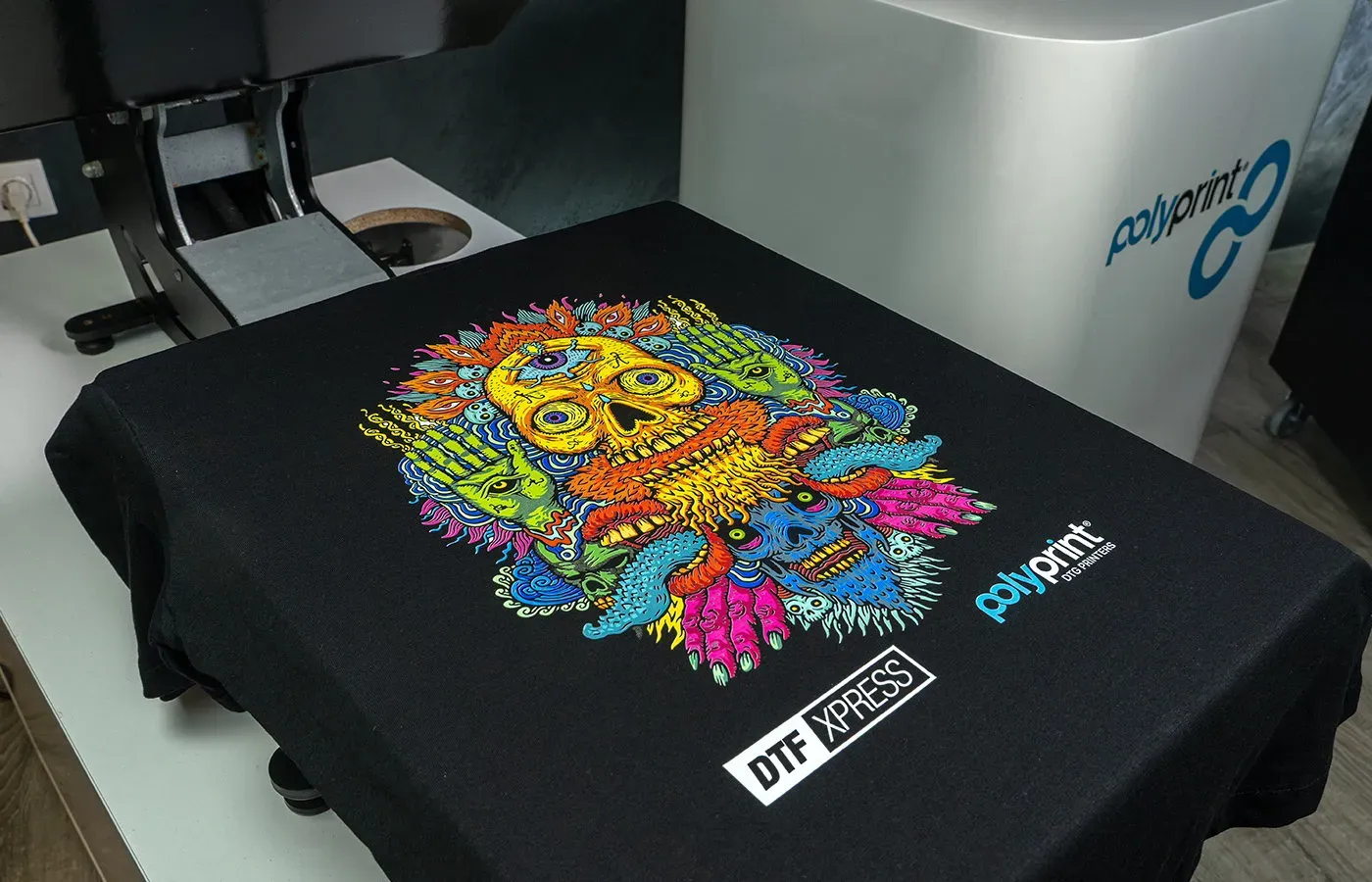
DTF printing, or Direct-to-Film printing, has swiftly established itself as a groundbreaking solution in the custom apparel printing landscape. This innovative method excels in producing vibrant designs across a broad spectrum of fabric types, making it indispensable for businesses aiming to meet diverse customer preferences. The technology promotes efficiency and exceptional print quality, setting a new standard within the ever-competitive textile printing market. With its allure of flexibility and sustainability, DTF printing advantages are compelling, especially as brands increasingly pursue eco-friendly practices and sustainable printing techniques. In this article, we’ll explore the nuances of DTF printing, highlighting its significance and potential in shaping the future of custom apparel.
Emerging as a frontrunner in the realm of fabric decoration, Direct-to-Film technology revolutionizes the way custom clothing is produced. This approach, often regarded as an alternative to traditional methods such as screen printing and Direct-to-Garment printing, harnesses the power of modern printing techniques to deliver stunning and durable designs. As interest in environment-friendly apparel continues to heighten, the advantages of DTF printing, alongside its role in the booming textile printing market, cannot be understated. The increasing overlap between creativity and technological advancement marks a pivotal moment for businesses and creators seeking to engage with contemporary consumers effectively. This guide will delve deeper into the mechanics of this innovative printing style and its potential impact on the custom apparel industry.
Understanding DTF Printing Technology
Direct-to-Film (DTF) printing technology revolutionizes the way designs are transferred onto various fabrics. Unlike traditional screen or direct-to-garment printing, DTF involves a unique process in which images are printed on a film and then heat pressed onto the fabric. This method allows for detailed designs and vibrant colors, making it especially appealing for custom apparel. The process not only accommodates a myriad of fabrics, including cotton and polyester blends, but also embraces advanced pigment inks that enhance color fidelity and saturation, ensuring that each piece of clothing stands out.
The versatility of DTF printing extends beyond fabric selection; it also allows for printing complex graphics that traditional methods struggle with. With flexibility in color choices and fabric types, businesses can cater to diverse customer needs while maintaining high standards of quality. Furthermore, as DTF technology evolves, innovations such as hot and cold peel methods improve efficiency and reduce the production time, which can significantly enhance a company's output while minimizing operational costs.
The Evolution of Custom Apparel Printing
The custom apparel printing industry has witnessed remarkable changes with the introduction of Direct-to-Film technology. As businesses and designers often required faster turnaround times and varied design capabilities, DTF printing emerged as a solution that meets these demands. Unlike earlier methods that limited design possibilities, DTF allows customizations without compromising quality. This revolution is supported by developments in digital textile printing, which predict notable growth in the coming years, emphasizing the continuing evolution of printing technologies in the fashion and apparel landscape.
Moreover, the shift towards sustainability within the custom apparel sector has propelled the adoption of DTF printing. Brands are seeking eco-friendly alternatives to traditional printing techniques that often produce higher waste outputs. DTF's efficiency not only promotes lower waste but also caters to on-demand production practices, aligning business models with contemporary consumer expectations for sustainability. As a result, entities within the textile printing market are increasingly focusing on adopting DTF technology to stay compliant with environmentally conscious trends.
Comparing DTF Printing to Other Methods
When comparing DTF printing to other common methods like screen printing or sublimation, its advantages quickly shine through. DTF technology offers unmatched versatility, enabling printing on a wide variety of surfaces, including those with different textures and blends of materials. While sublimation printing is excellent for polyester fabrics, it falls short when printing on cotton. On the other hand, DTF efficiently bridges this gap, offering intricate details and vibrant color combinations that increase its usability across various applications.
Additionally, the comparison highlights the cost-effectiveness of DTF printing. Businesses experience lower production costs attributed to reduced waste and simplified setup times. Unlike traditional screen printing, which often demands extensive resources and time for setup, DTF printing allows for a more direct approach to bring designs to life quickly. This efficiency translates into better margins for companies focusing on custom apparel, allowing them to cater to niche markets without sacrificing quality.
The Sustainable Future of DTF Printing
As the global focus on sustainability becomes more pronounced, DTF printing showcases its potential to lead the charge in eco-friendly practices. The technology's approach to waste reduction during production aligns perfectly with the goals of environmentally-aware businesses seeking to minimize their carbon footprint. By using less ink and materials compared to traditional methods, companies can reduce their environmental impact while still delivering high-quality products to their customers.
Moreover, DTF printing enables on-demand production, which significantly reduces overstock and waste — issues inherent in traditional printing techniques. As more businesses shift towards sustainable printing techniques, the flexibility of DTF technology will likely play a crucial role in the future of custom apparel. This trend toward sustainable practices not only enhances brand reputation but also ensures compliance with increasing regulatory demands surrounding environmental impact.
DTF Printing Advantages: Why Choose It?
One of the primary advantages of DTF printing is its broad compatibility with various fabrics, providing custom apparel manufacturers with the flexibility needed in today’s diverse market. Whether businesses are producing shirts, hats, or bags, DTF technology accommodates multiple fabric types, ensuring that quality is maintained regardless of material. The technology’s ability to create vivid and detailed prints elevates the overall product quality, drawing in customers looking for standout pieces.
Additionally, the financial benefits of adopting DTF printing cannot be overstated. The reduced costs associated with waste and the streamlining of production processes allow businesses to invest more resources into creativity and marketing. This economic efficiency provides an excellent return on investment, especially for small businesses or startups venturing into the custom apparel market. Ultimately, choosing DTF printing not only enhances design versatility but also bolsters profitability.
Embracing the Future of Custom Apparel with DTF Printing
As we look towards the future of custom apparel, DTF printing stands as an essential technology that businesses must embrace. With innovations poised to drive advancements in quality and efficiency, those who integrate DTF into their production processes can expect to lead their markets. This method's adaptability, especially in terms of colors and fabric compatibility, makes it the ideal solution for creating trendy and personalized apparel.
Furthermore, as consumer preferences evolve toward personalized and unique designs, DTF printing provides a pathway for brands to explore creative avenues. Companies can leverage recent developments, such as improved ink formulations and printing machinery, to push the boundaries of design possibilities. By adopting DTF printing, businesses can not only keep pace with industry changes but also establish themselves as leaders in the burgeoning realm of sustainable and innovative custom apparel.
Frequently Asked Questions
What are the main advantages of DTF printing for custom apparel?
DTF printing provides several advantages for custom apparel, including its compatibility with various fabrics such as cotton and polyester, which allows for a wider range of products. Another significant advantage is the vibrant color output made possible by advancements in Direct-to-Film technology, ensuring that designs are not only detailed but also visually striking. Additionally, DTF printing is cost-effective due to reduced waste and efficient production processes, making it an excellent choice for businesses aiming for higher profit margins.
How does DTF printing differ from traditional printing methods?
Unlike traditional printing methods like screen printing and Direct-to-Garment (DTG) printing, DTF printing uses a special film to transfer designs onto fabric. This method supports a broader variety of materials and allows for intricate designs with vibrant colors. In comparison, traditional methods are often limited in terms of fabric compatibility and design complexity, making DTF a versatile and appealing option in the textile printing market.
What recent advancements have been made in DTF printing technology?
Recent advancements in DTF printing, particularly by companies like DuPont, include the introduction of innovative pigment inks that expand the color palette, including new shades like orange and green. The launch of the Artistri DTF-120 film offers optimized performance for both hot and cold-peel methods, enhancing the capability of custom apparel production. Additionally, brands like Brother have unveiled new machinery designed to streamline DTF processes, making it faster and more efficient.
Is DTF printing considered a sustainable option in modern printing techniques?
Yes, DTF printing is considered a sustainable option due to its lower waste output compared to conventional printing methods. The technology supports on-demand printing, which means that only the required designs are printed, reducing excess material waste. As businesses move towards implementing sustainable printing techniques, DTF's efficiency and environmental considerations make it a responsible choice in the textile printing market.
What types of fabrics can be used with DTF printing?
DTF printing is remarkably versatile, allowing for printing on a range of fabrics, including cotton, polyester, and fabric blends. This compatibility makes DTF an excellent option for creators and businesses looking to produce custom apparel that caters to diverse customer preferences. Whether for high-performance sportswear or casual clothing, DTF technology can deliver quality prints across various materials.
Where can I find resources to learn more about DTF printing?
There are numerous resources available for those interested in learning about DTF printing. Websites, video tutorials, and beginner guides are increasingly becoming available to help newcomers understand the technology's principles, processes, and potential applications. Engaging with educational content from printing companies and industry experts can provide valuable insights into maximizing the benefits of DTF printing for custom apparel.
| Key Points | Details |
|---|---|
| Definition | DTF printing is a process that uses a special film to transfer designs to fabric with heat and pressure. |
| Versatility | Compatible with a range of fabrics such as cotton, polyester, and blends. |
| Recent Developments | Innovations from DuPont, including new inks and films, enhancing customization. |
| Market Trends | Forecasted growth in digital textile printing highlighting sustainable practices. |
| Company Innovations | Companies like Brother are enhancing DTF capabilities with new machinery. |
| Quality and Cost | DTF printing offers cost-effectiveness and high-quality outputs, suitable for mass production. |
Summary
DTF printing is revolutionizing the world of custom apparel by offering an innovative and efficient printing solution. As this technology continues to advance, it provides businesses and individuals with the ability to create stunning, vibrant designs on a variety of fabrics. The recent developments in DTF technology, including advancements from leading companies, position it as a competitive choice for sustainable and customizable apparel production. With its versatility, cost-effectiveness, and superior quality, DTF printing is set to shape the future of the textile industry, catering to the evolving needs of consumers and creators alike.