
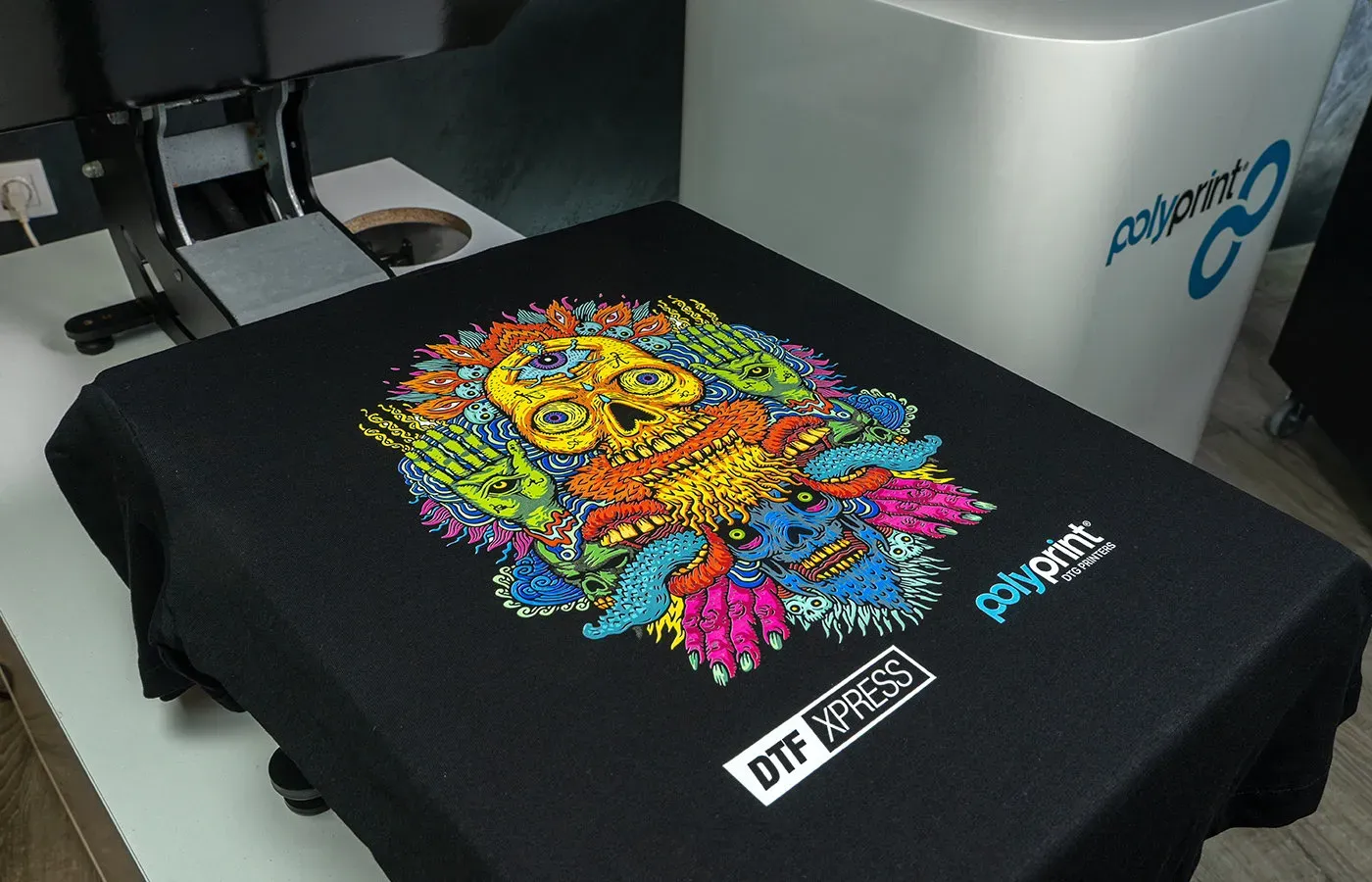
DTF printing, or Direct-to-Film printing, is rapidly transforming the landscape of the printing industry. As a groundbreaking technology, DTF printing allows for vibrant and high-resolution designs to be printed on various textiles with remarkable efficiency. Not only does it streamline the production process, making it more cost-effective for businesses, but it also supports sustainable printing practices by utilizing eco-friendly inks. With the rise of custom printing solutions, DTF supplies are becoming essential for brands looking to meet consumer demand for personalized products. This innovative approach is not just a trend; it represents a significant shift towards more adaptable and forward-thinking printing technologies.
In the realm of textile production, Direct-to-Film (DTF) techniques are paving the way for a new era of printing solutions. Often referred to as the next generation of printing technology, DTF offers incredible versatility and precision, allowing for intricate designs to be transferred onto fabric easily. This method is gaining traction due to its efficiency and ability to minimize waste, aligning with the growing emphasis on sustainable practices within the printing sector. As businesses increasingly seek custom printing options to engage consumers, DTF's capabilities provide a competitive edge that traditional methods cannot match. Thus, the future of printing is bright and full of possibilities with the adoption of DTF technologies.
Understanding Direct-to-Film (DTF) Printing Technology
Direct-to-Film (DTF) printing technology has revolutionized the way businesses approach fabric printing, providing a unique alternative to traditional methods. Unlike conventional processes, DTF printing involves printing directly onto a film which is then transferred to the fabric, resulting in crisp, high-resolution images. This technique not only allows for vibrant colors but also ensures durability and washability, appealing to a variety of markets. With the ability to cater to complex designs and custom orders, DTF has quickly become a preferred choice for businesses looking to enhance their offerings.
The mechanics of DTF printing involve utilizing specialized inks that adhere seamlessly to different types of fabrics, including cotton, polyester, and blends. This versatility opens doors for diverse applications, from personalized t-shirts to promotional merchandise. The efficiency and speed associated with DTF processes are also noteworthy; businesses can quickly switch designs and adjust production in real-time to meet consumer demands, which is crucial in today’s fast-paced market. As DTF technology continues to evolve, it is likely to further dominate the printing landscape.
Key Advantages of Using DTF Supplies
DTF supplies represent a significant advancement in the printing world, primarily because they enhance production efficiency. With these high-quality materials, including DTF films and inks, businesses can expect faster turnaround times without compromising on quality. This efficiency allows even small enterprises to meet urgent demand without the risk of significant setup costs typically associated with screen printing or other methods. As more businesses adopt DTF printing supplies, they can compete at a higher level in terms of both speed and precision.
Moreover, DTF supplies facilitate a reduction in material waste compared to traditional methods. The water-based inks used in DTF printing are not only environmentally friendly but also reduce ink consumption, promoting a more sustainable approach to printing. By leveraging these supplies, companies can present themselves as eco-conscious, appealing to the growing demographic of consumers who prioritize sustainability. This shift not only fosters customer loyalty but also contributes positively to the printing industry’s impact on the environment.
The Versatility of DTF Printing Solutions
DTF printing solutions stand out due to their remarkable versatility, offering businesses the ability to print on a wide range of substrates. From apparel to home decor items, DTF technology can accommodate different fabrics and textures, making it an ideal choice for diverse product lines. This capability allows businesses to expand their offerings and cater to various market segments, enhancing customer satisfaction through personalization and unique designs.
Furthermore, the adaptability of DTF printing extends to the quality of prints produced. The high-resolution capabilities ensure that intricate details are not lost, which is crucial for brands that rely on detailed artwork or photographs. As consumer preferences shift towards customized products, the ability to create one-of-a-kind designs using DTF printing solutions provides a competitive edge in the market. By offering tailored printing solutions, businesses can carve out niches and strengthen their market position.
The Environmental Benefits of DTF Printing
In a world increasingly focused on sustainability, DTF printing technology offers significant environmental benefits. Utilizing water-based inks and reducing overall material waste makes DTF an attractive option for eco-conscious brands. By minimizing harmful emissions associated with traditional printing methods, businesses that adopt DTF technology contribute to a cleaner planet and appeal to consumers who are actively seeking out sustainable options.
Additionally, the efficiency of DTF printing translates into a more resource-conscious production process. Businesses can reduce their overall ink consumption while still achieving vibrant, high-quality designs. This not only represents a cost-saving measure but also underscores the importance of responsible manufacturing practices in the printing industry. As sustainability becomes a core value for many brands, DTF printing paves the way for a greener future in custom printing solutions.
Market Trends and Growth Projections for DTF Printing
The DTF printing market is experiencing remarkable growth, as evidenced by current market trends. In 2023, the market was valued at an impressive $390 million, with projections suggesting it could double by 2030. This growth is fueled by the rising demand for custom apparel and personalized goods among consumers. As e-commerce continues to thrive, the potential for DTF technology to cater effectively to these market demands positions it as a primary printing method moving forward.
Businesses looking to capitalize on this growth must stay attuned to emerging trends within the DTF market. The rapid expansion offers opportunities not only for established companies but also for innovators entering the field. By leveraging DTF technology to produce unique, customized products, businesses can differentiate themselves, attract new customers, and ultimately contribute to the overall success of the printing industry in a competitive landscape.
The Role of Technology in Advancing DTF Printing
Technological advancements play a crucial role in the ongoing evolution of DTF printing processes, significantly impacting efficiency and quality. The introduction of higher resolution printers and improved software solutions allows for intricate designs to be printed with greater accuracy. This technological progress not only enhances the quality of the final product but also streamlines operations, enabling businesses to fulfill orders more efficiently and rapidly.
Moreover, innovation in DTF printer models has led to the development of machines that can handle larger print areas and offer faster processing speeds. These enhancements are essential in meeting the needs of a growing market that demands customization and quick turnaround times. As technology continues to unfold, businesses that embrace these advancements in DTF printing will likely find themselves at the forefront of the industry, equipped to thrive in a competitive landscape.
Frequently Asked Questions
What is DTF printing and how does it work?
DTF printing, or Direct-to-Film printing, is a modern printing technology that involves transferring designs onto films and then applying them onto various materials like fabric. This method allows for high-quality prints with vibrant colors and intricate details, making it ideal for custom printing solutions.
What are the key advantages of using DTF supplies in printing?
DTF supplies enhance printing efficiency and quality. They reduce ink consumption and production time compared to traditional methods, allowing businesses to offer a wider range of products while being cost-effective. Additionally, DTF printing supports sustainable printing practices by using water-based inks.
Can DTF printing be used on multiple materials?
Yes, one of the main benefits of DTF printing is its versatility. It can print on various fabrics including cotton, polyester, and blends, making it suitable for custom apparel, promotional items, and more. This flexibility helps businesses cater to diverse customer needs.
How is DTF printing different from DTG printing?
DTF printing differs from Direct-to-Garment (DTG) printing in its approach. While DTG applies ink directly onto the garment, DTF printing transfers ink from a film to the material. DTF typically offers quicker production times and is more efficient for small to medium batch sizes.
What role does sustainability play in DTF printing?
Sustainability in DTF printing is characterized by the use of water-based inks and reduced ink consumption. This technology helps businesses align with environmentally friendly practices, catering to the growing consumer demand for sustainable printing solutions.
What trends are shaping the future of the DTF printing market?
The DTF printing market is experiencing rapid growth driven by increasing demand for customized apparel and advancements in printing technology. With a projected compound annual growth rate (CAGR) exceeding 10%, businesses adopting DTF solutions can seize new market opportunities and improve customer experiences.
| Key Points | Details |
|---|---|
| Introduction | DTF printing is revolutionizing the textile printing industry by combining quality, lower costs, and faster production times. |
| Efficiency and Cost-Effectiveness | DTF printing offers quicker production and lower overheads, allowing small businesses to compete effectively. |
| Quality and Versatility | Delivers vibrant prints on various materials like cotton and polyester, enhancing product ranges and personalization opportunities. |
| Market Growth | The DTF market is projected to grow from $390 million in 2023 to $773 million by 2030, reflecting increased demand for customized products. |
| Sustainability | Utilizes water-based inks and reduces waste, aligning with eco-friendly consumer preferences and practices. |
| Technological Advancements | Improvements in printer capabilities lead to higher resolution and efficiency, enabling broader application and product quality. |
| Customization and Small-Batch Production | DTF printing's ability to produce small batches meets consumer demand for personalized products, enhancing brand loyalty. |
Summary
DTF Printing is reshaping the landscape of the printing industry, offering compelling benefits such as efficiency, quality, sustainability, and rapid market growth. This innovative approach caters to an increasing consumer demand for customization and personalization, allowing businesses—from startups to established enterprises—to adapt effectively. By embracing DTF technology, companies not only enhance their operational efficiency but also secure a competitive edge in a dynamic market. As we look towards the future, DTF printing stands out as a pivotal force in transforming traditional printing practices into sustainable and versatile solutions.