
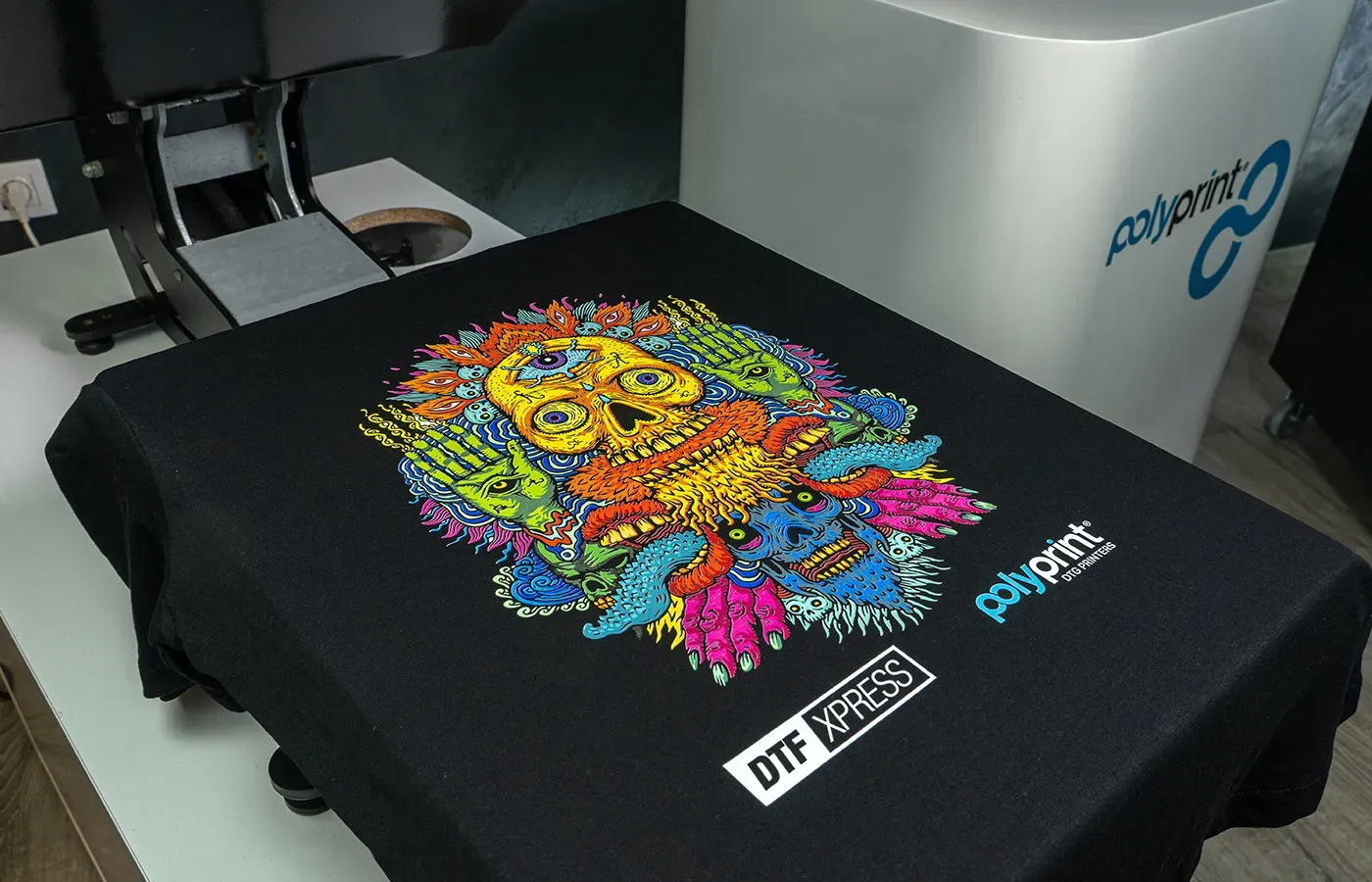
DTF printing, or Direct-to-Film printing, is revolutionizing the textile printing industry with its innovative approach to design transfer. This cutting-edge method combines the precision of digital textile printing with the versatility and efficiency that modern businesses require. The advantages of DTF technology are compelling, offering vibrant colors and intricate details while minimizing waste through sustainable printing methods. As companies increasingly recognize the future of printing lies within optimized, cost-effective solutions, DTF printing emerges as a frontrunner. By blending effectiveness with sustainability, DTF printing not only meets commercial demands but also aligns with the industry's shift towards environmentally-conscious practices.
Within the realm of textile production, advanced film-based printing techniques are gaining prominence, with Direct-to-Film (DTF) processes leading the charge. This method allows for the direct application of designs onto special films, which are then transferred onto various fabrics, enhancing the quality and detail of prints. Alternative terms such as film transfer printing and direct film printing are often associated with this state-of-the-art technology, which emphasizes the significant shift towards digital textile production. As businesses navigate the evolving landscape of apparel and merchandise, these innovative practices prove pivotal in meeting consumer demands while promoting sustainability in printing. The focus on DTF printing reflects the industry's commitment to not just innovation but responsible manufacturing practices that cater to future market trends.
Understanding DTF Printing Technology
Direct-to-Film (DTF) printing is revolutionizing the textile printing industry by enabling the spectacular application of vibrant designs onto various fabric types. This innovative technology operates by printing high-quality images directly onto a specialized film using advanced printers. Once printed, this film is then heat-pressed onto the desired fabric, allowing for exceptional detail and color fidelity. Unlike traditional methods, DTF printing provides the flexibility to work with a broad range of materials, empowering businesses to expand their product portfolios and attract diverse customer bases.
The mechanism of DTF printing integrates seamlessly with modern production demands, emphasizing efficiency and waste reduction. Notably, it adapts easily to both small-scale and large-scale production, which is essential for manufacturers looking to remain competitive in a fast-paced market. As the demand for customization continues to rise, understanding DTF technology becomes crucial for anyone involved in textile production.
Frequently Asked Questions
What are the key advantages of DTF printing in textile printing?
DTF printing offers several key advantages in textile printing, including its versatility across various fabric types, exceptional color vibrancy and detail, cost-effectiveness due to reduced material waste, and sustainability by using less water and chemicals. These benefits make DTF printing an appealing choice for businesses looking to enhance their product offerings.
How does DTF printing compare to traditional textile printing methods?
Compared to traditional methods like screen printing and DTG printing, DTF printing stands out due to its ability to print on a wider range of materials, its lower production costs, and the high quality of output. The technology’s efficiency and capability to produce intricate designs have made it a preferred choice among modern textile businesses.
Why is sustainability important in DTF printing?
Sustainability in DTF printing is crucial because it utilizes less water and chemicals compared to conventional methods, thus minimizing environmental impact. The on-demand printing capability of DTF technology also reduces waste, making it a more sustainable choice for textile manufacturing in a world increasingly focused on eco-friendly practices.
What role does technology play in the advancement of DTF printing?
Technology plays a pivotal role in the advancement of DTF printing by introducing innovations such as UV DTF systems, which enhance usability and output quality. Continuous investment in DTF-related technology has resulted in faster production times and improved efficiency, enabling businesses to meet evolving market demands.
How has DTF printing impacted the fashion and apparel industry?
DTF printing has significantly impacted the fashion and apparel industry by offering brands the ability to produce high-quality, customizable designs quickly and cost-effectively. This technology allows businesses to cater to consumer preferences for unique, personalized apparel, and has facilitated the growth of on-demand printing models in retail.
What does the future hold for DTF printing in the textile industry?
The future of DTF printing in the textile industry looks promising, with expected growth driven by technological advancements, a focus on sustainability, and increasing market demand for high-quality, customizable products. As more companies adopt DTF technology, it is set to become a mainstay in textile printing, reshaping how products are designed and manufactured.
| Feature | Description |
|---|---|
| Versatility in Material Use | DTF printing can be used on various substrates including cotton and polyester, providing flexibility for businesses. |
| High-Quality Output | Enables vibrant colors and fine details; long-lasting and resistant to fading after washes. |
| Cost-Effectiveness | Requires fewer resources and materials than traditional methods, streamlining inventory and reducing costs. |
| Innovation and Technology | Advancements like Mimaki's UV DTF technology enhance usability and create opportunities for designers. |
| Sustainability | Uses less water and fewer chemicals, contributing to a more sustainable production process. |
Summary
DTF Printing is emerging as a crucial technology in the textile printing industry, uniquely positioned to meet the demands of modern consumers and businesses. Its remarkable versatility allows printing on a variety of fabrics, ensuring high-quality, vivid designs that last and remain consistent over time. With an eye on cost-effectiveness, DTF Printing reduces waste and lowers production costs, making it more sustainable compared to traditional methods. As advancements continue to enhance usability and creativity, DTF Printing is not only reshaping the market landscape but also paving the way for innovative future possibilities in textile manufacturing.