
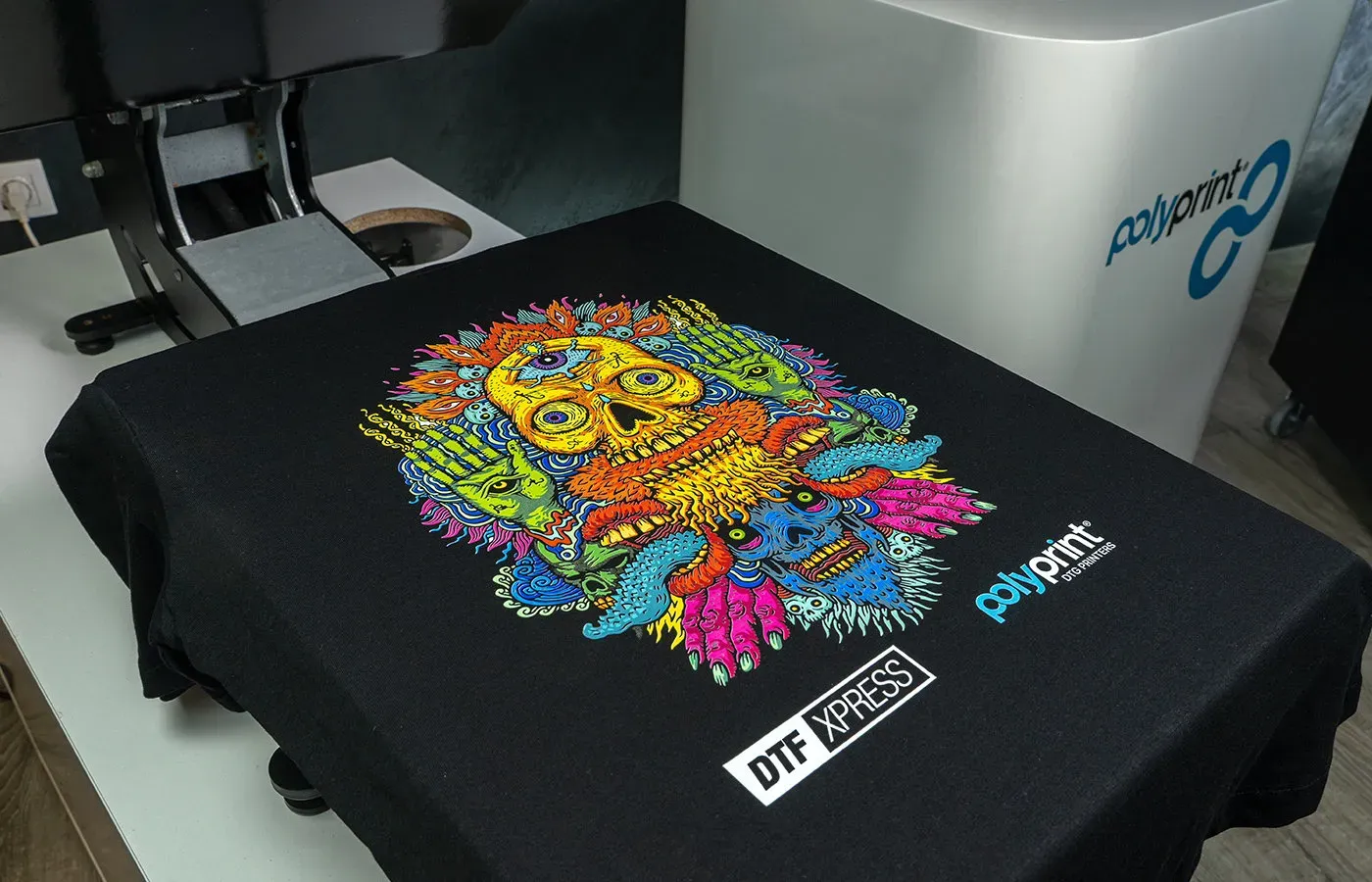
DTF printing, or Direct to Film printing, has revolutionized the way we approach custom apparel and fabric graphics. This innovative technique employs high-quality DTF inks and special coated films to create vibrant, long-lasting transfers that cater to both small businesses and large-scale operations. As the demand for customized textiles grows, mastering DTF printing becomes essential, leading many enthusiasts to seek effective DTF printing tips and advanced transfer techniques. Engaging in the DTF printing process not only enhances creativity but also allows print professionals to produce stunning results that leave a lasting impression. Whether you're a hobbyist or a business owner, understanding DTF printing can elevate your projects to new heights.
The world of digital fabric printing has seen a remarkable shift with the rise of Direct to Film technology, often referred to simply as DTF. This method is gaining traction among designers and printers alike due to its versatility and effectiveness in achieving intricate patterns on fabric substrates. Other terms associated with this innovative printing approach include fabric transfer printing and digital film applications, which emphasize the technique's ability to deliver high-quality, detailed products. The growing interest in mastering DTF processes reflects a larger trend towards personalized textile designs, being supported by the development of advanced inks and film types. With each passing day, more resources become available, helping to further enhance the skills and knowledge required for successful implementation of this exciting printing method.
Understanding the DTF Printing Process
The DTF printing process, or Direct to Film printing process, involves a unique approach to creating high-quality fabric transfers. It begins with printing designs directly onto a specially coated film with high-quality DTF inks. These inks are designed to adhere well to the film surface and, once the design is printed, an adhesive powder is applied to the film while the ink is still wet. This powder binds to the ink to create a solid layer, ensuring the transfer adheres well to the final fabric.
After the transfer from film to fabric, the printed design undergoes a heat press application, which activates the adhesive, securing it permanently to the fabric. This process is essential for achieving vibrant colors and long-lasting durability. The integration of precise control over temperature and pressure during the heat press phase plays a critical role in the overall effectiveness of the DTF printing procedure.
Tips for Choosing High-Quality DTF Inks
Choosing high-quality DTF inks is crucial for success in the Direct to Film printing industry. Utilizing inks from reputable manufacturers such as **Epson** or **DuPont** ensures vibrant colors and excellent transfer qualities. High-quality inks typically offer improved durability and resistance to fading, making them perfect for fabric applications where longevity is key. Furthermore, these inks are formulated to work seamlessly with DTF printing processes, enhancing overall print output.
In addition to the brand, it's important to consider the ink's compatibility with your specific printer setup, as this can affect print fidelity and performance. Testing different ink types can provide insights into which works best with your designs and fabric types, leading to enhanced quality in finished products.
Effective DTF Transfer Techniques for Better Results
Implementing effective DTF transfer techniques plays a pivotal role in the accuracy and appearance of prints. One of the fundamental techniques involves applying the adhesive powder uniformly on the printed film, which ensures a strong bond during the transfer process. Insufficiently applied powder can lead to peeling or flaking after the initial washes, which diminishes the quality of the final product.
Furthermore, monitoring the specific heat press settings is essential for optimal transfer. The right combination of temperature and timing not only secures the design to the fabric but also influences the overall appearance and durability of the print. Experimenting with these techniques can significantly improve outcomes, giving you crisp lines and vibrant colors that can truly stand out.
Optimizing Printer Settings for DTF Printing
Optimizing printer settings is crucial for achieving high-quality results in DTF printing. Set the printer resolution to utilize a higher DPI (dots per inch), typically between 300-600, to capture intricate details and ensure that the designs are sharp and vibrant. This adjustment not only enhances print clarity but also helps in producing richer colors that can be critical in fashion apparel.
Additionally, calibrating color profiles for your specific printer type ensures consistent output results across different print jobs. This step can significantly impact color accuracy, allowing your designs to display true colors as intended. Regularly maintaining your printer and performing these optimizations can lead to a noticeable improvement in the quality of your DTF prints.
Post-Printing Care for DTF Transfers
After completing the DTF printing process, it's vital to consider post-printing care to maintain the quality of the transfers. Proper washing instructions, such as using cold water and avoiding bleach, should be strictly followed to prevent fading and deterioration of the prints. This is particularly important for garments intended for retail, where maintaining the integrity of the design is crucial.
Moreover, advising customers on how to care for their DTF-printed items can help ensure that designs remain vibrant over time. Consider creating care tags that outline these instructions clearly, as this not only enhances customer satisfaction but also reinforces the quality of your DTF printing services.
Emerging Trends in DTF Printing Technologies
The landscape of DTF printing is continuously evolving, with emerging technologies promising to enhance efficiency and output quality. Recent advancements feature new printers that incorporate eco-friendly inks, which cater to environmentally conscious consumers and businesses. These innovative printers significantly reduce operational costs while maintaining high standards of print quality, which is becoming increasingly important in a competitive market.
Additionally, the proliferation of online resources and training modules is enabling both novices and seasoned printers to stay updated on the latest techniques and best practices. Platforms like YouTube and specialized forums provide access to tutorials that cover everything from basic setup to troubleshooting printing challenges, making it easier for individuals to master the intricacies of DTF printing.
Frequently Asked Questions
What is DTF printing and how does the DTF printing process work?
DTF printing, or Direct to Film printing, involves printing designs onto a special film using high-quality DTF inks. The process begins by printing the artwork onto a coated PET film, followed by applying an adhesive powder. The film is then heated to activate the adhesive, which allows it to adhere to various fabrics during the transfer phase using a heat press, creating vibrant and durable prints.
What are some essential DTF printing tips for achieving high-quality transfers?
To ensure high-quality transfers in DTF printing, start with high-quality DTF inks, select the right film, and optimize printer settings for resolution and color accuracy. Additionally, evenly apply adhesive powder, pre-treat fabrics as necessary, use correct heat press techniques, and follow post-printing care instructions to maintain print integrity.
Which high-quality DTF inks are recommended for professional DTF printing?
For professional DTF printing, high-quality DTF inks from trusted brands like Epson and DuPont are highly recommended. These inks provide vibrant colors, excellent adhesion, and durability, which are crucial for creating impressive prints on various substrates.
What are the best DTF transfer techniques for ensuring durable and vibrant prints?
Optimal DTF transfer techniques include proper heat press settings (usually between 250°F and 320°F), uniform application of adhesive powder, and allowing sufficient cooling time before peeling the film. Additionally, pre-treating certain fabrics can enhance print durability and vibrancy.
How do I optimize my printer settings for DTF printing?
To optimize printer settings for DTF printing, select a higher DPI (300-600) for better detail, calibrate color profiles for accuracy, and ensure that the printer is compatible with high-quality DTF inks. Correct settings are vital for achieving the best print quality and color consistency.
What are the common troubleshooting tips for DTF printing challenges?
Common troubleshooting tips for DTF printing include checking printer settings, ensuring proper calibration, verifying ink and film quality, and closely monitoring the heat press settings. If prints are not adhering well, reassess the adhesive application and fabric preparation processes to identify potential improvements.
| Key Aspect | Details |
|---|---|
| Overview | DTF printing is a popular method for high-quality fabric transfers. |
| High-Quality Inks | Use inks from trusted brands like Epson and DuPont. |
| Printer Settings | Optimize settings with a higher DPI (300-600) for better detail and color accuracy. |
| Adhesive Powder | Even application of adhesive powder is critical for strong transfers. |
| Fabrics Pre-treatment | Pre-treat fabrics for better adhesion and to enhance print durability. |
| Heat Press Techniques | Maintain proper temperature (250°F - 320°F) and pressure for effective transfers. |
| Post-Printing Care | Wash in cold water and avoid bleach to maintain print quality. |
Summary
DTF printing is a revolutionary technique that allows for exceptional quality transfers on various fabrics. Understanding the nuances of this process—such as the importance of high-quality inks, optimal printer settings, and careful application of adhesive—is crucial for achieving vibrant, long-lasting prints. As the technology evolves, new enhancements continue to improve the efficiency and output quality of DTF printing, making it an indispensable tool for both small businesses and large operations in the fashion industry. With the right knowledge and techniques, anyone can master the art of DTF printing and elevate their custom printing projects.