
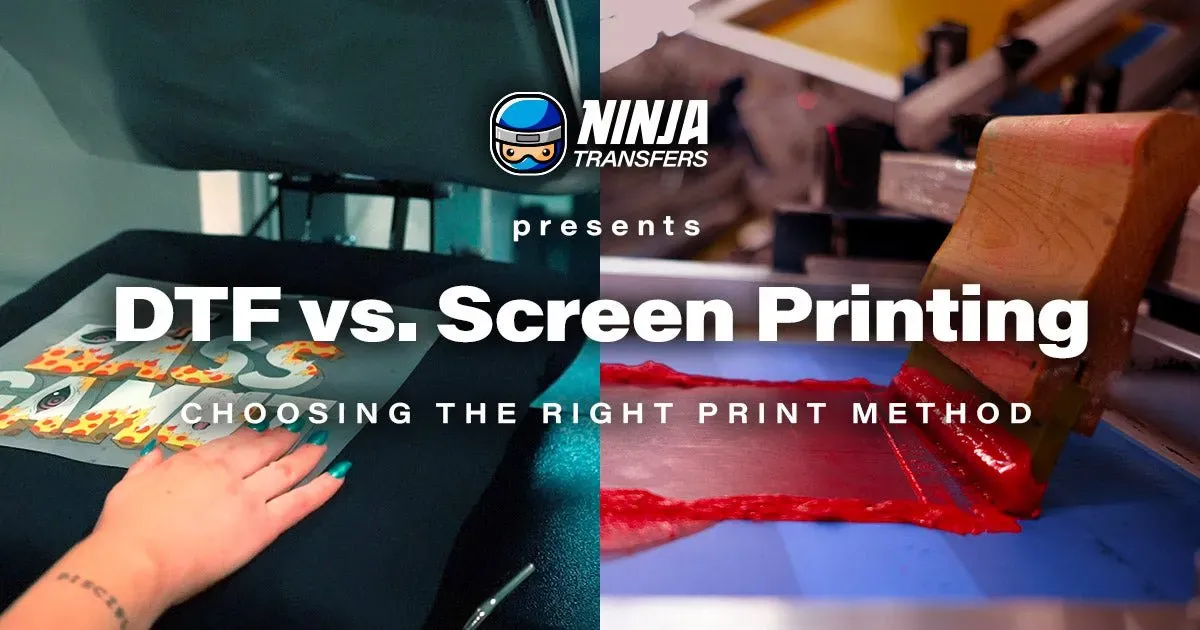
When it comes to garment decoration, the ongoing debate of DTF Transfers vs. Screen Printing captures the attention of businesses and enthusiasts alike. Both methods offer unique advantages that cater to different printing needs, yet they represent distinct approaches in the realm of fabric printing methods. As you delve into the world of printing techniques, understanding the fundamental differences in cost, durability, and design versatility is essential. This exploration will illuminate the critical elements that separate DTF transfers from traditional screen printing, enabling you to make an informed choice tailored to your printing requirements. With the increasing demand for high-quality prints and efficient production processes, choosing between screen printing vs DTF has become a pivotal factor for many companies.
In the competitive landscape of textile printing, distinguishing between direct-to-film (DTF) printing and traditional screen press techniques is increasingly important for brands. Both approaches to fabric embellishment have their unique strengths and weaknesses, appealing to varied audiences seeking high-quality outputs. As businesses evaluate their options, the cost considerations and speed of production play significant roles in determining the most suitable method. This discussion goes beyond just the basic mechanics of garment decoration, exploring how each printing method aligns with modern demands for design flexibility and eco-friendliness. By understanding these alternative terms and their implications, you can better navigate the choices in this dynamic industry.
Understanding DTF Transfers: An Overview
Direct to Film (DTF) transfers have revolutionized the garment decoration arena with their ability to deliver high-quality prints efficiently. Unlike traditional screen printing, which requires multiple screens for each color used in a design, DTF technology allows for a quick and straightforward transfer of designs directly onto fabric. This printing technique utilizes a special ink that is printed onto a film and then transferred onto the garment using heat, which makes it particularly suitable for small runs and intricate designs that would be cumbersome to produce with screen printing.
In terms of application, DTF transfers are versatile, being compatible with various fabric types, including cotton, polyester, and blends. This flexibility is a significant advantage over screen printing, which often faces limitations in fabric compatibility. Consequently, DTF is increasingly chosen for projects requiring fine details and vibrant colors, as the prints maintain their integrity and softness even after washing, making them an attractive option for businesses focused on high-quality garment decoration.
Frequently Asked Questions
What are the main differences between DTF transfers vs. screen printing?
DTF transfers and screen printing differ primarily in their application processes and material compatibility. Screen printing uses stencils to apply layers of ink directly onto fabric, making it ideal for larger runs and simpler designs. In contrast, DTF transfers print designs onto a special film that is then heat-pressed onto the fabric, allowing for intricate designs and vibrant colors on a variety of materials.
Are DTF transfers more cost-efficient than screen printing for small orders?
Yes, DTF transfers are generally more cost-efficient than screen printing for small to medium-sized orders. Screen printing incurs higher initial setup costs due to screen preparation, making it less economical for smaller runs. DTF transfers require less upfront investment, making them a viable option for businesses needing flexibility in their fabric printing methods.
How does the quality of DTF transfers compare to screen printing?
The quality of DTF transfers can rival that of screen printing, particularly for detailed designs. DTF technology has evolved to produce soft, high-resolution prints with vibrant colors. While screen printing is known for its durability and vivid output, DTF's recent improvements make it a competitive alternative, especially for intricate graphics.
What is the production speed difference between DTF transfers and screen printing?
DTF transfers provide faster production speeds for on-demand printing compared to screen printing, which is more suitable for batch production. While screen printing can efficiently produce large quantities once set up, DTF is ideal for quick turnarounds on custom orders, allowing businesses to respond promptly to market trends.
Which method offers better design versatility: DTF transfers or screen printing?
DTF transfers offer greater design versatility than screen printing. They can easily accommodate complex designs with multiple colors without significant cost increases. Additionally, DTF transfers can be applied to a wider range of fabrics, including polyester and cotton blends, making them adaptable for various garment decoration needs.
What are the environmental impacts of DTF transfers vs. screen printing?
DTF transfers may be more environmentally friendly than traditional screen printing, as some DTF processes utilize water-based inks which are less harmful than the plastisol inks often used in screen printing. Brands concerned about sustainability should consider the types of inks used in either method when making a decision on their fabric printing techniques.
| Feature | Screen Printing | DTF Transfers |
|---|---|---|
| Quality and Durability | Highly durable with vibrant output; ideal for bulk orders. | Soft feel with high definition; good for intricate designs. |
| Cost Efficiency | Higher initial setup costs, but cost-efficient for large volumes. | Lower initial costs, better for small runs; offset costs through flexibility. |
| Production Speed | Efficient for bulk production but slower for smaller batches. | Excellent for on-demand printing with quick turnaround. |
| Versatility | Best on cotton and blends, limited design complexity. | Can handle multiple fabrics and complex designs effectively. |
| Environmental Considerations | Traditionally uses plastisol inks, eco-friendly options are emerging. | Utilizes water-based inks, generally more sustainable. |
Summary
DTF Transfers vs. Screen Printing is a crucial decision for businesses aiming for effective garment decoration. Both methods boast unique advantages: Screen Printing is well-known for its durability and vibrancy, especially in bulk orders, while DTF Transfers offer superior flexibility and intricate detail at competitive costs. Understanding these differences allows businesses to choose the method that aligns best with their production needs, budget, and design preferences. In the end, recognizing that each technique has its own strengths enables brands to tailor their approach to meet modern market demands, ensuring high-quality printed garments that stand out.