
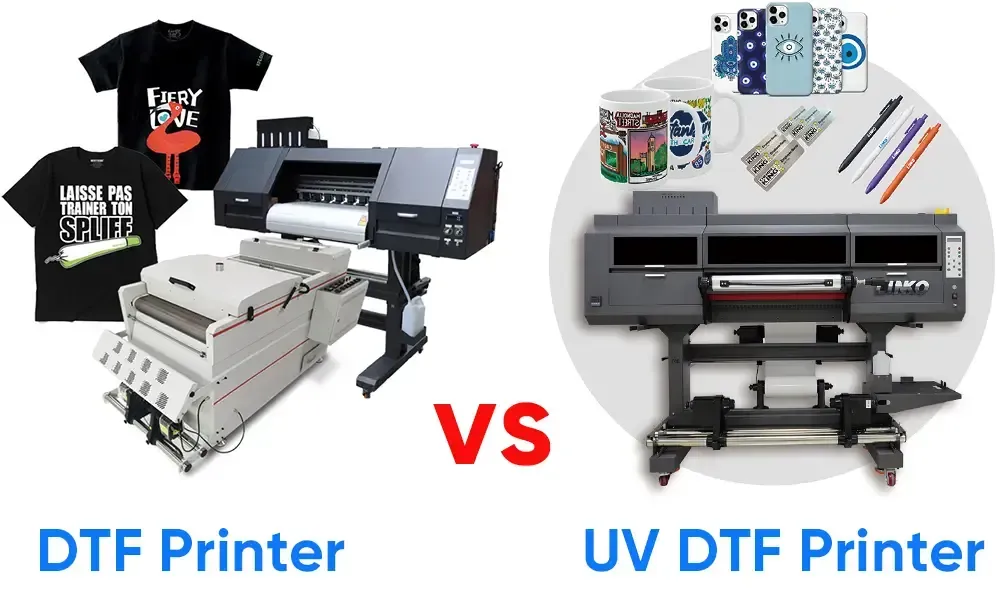
UV DTF, or Ultra Violet Direct to Film printing, is revolutionizing the printing industry with its ability to deliver stunning, vibrant designs across various surfaces. This innovative printing technology harnesses ultraviolet light to instantly cure inks on special films, making the prints not only visually striking but also highly durable. For anyone curious about getting started with UV DTF printing, there are numerous beginner tips and insights to ensure a smooth entry into this exciting field. From mastering the curing process to selecting the right materials, understanding the fundamentals of UV DTF will set you on the path to success. In this article, we aim to equip you with essential knowledge and strategies that will enhance your UV printing journey.
Often referred to as UV printing technology or DTF printing, UV DTF is an emerging method that promises high-quality output and versatility. By utilizing ultraviolet light to cure ink onto films, it presents unique advantages such as reduced drying times and increased adhesion on various substrates. If you're looking to dive into this world, the landscape of UV printed designs offers countless opportunities for creativity and innovation. As you explore this technology—whether you’re a hobbyist or a professional—understanding the nuances and best practices will significantly improve your printing endeavors. Let’s explore effective tips that will empower newcomers to excel in this dynamic industry.
Understanding the Basics of UV DTF Printing
UV DTF printing, or Direct to Film printing, is a revolutionary method that utilizes ultraviolet light to instantly cure ink on a specialized film. This innovative technology not only streamlines the printing process but also ensures that the prints boast vibrant colors and exceptional durability. Unlike traditional printing methods, which might require drying time, UV DTF allows for immediate handling of printed materials, making it particularly advantageous for businesses and hobbyists alike. By educating yourself on the fundamentals of UV DTF, you lay the groundwork for a successful printing venture.
To effectively start your journey with UV DTF printing, it's essential to grasp the technology behind it. Familiarize yourself with how the curing process operates as it is crucial for determining the print's quality and longevity. Knowledge about your equipment, including printers and inks specific to this technology, can empower you to make informed decisions and avoid common pitfalls associated with UV printing. Mastery over these basics provides you with a robust foundation for exploring more advanced techniques and applications in the field.
Essential Tips for Beginners in UV DTF Printing
For beginners venturing into UV DTF printing, understanding your equipment cannot be overstated. Each printing machine comes with its unique settings and specifications, including resolution and ink types. Begin by carefully reading the printer's manual to fully utilize its potential. Take your time to adjust settings, calibrate the printer, and conduct test prints to familiarize yourself with how different variables affect print quality. By doing your homework and understanding the technical nuances of your equipment, you’re setting the stage for successful print outcomes.
Another critical tip is selecting the right type of DTF films and inks for UV printing. Quality materials directly influence the durability and clarity of your prints. It's advisable for beginners to explore reputable suppliers and understand the specific characteristics and benefits of different DTF films. As you gain experience, you'll learn how materials like fabric, plastics, and metals react to UV inks, allowing you to fine-tune your material choices to achieve the best results.
Mastering Curing Techniques for UV DTF Printing
The curing process is a pivotal element in UV DTF printing, determining the print's adherence and vibrancy. It's essential to have a properly calibrated UV curing light that efficiently cures the ink without damaging the film or the print itself. Beginners should conduct thorough tests with sample prints to find the optimal exposure times that ensure prints are durable and vibrant. Understanding the science behind curing can help you avoid common issues like fading or peeling, which can negatively impact the final product.
As you continue to refine your curing skills, it may be beneficial to document your settings and observations during different attempts. This development of a personal guide can serve as a handy reference for future projects, allowing you to replicate successful outcomes or troubleshoot problematic situations. Frequent practice and experimentation will enhance your mastery of the curing process and contribute greatly to your confidence as a UV DTF printer.
Exploring Various Substrates for UV DTF Printing
One of the most appealing aspects of UV DTF printing is its versatility with various substrates. Beginners should embrace the opportunity to experiment with different materials, such as textiles, wood, or metal. Each substrate poses unique challenges, but through trial and error, you can determine the best methods for printing on each type. For instance, the adhesion qualities of different DTF films may vary depending on the material, which necessitates adjustments in pressure, curing time, or even choice of inks.
Testing various substrates not only broadens your skill set but also opens up new avenues for creative expression. As you become adept at working with different materials, you can diversify your offerings, appealing to a wider range of customers and projects. This exploratory mindset will not only enhance your printing capabilities but also keep the process exciting and engaging.
Connecting with the UV DTF Community for Guidance
Engaging with online communities focused on UV DTF printing is a valuable resource for beginners at any stage. Social media groups, forums, and platforms like YouTube host a wealth of information, including tutorials, troubleshooting advice, and insights from experienced professionals. By connecting with others in the UV DTF space, you gain access to a collective pool of knowledge, making it easier to navigate your learning curve and avoid common missteps along the way.
Participation in these communities can also foster a sense of belonging and support among fellow printers, which can be beneficial when facing challenges. Sharing your journey, showcasing your projects, and soliciting feedback not only enhances your learning experience but may also result in collaborative opportunities, further enriching your adventure in UV DTF printing.
Common Pitfalls and How to Avoid Them in UV DTF Printing
As a beginner, it’s easy to encounter pitfalls in UV DTF printing, particularly related to equipment settings or material choices. A common mistake is neglecting to calibrate the printer correctly or overlooking the necessary preparations for the curing process. These oversights can lead to lackluster print quality and wasted materials. To mitigate such risks, take the time to understand every variable in your process, and invest in a few trial runs before committing to final prints.
Another area where beginners may falter is failing to perform routine maintenance on their printers. Dust buildup or clogged printheads can dramatically affect print quality. Establishing a cleaning schedule ensures that your equipment remains in optimal condition—this not only prolongs the lifespan of your printer but also guarantees high-quality prints consistently. By being proactive about maintenance and education, you can circumvent many common challenges faced in UV DTF printing.
Frequently Asked Questions
What is UV DTF printing and how does it work?
UV DTF printing, or Direct to Film printing, utilizes ultraviolet light to cure ink onto a special film, allowing for vibrant, high-quality prints that can adhere to a variety of surfaces, including fabrics, metals, and plastics. This technology cures the ink instantly, eliminating the drying time required by traditional printing methods.
What are the essential beginner tips for starting with UV DTF printing?
For beginners in UV DTF printing, it's vital to understand your equipment, choose the right materials, and master the curing process. Start with basic designs to familiarize yourself with layering, experiment with different surface types to gauge compatibility, and ensure regular maintenance of your printer to enhance print quality.
How do I choose the right materials for UV DTF printing?
Selecting high-quality DTF films and inks specifically designed for UV printing is crucial for achieving optimal results. Research reliable suppliers based on the materials you intend to print on, such as different fabrics or metals, to ensure good adhesion and durability.
What is the importance of the curing process in UV DTF printing?
The curing process in UV DTF printing is essential as it solidifies the printed ink, ensuring durability and vibrant color adherence. Proper calibration of your UV curing light is critical; neglecting this step can lead to issues such as fading or peeling of prints.
Can I experiment with different substrates using UV DTF printing?
Yes, one of the advantages of UV DTF printing is its versatility. Beginners should feel encouraged to test various substrates to evaluate print quality and compatibility, as this will help in refining techniques and expanding printing capabilities over time.
Where can I find resources and communities to learn more about UV DTF printing?
There are numerous online communities and resources dedicated to UV DTF printing, including forums, social media groups, and tutorial platforms like YouTube. Engaging with these communities can provide valuable insights, practical tips, and support from more experienced professionals.
| Key Tip | Description |
|---|---|
| Understand Your Equipment | Familiarize yourself with the printer's settings to enhance print quality. |
| Choose the Right Materials | Select high-quality DTF films and inks for better adhesion and durability. |
| Start with Basic Designs | Begin with simple designs to master curing and layering without complexity. |
| Master the Curing Process | Ensure proper curing to prevent issues like fading and peeling. |
| Experiment with Different Surface Types | Test various substrates to assess adaptability and required adjustments. |
| Regular Maintenance | Maintain your equipment regularly to ensure consistent output quality. |
| Connect with Online Communities | Engage with forums and groups for shared experiences and advice. |
| Improve Software Proficiency | Enhance your graphic design skills to create visually appealing prints. |
Summary
UV DTF (Direct to Film) printing provides a groundbreaking approach for businesses eager to deliver remarkable, high-quality prints on a wide variety of surfaces. This innovative printing technique harnesses the power of ultraviolet light to cure ink directly onto a special film, resulting in vibrant, durable designs that meet the diverse needs of today's markets. Understanding the intricacies of UV DTF technology and implementing the essential tips outlined in this guide can significantly streamline your printing process. From mastering your equipment to harnessing your creative skills, every step of the journey is pivotal in establishing a solid foothold in the industry. With continuous advancements and a growing community backing this method, the potential for exploration and growth in UV DTF printing is truly limitless.