
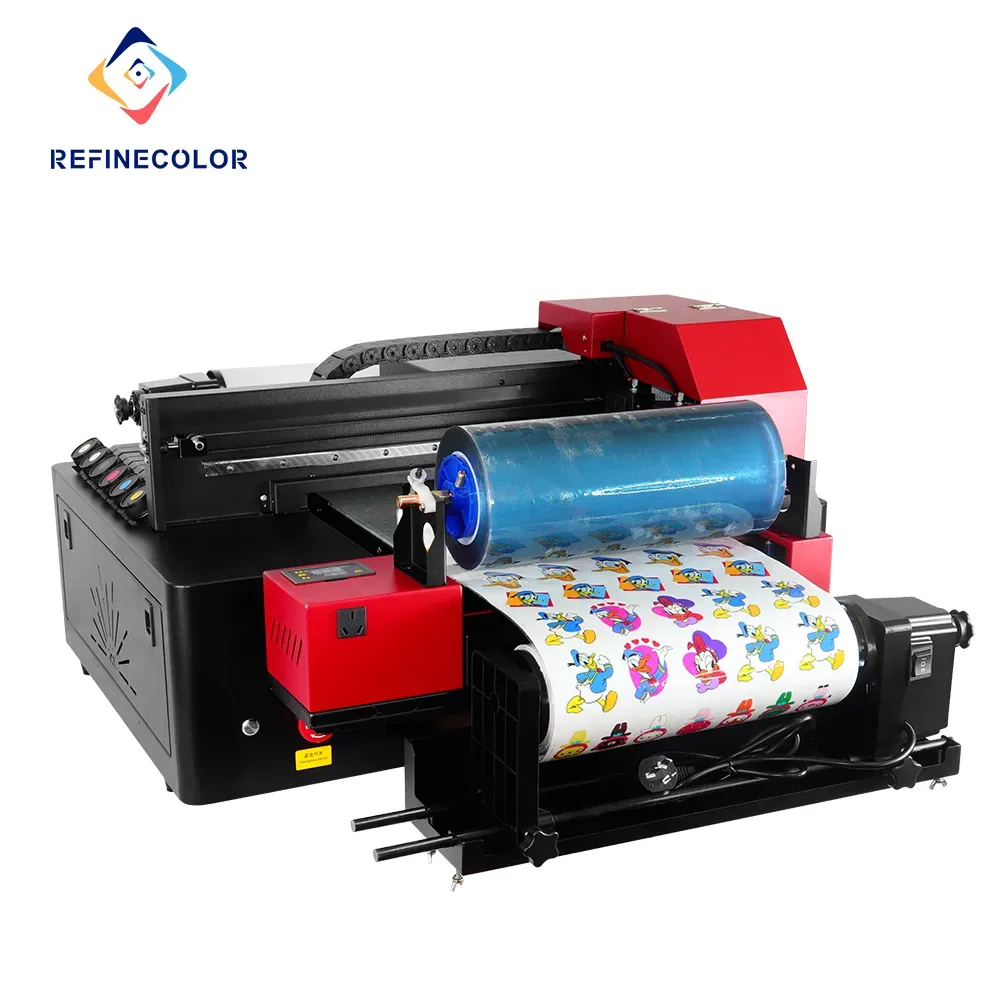
In the realm of textile printing technology, UV DTF (UV Direct to Film) is at the forefront of innovation, delivering exceptional quality and sustainability. As industries increasingly seek high-quality textile printing solutions, UV DTF emerges as a game-changer, allowing for vibrant prints that withstand the test of time. This technology harnesses the power of ultraviolet light to cure inks, ensuring immediate drying and remarkable durability, making it ideal for diverse applications. With the future of printing focusing on sustainable printing solutions, UV DTF presents a compelling option for businesses looking to minimize their environmental impact. As we venture into this exciting era, understanding the dynamics of UV DTF will be essential for those striving to stay competitive in the ever-evolving market.
UV Direct to Film printing, often referred to as UV DTF, is revolutionizing the textile printing landscape through its cutting-edge capabilities and efficiency. This advanced technique not only supports high-resolution prints across a variety of materials but also aligns with the increasing demand for eco-friendly printing methods within the industry. As businesses adopt new printing technologies like UV DTF, they are poised to meet customer expectations for both quality and sustainability, ushering in a new era for promotional items, fashion, and more. The integration of such textile printing technology stands to redefine market standards, driving growth and innovation across multiple sectors. With an eye on the future of printing, the potential of UV DTF is only just beginning to be realized.
Understanding UV DTF Technology
UV DTF (UV Direct to Film) technology represents a significant step forward in the textile printing sector. By leveraging ultraviolet light, this method allows inks to cure almost instantly upon application, which dramatically accelerates production processes. This capability has made UV DTF a preferred choice for businesses looking to enhance their operational efficiency while delivering high-quality textile prints. The ability to print on a wide range of materials—from soft fabrics to rigid surfaces—adds to its versatility, making it a game-changer in the industry.
The technology works by transferring images from a film directly onto the substrate, and the UV curing process ensures that each print is not only vibrant and detailed but also highly durable. Unlike traditional printing methods, which often need extensive drying times and can be hindered by environmental factors, UV DTF enables immediate usability of printed items. As businesses look to expand their offerings and meet consumer demand for customized products, the adaptability of UV DTF becomes an invaluable asset in the fast-paced world of textile printing.
Advantages of UV DTF Printing
One of the standout advantages of UV DTF printing is its unmatched speed and efficiency. Traditional textile printing methods can involve lengthy processes, including multiple drying phases that delay production and extend lead times. In contrast, UV DTF allows for instant ink curing, significantly reducing the overall turnaround time for orders. This is particularly beneficial for businesses that want to offer quick services and maintain a competitive edge in a rapidly evolving market. Additionally, this speed translates to increased productivity, enabling companies to handle larger volumes of work without sacrificing quality.
Moreover, the quality of prints produced by UV DTF technology is typically superior to those created using traditional methods. The unique curing process used for UV inks ensures that the colors remain vibrant and do not fade, peel, or crack over time. This superior quality is crucial for businesses focusing on high-end products where customer satisfaction hinges on the aesthetic appeal and longevity of prints. As more industries seek innovative ways to enhance product offerings, the rise of UV DTF printing as a high-quality textile printing solution is poised to redefine customer expectations.
The Impact of UV DTF on Market Growth
As we forecast the future of the textile printing industry, the impact of UV DTF technology on market growth cannot be overstated. Analysts predict a significant upward trajectory for the UV printing segment, with anticipated growth rates exceeding 10% annually. This surge can be attributed to several factors, including increased consumer demand for customized and high-quality prints, as well as businesses actively seeking modernization opportunities in their manufacturing processes. The adaptability of UV DTF in producing vibrant, durable prints across various materials positions it as a key player in future market trends.
Additionally, as companies strive to implement sustainable practices within their operations, the eco-friendly nature of UV DTF printing sets it apart in a competitive landscape. The use of UV inks, which contain fewer volatile organic compounds (VOCs) than traditional inks, aligns with the growing consumer expectation for environmental responsibility. Thus, businesses that adopt UV DTF technology not only enhance their production capabilities but also embrace a sustainable model that resonates positively with modern consumers, ultimately driving market growth and fostering brand loyalty.
Exploring Sustainability in Textile Printing
Sustainability is a critical consideration in today’s textile printing industry, and UV DTF technology aligns perfectly with these rising demands for eco-friendly practices. This printing method utilizes UV inks that release significantly fewer volatile organic compounds (VOCs) into the air compared to their solvent-based counterparts. This reduction in harmful emissions presents an attractive proposition for businesses aiming to lower their environmental impact and contribute to a greener economy. Adopting innovative printing technologies like UV DTF can help companies fulfill corporate responsibility goals while meeting consumer preferences for sustainable products.
Furthermore, the sustainability aspect of UV DTF goes beyond just the inks used; the technology's efficiency in production processes also plays a vital role. By significantly reducing drying times, businesses can conserve energy and resources, enhancing their overall sustainability profile. As the textile industry embraces these practices, those who integrate UV DTF technology will find themselves at the forefront of this green revolution, positioning their brands as leaders in the move toward more sustainable printing solutions.
Challenges Facing UV DTF Implementation
Despite the numerous advantages offered by UV DTF technology, there are notable challenges that businesses must navigate when considering its implementation. One significant hurdle is the initial investment required for advanced printing equipment and technology. For smaller businesses, the cost can be prohibitive, posing a barrier to entry and preventing them from enjoying the benefits of this innovative solution. This financial barrier can limit the market growth potential of UV DTF printing technology to larger, well-established companies.
In addition to the financial constraints, the operation of UV DTF technology often requires specialized training and technical know-how that may not be readily available within some businesses. Traditional printing techniques are often more familiar to operators, making the transition to UV DTF potentially daunting. Companies must be prepared to invest in training their staff to ensure they can fully exploit the capabilities of this technology. This learning curve can lead to operational challenges as businesses aim to incorporate UV DTF into their production lines successfully.
Future Outlook: The Evolution of Printing with UV DTF
Looking ahead, the future of textile printing appears promising with the advancement and adoption of UV DTF technology. As printing technologies evolve, there will likely be continuous enhancements that will further improve speed, quality, and sustainability. These innovations will help businesses remain competitive and responsive to the ever-changing demands of consumers, particularly in terms of customization and environmental consciousness. Companies that stay ahead of these trends will position themselves for sustained growth and success in an increasingly digital marketplace.
Moreover, as environmental standards become stricter and consumer preference shifts toward sustainable practices, the ease of integrating innovative and eco-friendly solutions like UV DTF will become paramount. Businesses that embrace this future will not only benefit from increased efficiency and superior print quality but will also resonate with a growing demographic of environmentally aware consumers. Consequently, taking proactive steps toward incorporating UV DTF technology into production processes can provide a competitive edge that will be invaluable in the years to come.
Frequently Asked Questions
What is UV DTF technology and how does it work in textile printing?
UV DTF, or UV Direct to Film printing, is a cutting-edge textile printing technology that utilizes ultraviolet light to cure inks onto various materials, including fabrics. This method allows for high-resolution and vibrant prints with immediate drying, offering enhanced durability against environmental factors. By curing inks instantly, UV DTF provides a practical solution for businesses aiming for long-lasting and high-quality textile printing.
What advantages does UV DTF printing offer over traditional textile printing methods?
UV DTF printing presents several key advantages over traditional methods, including greater speed and efficiency due to its instant ink curing process. This technology produces vibrant and durable prints that resist fading and wear, setting a new standard in high-quality textile printing. Additionally, UV DTF's versatility allows for printing on various surfaces beyond fabric, making it an ideal choice for businesses looking to expand their offerings.
How is UV DTF contributing to sustainable printing solutions?
UV DTF is viewed as a sustainable printing solution because it utilizes inks that contain fewer volatile organic compounds (VOCs) compared to conventional solvent-based inks. This characteristic aligns with the growing demand for environmentally friendly practices within the textile printing industry. As brands prioritize reducing their carbon footprints, UV DTF's eco-friendliness positions it as a favorable option for sustainable printing initiatives.
What industries are adopting UV DTF technology for textile printing?
UV DTF technology is being increasingly adopted across multiple industries, including fashion, home decor, and promotional merchandise. Major brands recognize the benefits of this high-quality textile printing method, which allows for rapid turnaround times and customization. Its versatility in applying prints to various surfaces is driving its popularity in the commercial printing sector.
What challenges do businesses face when switching to UV DTF printing technology?
While UV DTF printing offers numerous benefits, businesses face challenges such as high initial equipment costs that may deter smaller operations. Moreover, this technology requires skilled technicians familiar with its complexities, which can complicate the transition for companies used to traditional printing methods. Businesses should assess their readiness to handle these challenges before adopting UV DTF.
What does the future hold for UV DTF and high-quality textile printing?
The future for UV DTF and high-quality textile printing looks promising, with market growth projected to exceed 10% annually. This growth is fueled by advancements in printing technology and rising consumer demands for exceptional print quality. As industries continue to shift towards sustainability, UV DTF is poised to play a crucial role in the evolution of printing, allowing businesses to maintain competitiveness in a dynamic market.
| Aspect | Details |
|---|---|
| Introduction | UV DTF (Direct to Film) printing is an innovative technology reshaping the textile printing market. |
| What is UV DTF? | A high-resolution printing method using ultraviolet light for immediate drying and durability. |
| Industry Adoption | Rapid growth in commercial printing due to demand for high-quality, customizable solutions. |
| Benefits Over Traditional Methods | 1. Speed and Efficiency - Instant ink curing. 2. Quality and Durability - Superior colors and detail. 3. Versatility - Works on various surfaces. |
| Market Growth | Projected annual growth over 10% due to technological advancements and customer demand. |
| Sustainability Considerations | UV inks have lower VOCs, contributing to more eco-friendly manufacturing. |
| Challenges | High initial costs and the need for skilled technicians can be barriers to adoption. |
| Conclusion | UV DTF is shaping the future of textile printing with quality, speed, and sustainability. |
Summary
UV DTF is transforming the textile printing landscape by offering fast, durable, and high-quality printing solutions. This innovative technology provides businesses with the ability to create vibrant prints across a variety of materials, which enhances their product offerings and market appeal. As companies increasingly focus on sustainability, UV DTF stands out for its lower environmental impact, making it a preferable choice compared to traditional methods. Despite the initial challenges associated with adoption, the long-term benefits of efficiency and quality position UV DTF at the forefront of modern textile printing, suggesting a bright future for this revolutionary approach.