
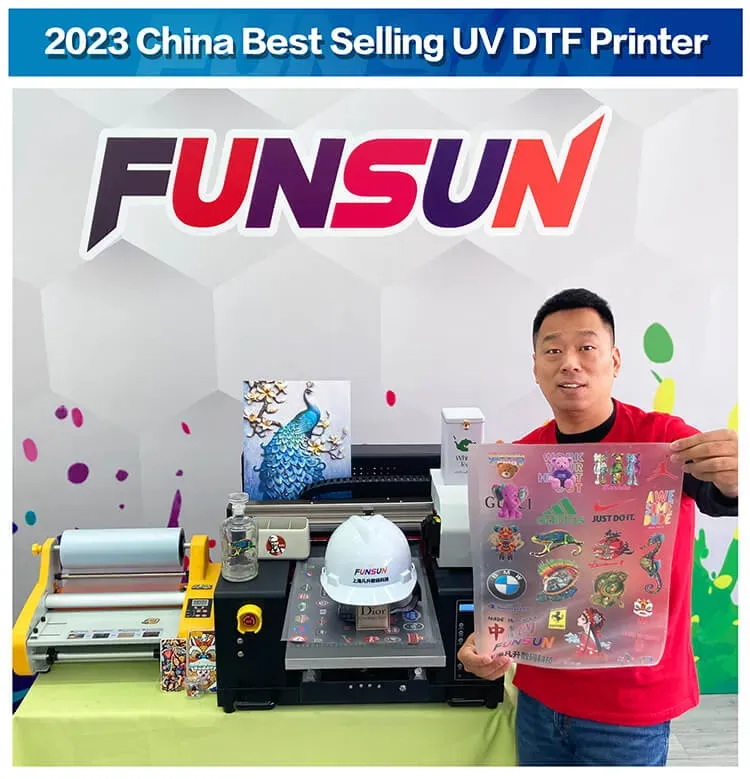
In the dynamic realm of printing innovations, UV DTF printing, which stands for UV Direct to Film, stands out as a cutting-edge solution for producing stunning images with exceptional durability. This technology utilizes a unique DTF printing process that allows for the seamless transfer of vibrant UV ink onto various materials, providing a level of detail and quality that traditional methods often struggle to achieve. The advantages of UV DTF printing include improved color accuracy, less ink wastage, and fast curing times, making it an attractive option for artists and businesses alike. Whether you’re interested in personalized gifts or durable promotional products, knowing how to use UV DTF technology can elevate your capabilities in the printing industry. As this guide unfolds, you'll discover the intricacies of UV ink printing and explore how this versatile approach can transform your creative projects.
Venturing into the sphere of advanced printing techniques, UV transfer printing has gained traction as a versatile method for applying intricate graphics onto diverse surfaces. Often referred to as direct film printing, this process employs ultraviolet curing technology to deliver exceptional results across various applications, ranging from custom apparel to promotional items. The unique attributes of UV transfer printing, including its ability to produce deep, vibrant colors while maintaining durability, position it as a game-changer for businesses and creatives. Understanding the fundamentals of this innovative printing method is essential for anyone looking to enhance their technical skills and expand their artistic repertoire. Join us in exploring the myriad benefits and applications associated with this pioneering technique, enabling you to harness its potential effectively.
Understanding the UV DTF Printing Technology
UV DTF printing, or ultraviolet direct to film printing, is a cutting-edge technology that utilizes UV ink to create high-resolution images on a special transfer film. This film is then used to transfer the printed designs to various substrates. The inks are cured instantly under UV light, which not only speeds up the process but also enhances the adhesion of the ink to the film. Unlike traditional printing methods, UV DTF printing offers a more vibrant color consistency and durable finish, making it a popular choice for a wide range of applications.
One of the remarkable features of UV DTF technology is its ability to print on diverse materials, including textiles, metal, plastics, and ceramics. This versatility opens up immense opportunities for artists and businesses alike to explore unique projects and products. Since the process does not require large quantities of substrates, it is ideal for customized printing jobs and low-volume production runs.
The Benefits of UV DTF Printing for Businesses
The advantages of using UV DTF printing in a business environment are significant. First and foremost, the technology supports vivid color reproduction and superior detail, ensuring that designs appear striking and professional. This capability is crucial for promotional products and customized gifts where visual impact is essential to attract consumers. Furthermore, UV DTF prints exhibit excellent durability characteristics, resisting fading from sunlight and wear from handling, which extends the lifespan of the printed items.
Additionally, UV DTF printing contributes to cost-efficiency in several ways. With reduced ink waste and quick curing times, businesses can achieve faster turnaround times for their projects. This is particularly beneficial in today's fast-paced market, where customers demand quick service without compromising quality. As a result, investing in UV DTF printing technology can lead to improved customer satisfaction and increase sales opportunities.
Exploring the UV DTF Printing Process
The UV DTF printing process consists of several succinct steps that contribute to its effectiveness. Initially, the special film is prepared with an adhesive layer that plays a crucial role in ensuring proper adhesion of the printed ink. Once the design is reverse printed onto the film using UV inks, the application of UV light is paramount. This light cures the ink nearly instantly, allowing for high-resolution output with minimal drying time.
Following the printing, the film undergoes a heat-press transfer process where the applied heat activates the adhesive, permanently bonding the ink to the desired substrate. This methodology not only enhances the overall print quality but also makes the entire production process efficient. Understanding each step helps businesses optimize their workflow and harness the full potential of UV DTF printing.
Common Applications of UV DTF Printing
UV DTF printing is revolutionizing various sectors with its wide range of applications. From creating personalized gifts such as bespoke mugs, keychains, and decorative items to enhancing promotional products like branded merchandise, the technology provides endless creative possibilities. Many businesses are now utilizing UV DTF printing to produce items that effectively represent their brand and resonate with their audience.
Moreover, in the fashion industry, UV DTF printing allows for the direct application of intricate designs onto fabrics, thereby elevating apparel offerings. Whether it's custom t-shirts, bags, or accessories, this printing technology provides designers with the flexibility to bring their visions to life with vivid colors and intricate details.
Advantages of UV DTF Over Traditional Printing Methods
One standout advantage of UV DTF printing is its practical application process compared to traditional printing methods. The direct application of UV inks to the transfer film eliminates many common challenges associated with conventional printing, such as registration errors and color bleeding, which often waste valuable resources. Furthermore, UV DTF prints offer enhanced durability, resisting wear and environmental conditions better than many alternative options.
Moreover, the eco-friendliness of this printing technology cannot be overlooked. Many UV inks used in the DTF process are low in volatile organic compounds (VOCs), making the printing process safer for operators and the environment. This sustainability aspect not only appeals to environmentally conscious consumers but also positions businesses favorably in a competitive market seeking greener practices.
Getting Started with UV DTF Printing: Tips for Beginners
For those new to UV DTF printing, beginning with high-quality equipment and materials is essential. Investing in a reliable UV DTF printer and selecting appropriate films and inks can dramatically influence the quality of the final products. Beginners should also consider experimenting with different settings and techniques to gain a clearer understanding of how to achieve the best results.
Additionally, seeking out tutorials, online courses, or mentorship from experienced professionals in the industry can significantly shorten the learning curve. By familiarizing themselves with the intricacies of the UV DTF process, beginners can quickly adapt and refine their printing techniques—setting themselves up for success in the competitive printing landscape.
Frequently Asked Questions
What is the UV DTF printing process and how does it work?
The UV DTF printing process involves printing UV ink onto a special adhesive-coated transfer film. The design is printed in reverse, cured instantly with UV light, then heat-pressed onto various substrates. This method ensures high-quality, durable prints on materials such as fabric, plastic, and ceramics.
What are the advantages of UV DTF printing compared to traditional printing methods?
The advantages of UV DTF printing include vivid color reproduction, durability against fading, and less ink wastage. Additionally, UV DTF allows for quick curing times, which results in faster production and shorter turnaround times, making it ideal for businesses with tight deadlines.
How do you use UV DTF printing for creating personalized gifts?
To use UV DTF printing for personalized gifts, first, design your artwork and print it onto a transfer film using UV ink. Once printed, cure the ink with UV light, then heat press the film onto your chosen substrate, like mugs or photo frames. This method produces unique, vibrant gifts tailored to personal preferences.
What types of materials can UV DTF printing be applied to?
UV DTF printing can be applied to a wide range of materials, including fabric, plastics, metal, and ceramics. This versatility makes UV DTF an excellent choice for various applications, from apparel to promotional products and home decor.
Are there eco-friendly options available in UV DTF printing?
Yes, many UV inks used in UV DTF printing are low in volatile organic compounds (VOCs), making them a more eco-friendly choice. Users can enjoy a safer printing process that minimizes environmental impact while still achieving high-quality prints.
What are the initial setup costs for starting a UV DTF printing business?
The initial setup costs for a UV DTF printing business can be significant, as it includes purchasing UV DTF printers, transfer films, and UV inks. Beginners should carefully evaluate their budget and consider potential training or resources to optimize their operations for better efficiency.
| Aspect | Details |
|---|---|
| Introduction | Overview of UV DTF as a revolutionary printing method. |
| What is UV DTF Printing? | A process using UV ink on transfer film, applied to various substrates. |
| Key Features | Material compatibility, durability, and eco-friendly options. |
| The UV DTF Printing Process | Steps: Film preparation, printing, curing, transfer. |
| Advantages | Vivid colors, less waste, and quick turnaround. |
| Considerations | Initial setup cost and learning curve for beginners. |
| Applications | Personalized gifts, promotional products, fashion and apparel. |
| Conclusion | A summary of UV DTF printing's significance and future potential. |
Summary
UV DTF printing represents a transformative technology in the printing industry, revolutionizing how graphics are transferred onto various substrates. This innovative method combines the benefits of UV printing with the flexibility of direct film application, resulting in stunning, durable prints that can withstand a multitude of conditions. Ideal for artists, small business owners, and creative enthusiasts, UV DTF printing opens doors to endless possibilities for customization and quality. As you explore this exciting method, you'll discover its versatility in creating personalized gifts, promotional items, and unique fashion pieces. Embracing UV DTF printing today can elevate your creative projects and business offerings to new heights!