
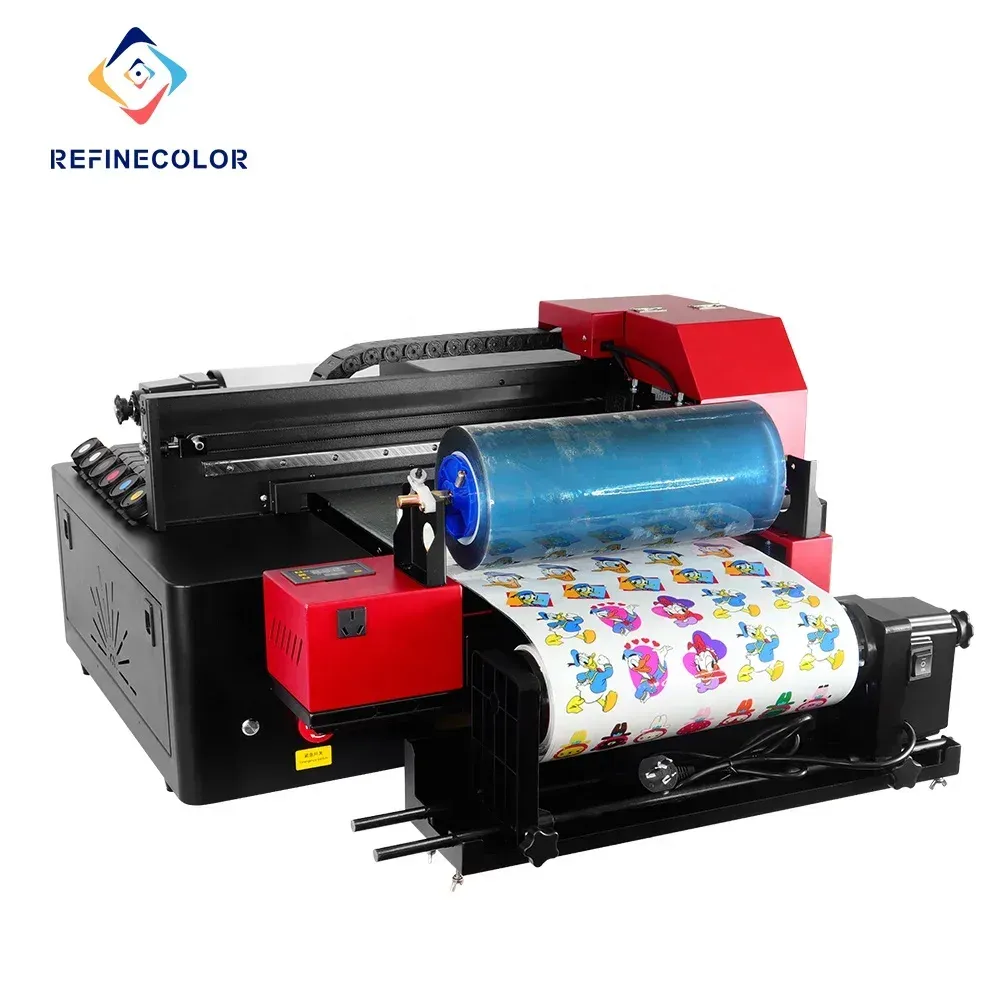
In today's dynamic printing landscape, **UV DTF** (Direct to Film) technology stands out as a groundbreaking solution that merges versatility with vibrancy. This innovative printing method leverages UV printing techniques to create stunning, high-quality prints on a multitude of surfaces, capturing the attention of businesses and consumers alike. With its rapid drying capabilities and exceptional color fidelity, UV DTF printing is quickly becoming a favorite for those looking for eye-catching promotional materials and products. Moreover, its eco-friendly attributes are a significant draw, making it a responsible choice in an increasingly environmentally conscious market. In this article, we will delve into the transformative capabilities of UV DTF, exploring the reasons behind its rising popularity and diverse applications in various industries.
UV DTF printing, also known as Direct to Film printing, represents a pioneering advancement in modern printing technology. By harnessing the precision of ultraviolet inks and their ability to adhere to different materials, this printing style offers a wide array of applications, from textiles to promotional products. It allows for the creation of vibrant prints that captivate and engage, making it an ideal choice for businesses aiming to stand out in a crowded marketplace. Furthermore, as a sustainable printing option, it aligns with contemporary values of eco-friendly practices, providing a solution that meets both aesthetic and environmental standards. The continued evolution of UV DTF technology promises to redefine printing capabilities, leading to exciting opportunities in various sectors.
Understanding the Mechanisms of UV DTF Printing
UV DTF (Direct to Film) printing technology merges the advantages of UV printing with traditional Direct to Film methods, creating a new standard for high-quality prints. This printing process involves applying UV-cured inks onto a film, which are then transferred onto various substrates. The inks are cured instantly by ultraviolet light, allowing for a remarkable level of color vibrancy and intricate detail in the finished product.
The technology is particularly appealing for those who demand not just aesthetics but also durability from their printed materials. The fast-drying nature of UV inks means that prints can be handled almost immediately after application, reducing wait times and increasing productivity. Moreover, this method is less prone to smudging, a common issue with other printing techniques, making it a preferred choice for businesses that value precision and quality.
The Vibrant Prints Produced by UV DTF
One of the standout features of UV DTF printing is its ability to produce vibrant prints that are visually striking and attention-grabbing. This is largely due to the unique formulation of UV inks that amplify colors and allow for more detailed designs. When compared to traditional printing methods, UV DTF outshines in producing richer hues, contrast, and overall visual impact.
Moreover, the flexibility in substrate compatibility means that businesses can print on a vast array of materials—from textile and plastic to metal and glass—while still maintaining the vibrancy of their prints. This versatility opens up new avenues for creativity in product design, allowing brands to experiment with bold graphics and colors that resonate with their target audience.
Exploring the Eco-Friendly Aspects of UV DTF
In an age where sustainability is a key concern for consumers and businesses alike, UV DTF printing offers a more environmentally friendly alternative to traditional printing technologies. The inks used in UV DTF printing typically produce lower levels of volatile organic compounds (VOCs), making them safer for both the environment and human health during production.
Additionally, since UV inks cure instantly, there is less energy consumption involved compared to processes that require drying time, which can also contribute positively to a company’s carbon footprint. Organizations that adopt UV DTF printing are not only able to deliver high-quality products but also position themselves as eco-conscious leaders within their industries.
Advantages of Using UV DTF for Custom Applications
UV DTF printing stands out in the realm of customization, providing businesses with the tools needed to create personalized products that appeal to individual preferences. This technology allows for the replication of custom designs with high fidelity, ensuring that each item produced meets the specific requirements of the client.
This level of customization is crucial in industries like apparel and promotional products, where customers increasingly seek unique creations that reflect their identities. As UV DTF technology continues to evolve, it opens up endless possibilities for brands looking to differentiate themselves from the competition through creative and tailored offerings.
Market Trends Shaping UV DTF Technologies
The UV DTF printing market is rapidly growing as businesses recognize the advantages it offers in terms of quality, versatility, and environmental impact. Recent trends reveal a significant push towards personalization, where brands of all sizes aim to meet consumer demand for unique, custom products. UV DTF technology is at the forefront of this shift, providing the necessary tools and capabilities to deliver exceptional results.
Furthermore, the shift towards sustainable printing methods is reshaping market dynamics. As businesses prioritize eco-friendly practices, UV DTF's reduced environmental impact makes it an appealing choice. The demand for sustainable options will likely continue to grow, driving further innovation and adoption of UV DTF printing in various sectors.
Future Outlook of UV DTF in the Printing Industry
Looking forward, UV DTF printing technology is expected to play a significant role in the ongoing evolution of the printing industry. With continuous advancements in ink formulations and curing processes, we can anticipate enhancements in print quality, speed, and substrate adaptability. These improvements are essential for meeting the rising demands of modern consumers for both quality and efficiency.
In addition to technical advancements, the understanding and emphasis on sustainability will shape the future landscape of UV DTF. Companies that leverage this technology will not only cater to consumer preferences for eco-friendliness but will also likely benefit from an improved public image, setting themselves apart in a competitive market.
Frequently Asked Questions
What is UV DTF printing technology and how does it work?
UV DTF printing, or Direct to Film printing, combines advanced UV printing features with traditional methods. It uses UV-cured inks that dry instantly under UV light, producing vibrant prints with exceptional detail and durability on various materials.
What makes UV DTF prints more vibrant compared to other printing methods?
UV DTF printing achieves unparalleled vibrancy through its unique UV curing process, which enhances color saturation and clarity. This method allows for intricate designs and sharp details, making it an excellent choice for textiles and promotional materials.
Is UV DTF printing eco-friendly?
Yes, many UV inks used in UV DTF printing are designed to be environmentally friendly, boasting lower VOC emissions compared to traditional solvent-based inks. This makes UV DTF a sustainable choice for businesses seeking to reduce their environmental impact.
Can UV DTF printing be used on various materials?
Absolutely! One of the key benefits of UV DTF printing is its versatility. It can be applied to a wide range of substrates, including textiles, plastics, metals, and glass, allowing for creative applications across multiple industries.
What types of applications benefit most from UV DTF printing?
UV DTF printing is highly beneficial in the textile industry for custom garments, in interior decor for personalized designs, and in product packaging for durable labels. Its versatility and quality make it suitable for various applications.
What are the recent advancements in UV DTF technology?
Recent advancements in UV DTF technology include improved ink formulations for better adhesion, faster curing processes for enhanced productivity, and upgraded printers that offer greater precision and efficiency, ensuring high-quality outputs.
| Feature | Description |
|---|---|
| What is UV DTF? | A method combining UV printing with Direct to Film, using UV-cured inks for vibrant, detailed prints. |
| Key Benefits | 1. **Vibrancy and Detail:** Produces vivid colors and sharp details for textiles and promotional materials. 2. **Versatility Across Materials:** Works on textiles, plastics, metals, and glass. 3. **Durability:** Prints resist fading and scratching, ideal for lasting products. 4. **Eco-Friendly:** UV inks have reduced VOC emissions compared to solvent-based inks. |
| Recent Developments | 1. **Ink Formulations:** New inks improve adhesion. 2. **Curing Processes:** Faster production speeds developed. 3. **Printer Upgrades:** Enhanced capabilities for precision and efficiency. |
| Applications | 1. **Textiles:** Custom clothing and unique patterns. 2. **Interior Decor:** Prints on rugs and curtains. 3. **Product Labels:** Durable, appealing labels for packaging. |
| Market Trends | 1. **Customization is Key:** Demand for personalized products grows. 2. **Sustainable Practices:** Eco-friendly solutions sought after. 3. **Technological Advancements:** Improvements in printing speed and substrate compatibility. |
Summary
UV DTF (Direct to Film) printing technology offers a compelling solution for vibrant and high-quality printing needs in today's market. Its ability to create stunning prints across various materials, combined with durability and eco-friendly practices, positions UV DTF as a leading choice for businesses seeking to enhance product appeal while meeting environmental considerations. As technology continues to evolve, this innovative printing method not only meets current demands but also sets the stage for future advancements in the industry.